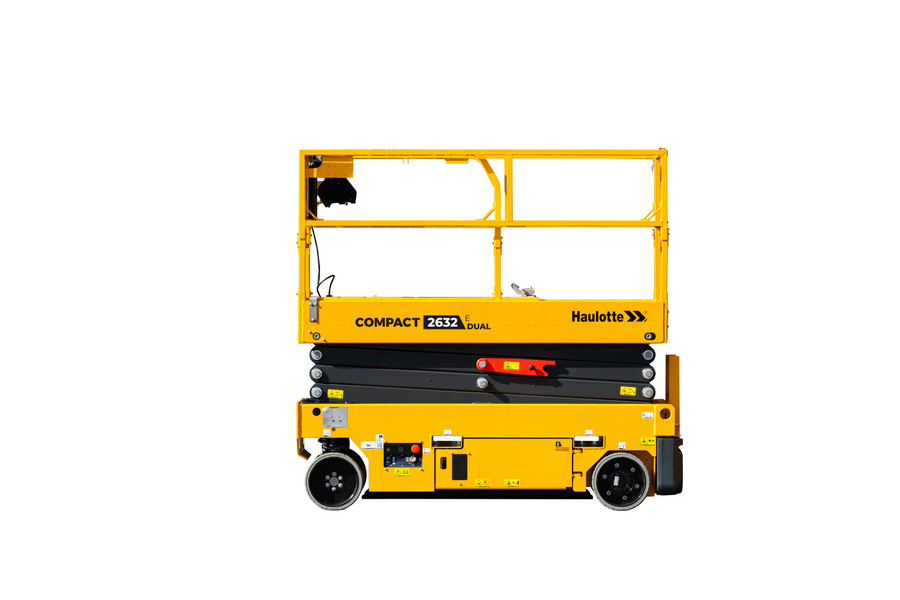
Equipment buying & work planning
Work Platform Business Case: Estimate Utilization and Ownership Cost
A platform business case should use measured workload rather than a blanket claim that ownership always saves money. Compare the same tasks and planning period.
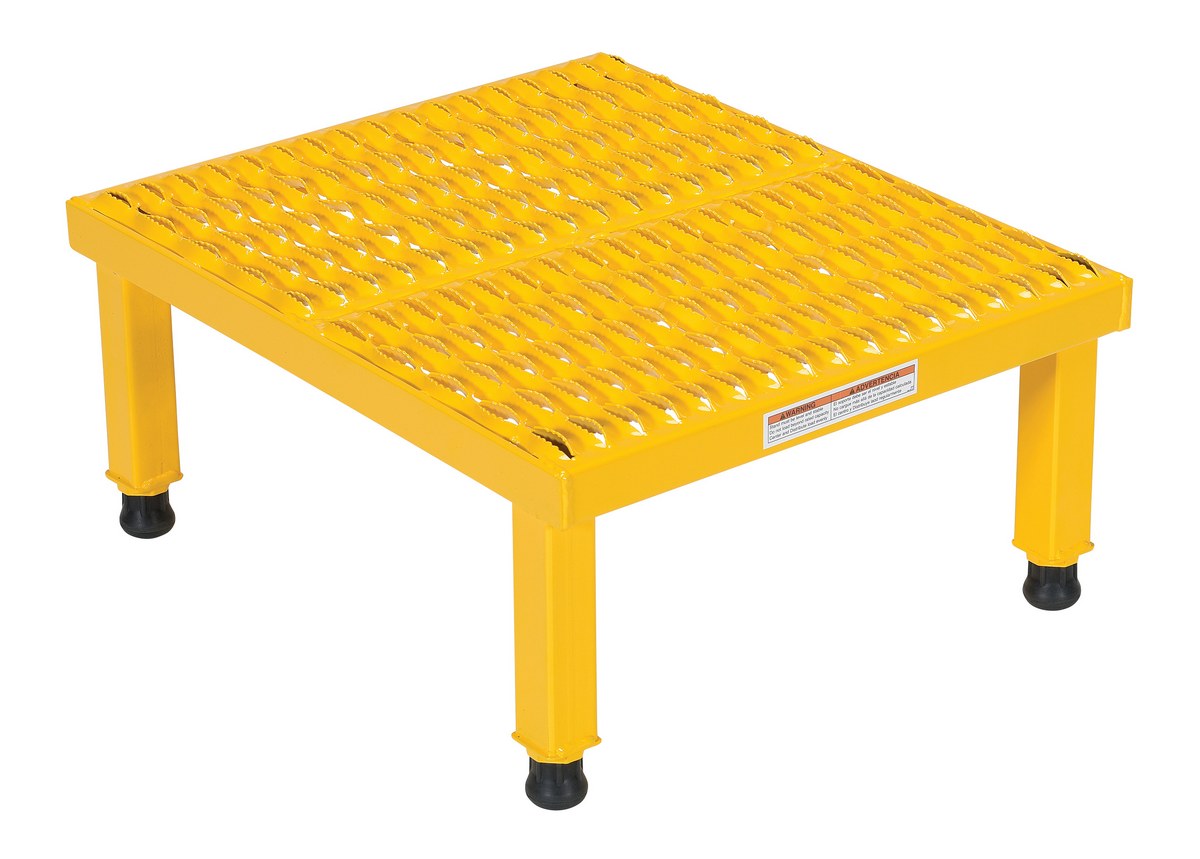
Estimate use from the work the platform can cover
A work-platform business case should start with suitable task coverage. List recurring jobs, seasonal work, locations and scheduling conflicts. Separate productive use from time the equipment is simply available. A payback estimate based on full utilization can be misleading when access, staffing or demand limits how often the platform is actually used.
Include setup, adjustment, movement and return to storage in the observed workload. Compare normal work with demanding exceptions that may need another method. A platform with a broad advertised range does not automatically support every interface, load or working position assumed in the utilization forecast.
Test complete ownership and alternative scenarios
Include acquisition, installation where applicable, storage, energy, inspection, service and operator preparation. Compare rental or another access arrangement using equivalent work and supporting resources. Keep supplier figures separate from site estimates and avoid counting the same cycle-time or waiting benefit twice.
Test lower use, changing tasks and uncertain maintenance assumptions before approving the investment. Treat resale value as an assumption rather than an automatic credit. Retain the measured baseline and requirements with the quotation so management can understand what supports the purchase and what could change the ownership decision.
| Input | Record | Check |
|---|---|---|
| Coverage | Supported tasks and exceptions. | The proposed equipment can actually perform the work. |
| Use | Frequency, duration and competing demand. | Expected use is not theoretical availability. |
| Costs | Complete scope and internal resources. | Equivalent periods and responsibilities. |
| Benefits | Distinct observed changes and uncertainty. | No double counting or guaranteed estimates. |
Review checklist
- Representative annual workload
- Ownership support costs
- Equivalent rental scenario
Buyer questions
What if the payback only works at full utilization?
Review a more conservative scenario and identify the assumptions driving the result. Actual demand, setup, conflicts and downtime can reduce useful use. A case that depends on ideal conditions should not be presented as a dependable saving without showing that sensitivity to the decision owner.
Should future resale value be included automatically?
Use a supported estimate where relevant and keep uncertainty visible. Do not rely on an unverified future amount to justify the purchase. Compare the decision with and without sensitive assumptions so the business case remains understandable if markets, condition or task needs change.