Blog
Compare access and handling equipment, prepare site measurements, and identify the questions to resolve before requesting a quote.
Featured guides & checklists
Checklists and comparisons to help you prepare a clearer equipment specification.
Equipment Selection Guide (Industrial Man Lifts)
A step-by-step process to choose the right equipment category based on height, reach, capacity, environment, and workflow.
Industrial Lift Cost Guide
Cost drivers, rental vs. purchase considerations, and what details affect pricing for industrial man lifts.
Industrial Lift Safety Checklist
Pre-use and jobsite safety checklist you can reference before operating industrial access equipment.
Maintenance Checklist for Industrial Man Lifts
A maintenance schedule and inspection checklist to support uptime, safety, and consistent documentation.

Updated Oct 25, 2026
Maintenance Platform Checklist: Gates, Guardrails and Task Fit
A platform's access opening and working edge deserve as much attention as its height. Review how a technician enters, works and exits beside the actual equipment.
Read guide →

Updated Oct 25, 2026
Order Picking: Choosing Ladders, Platforms or Vertical Lifts
Start with what the picker carries and how often the location is visited. Height alone cannot tell you whether a ladder or powered platform suits a picking task.
Read guide →
Updated Oct 25, 2026
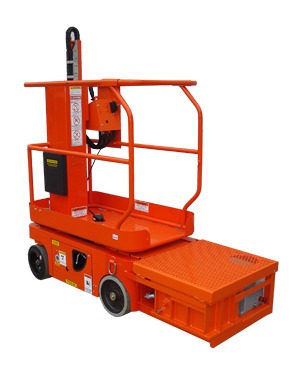
Vertical Mast Lift vs. Scissor Lift for Warehouse Work
Compare the work envelope before comparing lift names. A narrow mast lift and a scissor lift can reach similar tasks while needing different floor space.
Read guide →
Updated Oct 25, 2026
Rolling Ladder Buying Checklist: Height, Footprint and Access
A rolling ladder must fit both the task and the route to it. Specify the standing platform height separately from the highest point someone needs to reach.
Read guide →
Updated Oct 25, 2026
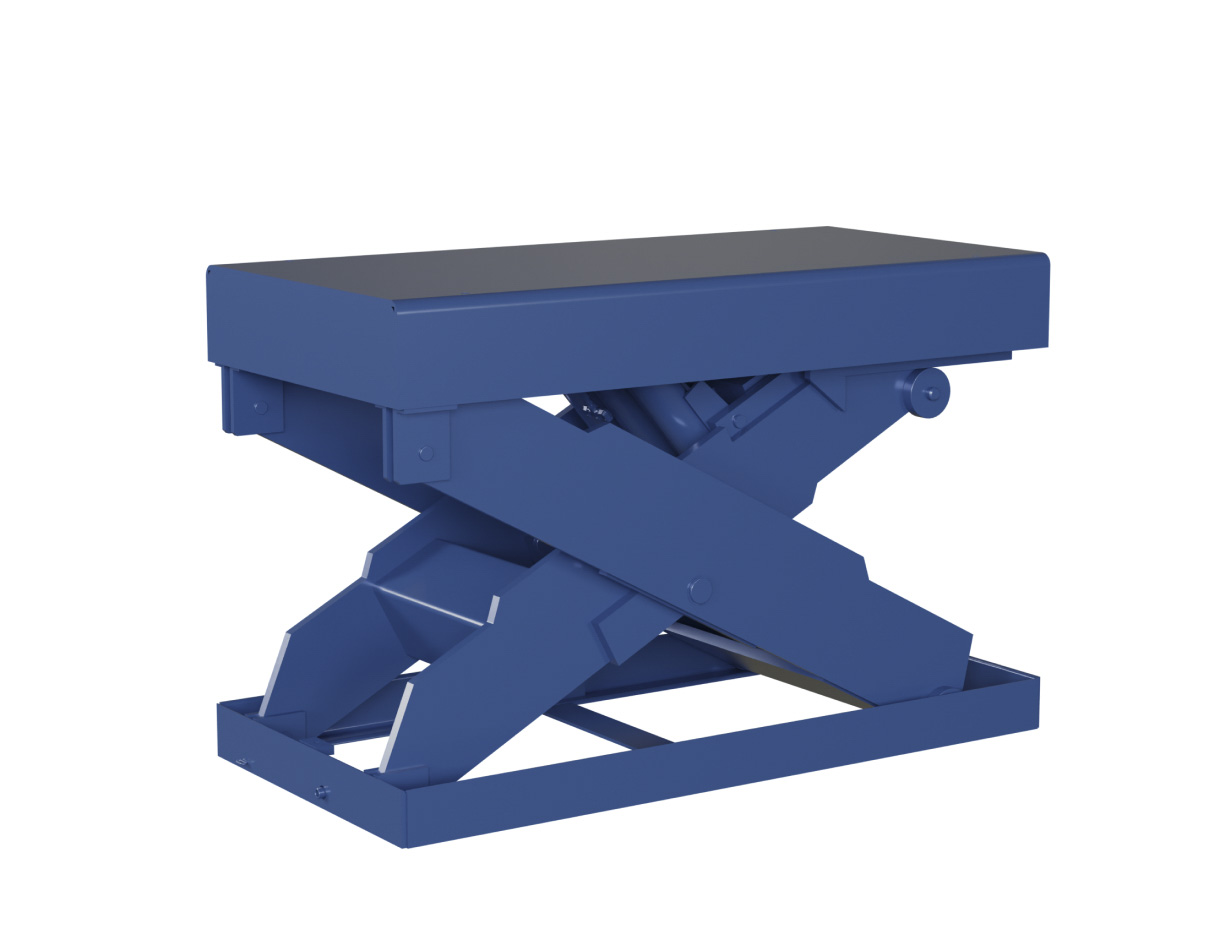
Pneumatic Lift Tables in Cleanrooms: Benefits and Limits
Pneumatic actuation can suit some controlled processes, but it does not make a lift table sterile, spark-free or universally suitable. Review the complete design and air supply.
Read guide →
Updated Oct 25, 2026
Cleanroom Lift Tables: Five Industry Requirements to Compare
Pharmaceutical, biotechnology, food, electronics and medical-device operations can require very different material handling arrangements. A cleanroom label does not establish suitability for all five.
Read guide →
Updated Oct 25, 2026
Cleanroom Lift Tables: FDA and GMP Claims to Question
A lift table does not become FDA approved simply because it is stainless steel or marketed for cleanrooms. Evaluate equipment against the facility's process and quality requirements.
Read guide →
Updated Oct 25, 2026
Cleanroom Lift Table Buying: Turn Room Requirements into a Specification
Start with the controlled process, not a generic cleanroom product label. The table must suit the load, movement and cleaning regime used at the facility.
Read guide →
Updated Oct 25, 2026
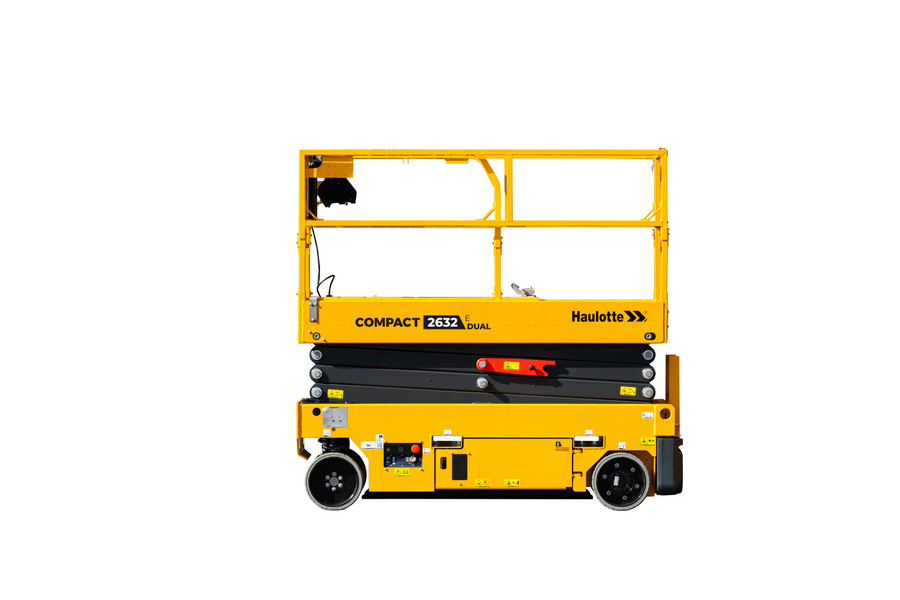
Access Equipment for Energy Facilities: Start with Site Conditions
Energy facilities can combine height, restricted access and hazardous operating areas. A general industrial lift should not be assumed suitable for every location.
Read guide →

Updated Oct 25, 2026
Specialized Industrial Supplies: Write Application-Based Requirements
Specialized procurement works best when the request states why a standard item does not fit. Avoid substituting a broad industry label for measurable requirements.
Read guide →
Updated Oct 25, 2026
Scissor Lift Tables: Load Geometry Matters as Much as Capacity
A material lift table raises goods to a useful working or transfer height. Select it using load distribution and the complete lifting range, not just nominal capacity.
Read guide →
Updated Oct 25, 2026
Hydraulic vs. Electric Scissor Lifts: Avoid a False Comparison
Electric and hydraulic do not always describe competing lift types. An electrically powered machine may use a hydraulic lifting system, so clarify what each specification means.
Read guide →
Updated Oct 25, 2026
Lift Table Environmental Impact: Compare the Full Service Life
A lift table's environmental impact cannot be judged from the drive type alone. Consider expected use, service life, maintenance and end-of-life handling.
Read guide →
Updated Oct 25, 2026
Scissor Lift Tables and Safety: Review the Complete Workstation
A lift table may improve load positioning while introducing pinch points and transfer hazards. Assess the table as part of the workstation.
Read guide →
Updated Oct 25, 2026
Aerial Lift Safety for Construction: Ten Planning Questions
Construction sites change as work progresses. A lift plan should be reviewed against the current location rather than reused without checking.
Read guide →
Updated Oct 25, 2026
Aerial Lift Compliance: Documentation and Site Responsibilities
Buying a lift does not complete an employer's compliance responsibilities. Equipment selection, training, inspection and the worksite all need review.
Read guide →
Updated Oct 25, 2026
Oil and Gas Access Equipment: Specify the Operating Environment
Oil and gas work can involve restricted areas, changing site conditions and special environmental requirements. Select access equipment through the facility's task and hazard review.
Read guide →
Updated Oct 25, 2026
Scissor Lifts in Cold Weather: Review the Model's Limits
Cold weather affects the worksite and can affect batteries, fluids and traction. Use the manufacturer's permitted conditions to decide whether the lift is suitable for the planned work.
Read guide →
Updated Oct 25, 2026
Warehouse Operations: Eleven Checks for a Practical Improvement Plan
An operations review should produce measurable actions, not a list of broad promises. Walk a complete order from receiving through dispatch and note where the process stops.
Read guide →
Updated Oct 25, 2026
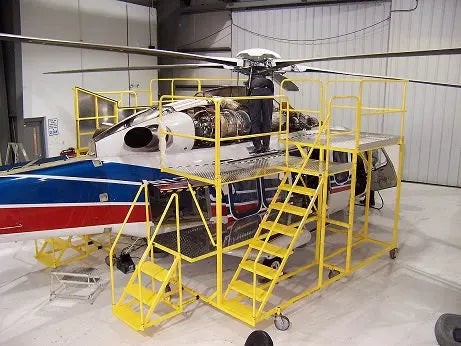
Aircraft Maintenance Stairs: Compare Fit Across the Fleet
Maintenance stairs need to match aircraft interfaces and the intended task. A fleet-wide purchase should check each variant rather than assuming one height range covers all aircraft.
Read guide →
Updated Oct 25, 2026
If a Man Lift Stops: Prepare the Emergency Plan Before Use
A stopped elevated platform needs a planned response. The operator and ground team should know the model-specific emergency controls and communication process before starting work.
Read guide →
Updated Oct 25, 2026
Aerospace Manufacturing: Build Equipment Lists from the Process
Aerospace production equipment needs vary by part, process and quality system. Start with the work sequence rather than a generic list of factory essentials.
Read guide →
Updated Oct 25, 2026
Fall Protection Planning: Identify the Exposure Before the Equipment
Fall protection should address the work location, access route and task. A harness or guardrail is part of a system, not a standalone guarantee.
Read guide →
Updated Oct 25, 2026
Aircraft Technician Safety: Coordinate Access and Maintenance Work
Technician access should be planned with the maintenance task and other activity around the aircraft. Ground equipment can obstruct work or create contact risks if positioned independently.
Read guide →
Updated Oct 25, 2026
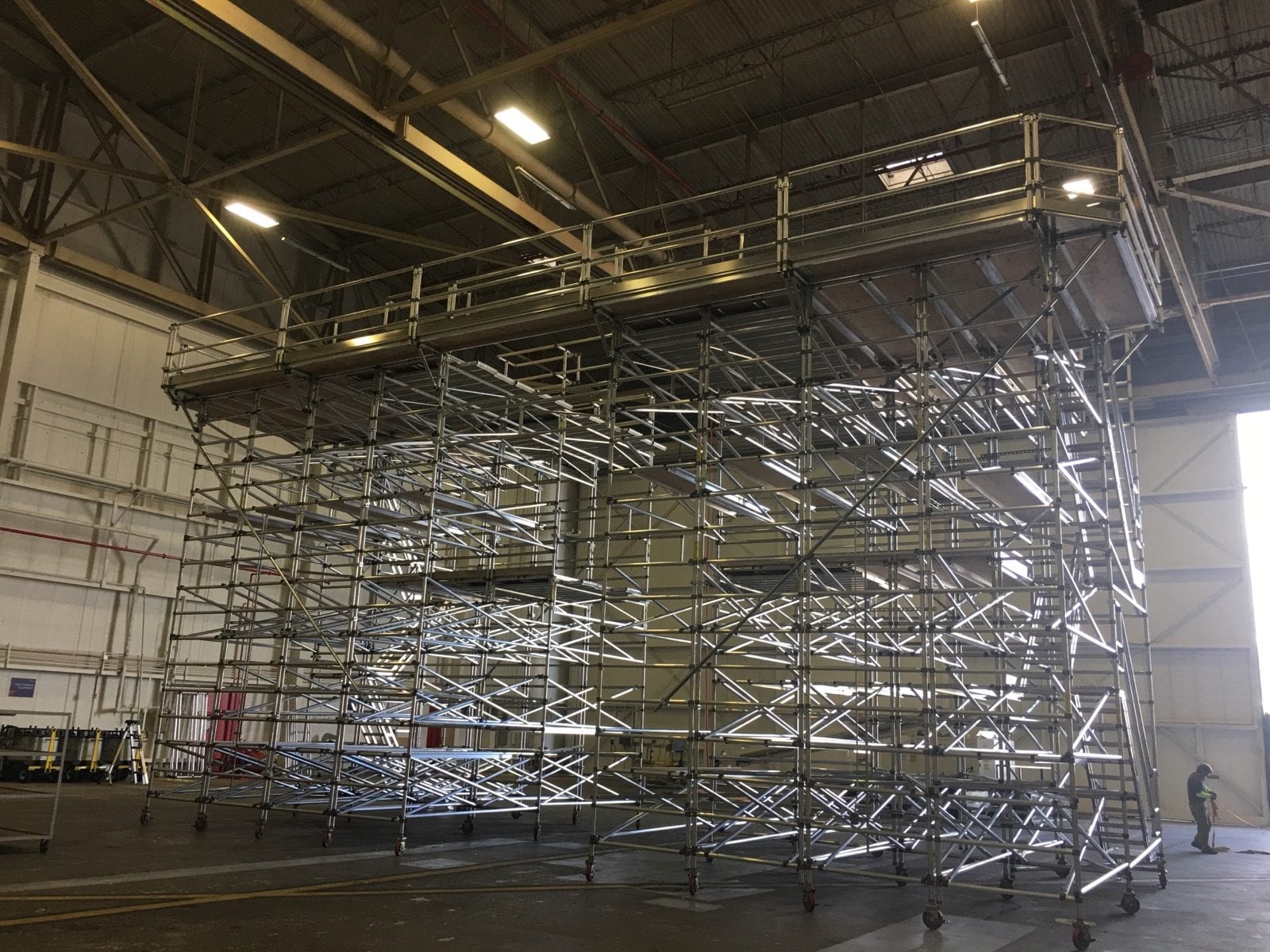
Aircraft Maintenance Platforms: Review Access, Gaps and Movement
Aircraft platforms should be assessed beside the aircraft in its maintenance configuration. A platform that fits a parked aircraft may not fit when panels, doors or controls move.
Read guide →

Updated Oct 25, 2026
Industrial Stairs and OSHA: Review the Actual Installation
A stairway's suitability depends on its use, geometry and installation. Avoid a blanket statement that any product meets all safety requirements.
Read guide →
Updated Oct 25, 2026
Archived COVID-19 Company Update
This is a historical company notice from the COVID-19 period. Contact Industrial Man Lifts for current assistance.
Read guide →
Updated Oct 25, 2026
Equipment Buying Groups: Evaluate Savings Beyond the Discount
A buying consortium can coordinate demand, but the advertised discount is only one part of the decision. Compare the same equipment specification and service obligations.
Read guide →

Updated Oct 25, 2026
Drum Handling Equipment Types: Match Each Stage of the Job
Different drum handling devices support transport, lifting, stacking or dispensing. One approved function should not be assumed to cover the rest.
Read guide →
Updated Oct 25, 2026
Warehouse Hazards: A Walkthrough Organized by Work Area
A warehouse hazard review is more useful when tied to locations and tasks. Walk the building during representative activity and record specific conditions.
Read guide →
Updated Oct 25, 2026
Daily Workplace Safety: Turn Observations into Corrective Actions
A daily safety review should identify changing conditions and assign action. Repeating broad reminders is less useful than resolving a specific blocked route or damaged device.
Read guide →

Updated Oct 25, 2026
Pallet Rack Safety: Loads, Configuration and Damage Reporting
Pallet rack capacity depends on its approved configuration and installation. Treat changes to beams, levels or stored loads as changes requiring review.
Read guide →
Updated Oct 25, 2026
Ladder Safety Rules: Selection, Inspection and Placement
Useful ladder rules connect the equipment to the task. A ladder in good condition can still be inappropriate for the work or location.
Read guide →
Updated Oct 25, 2026
Warehouse Racking Layout: Plan Storage and Retrieval Together
A rack layout must support the goods and the handling method. More pallet positions are not useful if trucks cannot approach or loads cannot be placed as intended.
Read guide →
Updated Oct 25, 2026
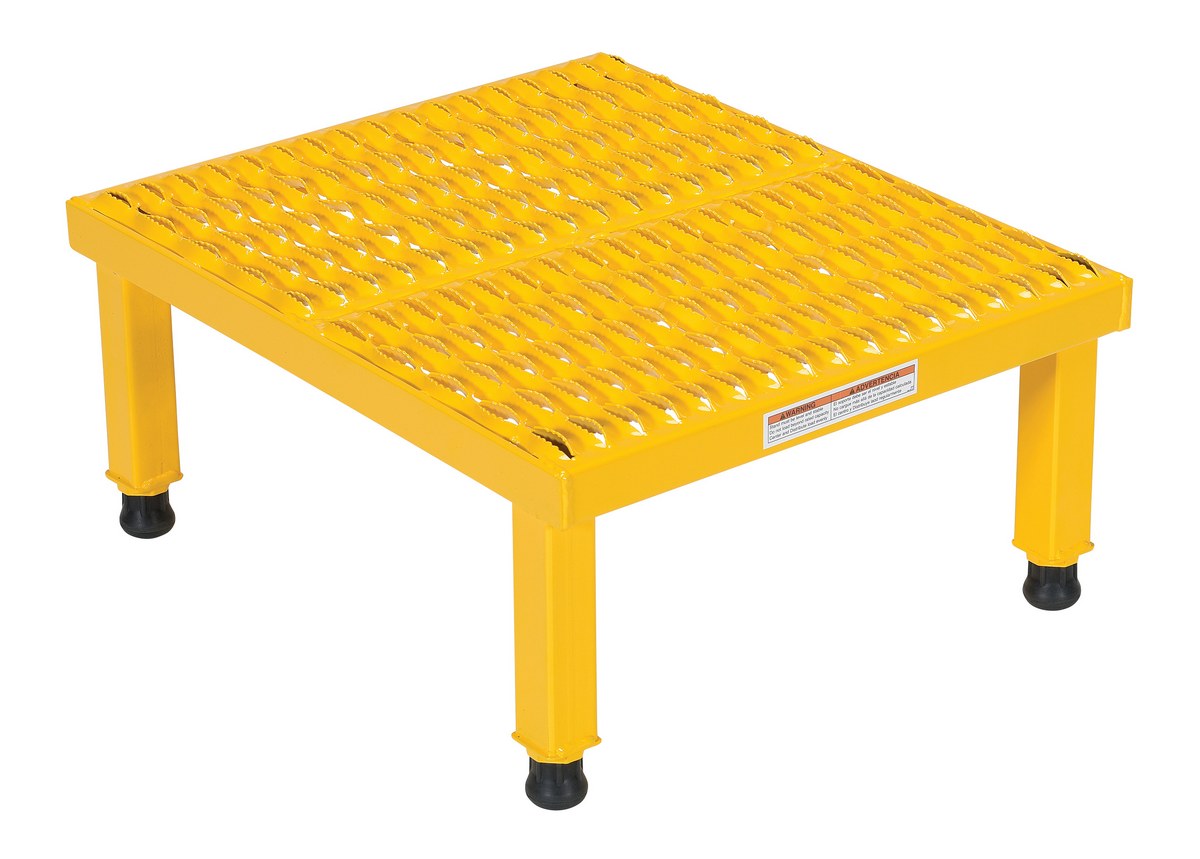
Portable Work Platforms: Verify Portability and Task Fit
Portable can describe equipment that moves by hand, on wheels or with handling equipment. Ask how the actual platform is transported and secured.
Read guide →
Updated Oct 25, 2026
Work Platforms: Safe Use Begins with the Approved Configuration
A work platform should be used within its intended configuration, load and environment. Review the equipment instructions alongside the actual task.
Read guide →
Updated Oct 25, 2026
Aircraft Maintenance Stands: A Buyer's Fit Review
A maintenance stand should support a defined task on identified aircraft. Begin with the aircraft variant and service configuration, then evaluate the platform rather than buying by nominal height.
Read guide →

Updated Oct 25, 2026
Aluminum vs. Steel Yard Ramps: Compare Complete Designs
Aluminum and steel ramps can differ in weight, finish and maintenance needs. Neither material is inherently the safest choice for every loading operation.
Read guide →

Updated Oct 25, 2026
Buying a Forklift: Capacity, Load Center and Site Fit
Forklift selection depends on the actual load and lift position. A headline capacity does not describe every attachment, height or load-center combination.
Read guide →
Updated Oct 25, 2026
Warehouse Optimization: Follow One Order Through the Building
A short warehouse review can reveal useful changes when it follows real work. Choose a representative order and record every movement and wait.
Read guide →
Updated Oct 25, 2026
Aircraft MELs: Separate Flight Decisions from Ground Equipment
A minimum equipment list concerns operation with specified inoperative aircraft equipment under an approved framework. It is not a general maintenance checklist or authorization to ignore defects.
Read guide →
Updated Oct 25, 2026
Commercial Ladder Buying Guide: Translate the Task into Dimensions
A commercial ladder needs to suit the working position and environment. Start with the task rather than assuming a stronger-looking ladder is the right choice.
Read guide →
Updated Oct 25, 2026
Buying Lifts: Separate Personnel Access from Material Handling
The first purchasing decision is what the lift must carry and accomplish. Personnel platforms and material lifts have different intended uses.
Read guide →
Updated Oct 25, 2026
Ladder Purchasing: A Shortlist Based on Access Needs
A useful ladder shortlist records why each configuration fits the task. Height, capacity and footprint should be explicit rather than implied by the product name.
Read guide →

Updated Oct 25, 2026
Helicopter Maintenance: Planning Ground Access Around the Task
Helicopter maintenance follows aircraft-specific instructions and qualified maintenance procedures. Ground access equipment should support those procedures without obstructing the aircraft or personnel.
Read guide →
Updated Oct 25, 2026
Industrial Lift Truck Risk: Review People, Loads and Routes
Lift truck risk is shaped by the load, vehicle and surroundings. A site review should examine their interactions rather than focusing only on operator behavior.
Read guide →

Updated Oct 25, 2026
Crane Lift Planning: Seven Questions Before the Lift
A crane lift needs a defined load, route and rated configuration. A short list of questions can support planning but does not replace qualified lift supervision.
Read guide →
Updated Oct 25, 2026
Aerial Lift Purchasing: Build a Comparable RFQ
Two lift quotations are comparable only when they cover the same work envelope, site conditions and operating requirements. State those requirements before asking for models.
Read guide →
Updated Oct 25, 2026
Rolling Ladder Productivity: Measure the Complete Access Cycle
A rolling ladder can improve access only when users can retrieve, position and secure it efficiently. Measure the full cycle rather than assuming mobility saves time.
Read guide →
Updated Oct 25, 2026
Industrial Ladders for Sale: How to Compare Quote Proposals
A ladder quotation should identify the exact configuration and included options. Compare equivalent specifications before comparing amounts.
Read guide →
Updated Oct 25, 2026
Powered Industrial Trucks: Identify the Actual Equipment
Powered industrial truck is a regulatory equipment category, not a synonym for every powered machine in a warehouse. Identify the truck type and function before assigning requirements.
Read guide →
Updated Oct 25, 2026
Mobile Scissor Lift Tables: Review Travel and Transfer Together
A mobile lift table combines load positioning with movement. Its suitability depends on the load, floor and destination as well as the lift rating.
Read guide →
Updated Oct 25, 2026
Man Lift and Ladder Safety: Use the Right Checklist
Ladders and powered personnel lifts have different operating methods and hazards. A shared instruction to be careful is not enough to cover both.
Read guide →
Updated Oct 25, 2026
Man Lift Safety: Pre-Use Questions for Supervisors
A useful pre-use review checks the operator, machine and work area together. Complete the manufacturer-specific inspection before starting elevated work.
Read guide →
Updated Oct 25, 2026
Forklift Operation Planning: Loads, Routes and Training
Forklift work should follow equipment-specific training and site procedures. Selection and operation both depend on the actual load and environment.
Read guide →
Updated Oct 25, 2026
Warehouse Ladder Investment: Replace a Defined Access Problem
A ladder purchase should solve a specific access need. Identify where the current arrangement causes awkward reach, repeated searching or unsuitable material handling.
Read guide →
Updated Oct 25, 2026
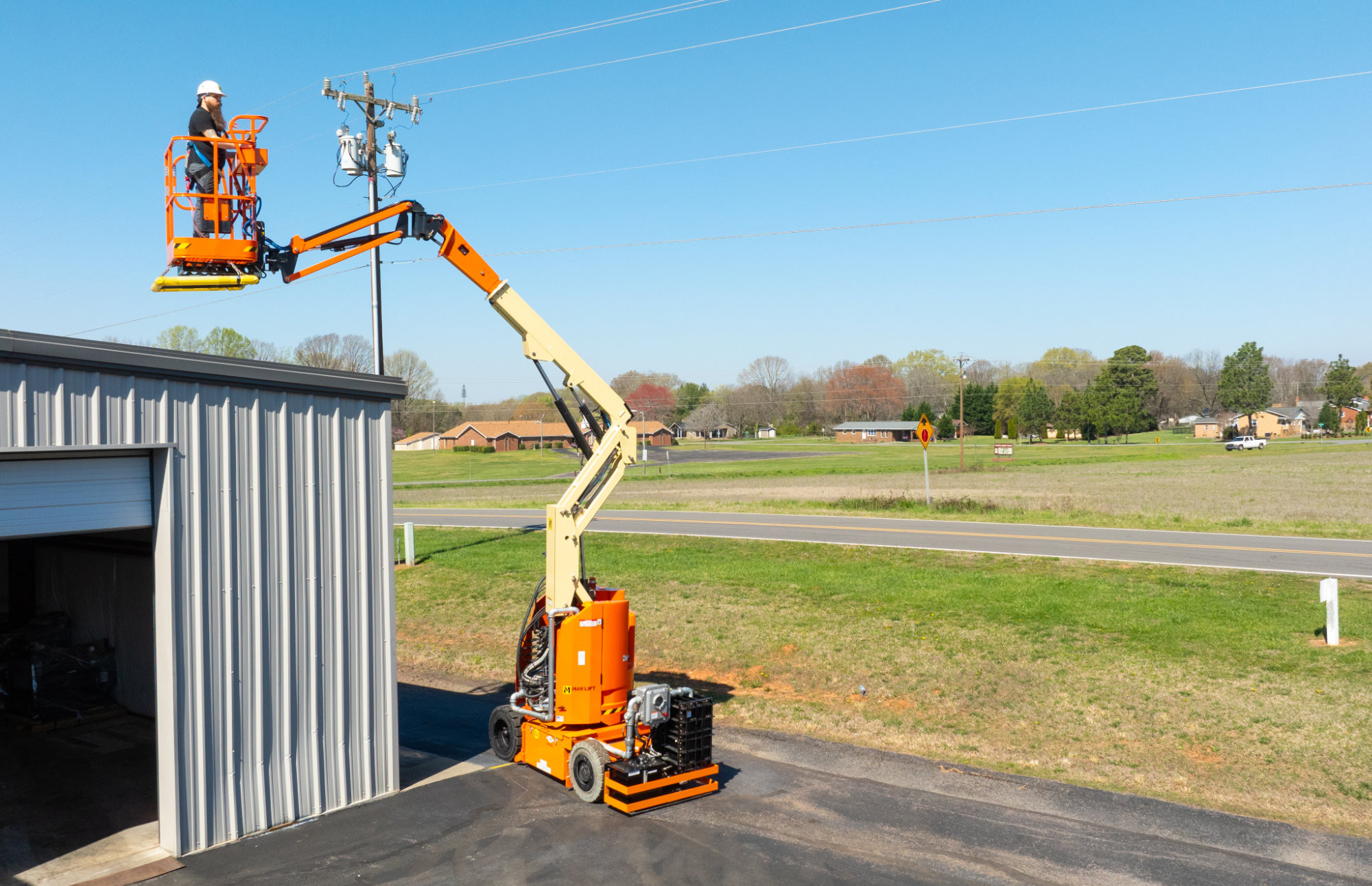
Articulating Boom Lift Safety: Check the Base and the Basket
An articulating boom can reach around obstacles, which also creates changing clearances. Review the path of the platform and boom before moving into position.
Read guide →
Updated Oct 25, 2026
Scissor Lifts in Warehouses: When Vertical Access Fits
A scissor lift may suit overhead warehouse work where the machine can stand beneath the task. It should not be described as ideal for every warehouse.
Read guide →
Updated Oct 25, 2026
Aircraft Boarding Stairs: Maintain Surfaces, Rails and Interfaces
Boarding stairs need a maintenance plan appropriate to their model, exposure and use. The passenger route includes the platform, steps and aircraft transition.
Read guide →
Updated Oct 25, 2026
Industrial Lift Efficiency: Preserve Condition and Task Fit
Equipment availability depends on appropriate use, inspection and service. Do not trade required checks for a shorter setup time.
Read guide →
Updated Oct 25, 2026
Modular Platforms or a Dedicated Access Solution?
Modular platforms can accommodate several layouts, while a dedicated platform can suit a recurring task with tight constraints. Compare the actual configurations rather than assuming modular means universal.
Read guide →
Updated Oct 25, 2026
Crane Maintenance: Build the Plan from the Equipment Instructions
Crane maintenance should follow the actual crane, hoist and accessory requirements. A general lubrication schedule cannot replace the specified inspection and service program.
Read guide →
Updated Oct 25, 2026
Hydraulic vs. Traction Lifts: Clarify the Equipment Category
Hydraulic and traction systems are often compared in building elevators, while industrial tables and access equipment use other configurations. First identify which type of lifting equipment the project actually needs.
Read guide →
Updated Oct 25, 2026
Aircraft Refueling: Access Equipment and Work-Area Planning
Aircraft refueling requires the operator's approved procedures and trained personnel. This guide addresses access planning rather than providing a substitute fueling procedure.
Read guide →
Updated Oct 25, 2026
Rolling Work Platforms: Benefits and Space Requirements
A rolling platform can serve several work locations when the route and parking area are suitable. Its value depends on how easily it can be positioned and secured.
Read guide →
Updated Oct 25, 2026
Work Platforms Explained: Access, Working Space and Load
A work platform provides a defined place to stand while performing a task. Fixed, rolling and powered configurations solve different access problems.
Read guide →
Updated Oct 25, 2026
Industrial Stairs: When a Permanent Route Is Worth Considering
Industrial stairs can serve repeated access between defined levels. Compare the complete route with the task and available space before choosing stairs over another access method.
Read guide →

Updated Oct 25, 2026
Crossover Platforms: Provide a Route Over an Obstruction
A crossover creates a defined walking route above pipes, conveyors or other obstacles. It should preserve access and clearance for both people and the equipment below.
Read guide →
Updated Oct 25, 2026
Man Lift Safety: Practical Checks Without Unsupported Statistics
A safety plan does not need an alarming statistic to be useful. It needs a suitable machine, trained personnel and controls for the actual work.
Read guide →
Updated Oct 25, 2026
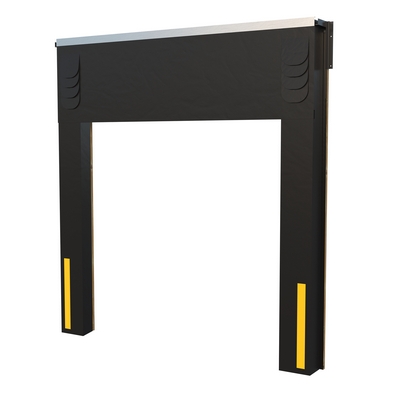
Dock Levelers: What to Specify Before Requesting a Quote
A dock leveler bridges the height difference between a loading dock and a vehicle. Its fit depends on the dock, vehicle range and handling traffic.
Read guide →
Updated Oct 25, 2026
Industrial Cranes: Clarifying Lifting Equipment Terminology
Industrial crane requests should identify the load movement rather than rely on an imprecise equipment name. Jibs, gantries and boom cranes serve different working envelopes.
Read guide →
Updated Oct 25, 2026
Buying Telescoping or Articulating Booms: Compare the Required Positions
A purchase comparison should plot the positions needed across representative jobs. The longest advertised reach is not necessarily the most useful configuration.
Read guide →
Updated Oct 25, 2026
Common Crane Types: Compare How the Load Moves
Crane types differ in the area they serve and how they support the load. Match the movement pattern before comparing capacity.
Read guide →
Updated Oct 25, 2026
Drop-Deck Trailers: Coordinate the Transport and Loading Plan
A lower trailer deck may help accommodate certain freight dimensions, but trailer selection is a transport-planning decision. Confirm the complete load and loading method with the carrier.
Read guide →
Updated Oct 25, 2026
What Dock Levelers Do—and What They Do Not Replace
A dock leveler provides a transition between the loading dock and a vehicle. It does not by itself resolve vehicle restraint, pedestrian separation or every vehicle-height mismatch.
Read guide →

Updated Oct 25, 2026
Caged Fixed Ladders: What a Cage Does Not Resolve
A cage is not a complete answer to fixed-ladder fall protection. Review the ladder height, installation date and applicable workplace rules before specifying a new or replacement system.
Read guide →
Updated Oct 25, 2026
Rolling Ladders: When Movable Access Fits the Task
A rolling ladder can support repeated access at different locations when it fits the route and can be secured for use. Compare it with the actual goods and work involved.
Read guide →
Updated Oct 25, 2026
Aerial Work Platform Types: A Practical Comparison
Access equipment differs in platform movement, reach and operating footprint. Begin with the work position and the route to it.
Read guide →
Updated Oct 25, 2026
Industrial Ladder Types and Their Applications
Industrial ladders vary in how they support access, movement and working position. Begin with the task rather than choosing by material or appearance.
Read guide →
Updated Oct 25, 2026
Maintenance Platform Buying: Questions to Resolve Before Pricing
Maintenance platform quotations should describe the technician's working position relative to the equipment. A nominal platform height leaves too much unresolved.
Read guide →
Updated Oct 25, 2026
Aircraft Maintenance Equipment: Build the Investment Case
An access-equipment purchase should support identified maintenance tasks. Compare the effect on setup, working access and equipment availability rather than assuming every new stand reduces costs.
Read guide →
Updated Oct 25, 2026
Aircraft Maintenance Quality: Support the Procedure with Suitable Access
Quality maintenance depends on approved instructions, qualified personnel and controlled work. Ground access equipment should make the required task reachable without adding obstruction or damage risk.
Read guide →
Updated Oct 25, 2026
Articulating vs. Telescoping Boom Lifts: Match the Access Path
Articulating booms use jointed sections to position around obstacles; telescoping booms extend along a more direct path. The available setup location often determines which approach is workable.
Read guide →
Updated Oct 25, 2026
Warehouse Safety Planning: Fix Recurring Conditions
A warehouse safety plan should address repeated hazards through equipment, layout and work methods. General reminders alone cannot resolve an obstructed aisle or damaged rack.
Read guide →
Updated Oct 25, 2026
Ladders or Platforms for Maintenance: Assess the Working Position
Maintenance access should support the technician's posture, tools and time at the task. A ladder that reaches the equipment may still leave an unsuitable working position.
Read guide →
Updated Oct 25, 2026
Aircraft Maintenance Planning: Where Ground Equipment Fits
Ground support equipment should support an approved aircraft maintenance plan. It does not replace aircraft-specific instructions, qualified personnel or release-to-service responsibilities.
Read guide →
Updated Oct 25, 2026
Fall Prevention Around Aircraft: Review the Whole Access Route
Fall exposure around aircraft can occur during entry, work and exit. Review the complete route rather than focusing only on the final platform position.
Read guide →
Updated Oct 25, 2026
Aircraft Maintenance Stands: Organize by Service Task
Aircraft maintenance stands should be compared by service location and technician position. Engine access, rotor-area work and fuselage inspection do not necessarily need the same platform.
Read guide →

Updated Oct 25, 2026
Aircraft Towbar Maintenance: Follow the Approved Inspection Criteria
Towbar maintenance needs to address the complete assembly and aircraft interface. Use the manufacturer's instructions for inspection, lubrication and replacement.
Read guide →
Updated Oct 25, 2026
Cantilever Racks: Specify the Load and Support Spacing
Cantilever racks suit certain long loads, but the load's length alone does not determine the rack. Weight distribution and the number of supporting arms matter.
Read guide →
Updated Oct 25, 2026
Buying an Adjustable Work Platform: A Measurement Sequence
A useful platform request starts with a dimensioned sketch of the work area. Measure from the supporting floor rather than using an approximate equipment height.
Read guide →
Updated Oct 25, 2026
Forklift Personnel Platforms: Verify the Complete Arrangement
A forklift attachment marketed as a cage is not blanket permission to lift people. Review whether the truck, attachment and operating method are approved for personnel use.
Read guide →
Updated Oct 25, 2026
Industrial Ergonomics: Measure Reach, Force and Repetition
An ergonomic equipment decision should start with observed work. Identify the movement causing difficulty before assuming a lift, cart or platform is the solution.
Read guide →
Updated Oct 25, 2026
Loading Dock Productivity: Fix the Transfer Bottleneck
A loading dock combines vehicle movement, goods transfer and pedestrian activity. Improvements should address the point where these flows interfere rather than simply increasing speed.
Read guide →
Updated Oct 25, 2026
Mobile Platforms for Aviation Maintenance: Evaluate the Workflow
A mobile platform is useful when it can be repositioned between defined service locations without compromising fit. Compare setup time and clearances across the maintenance sequence.
Read guide →
Updated Oct 25, 2026
Ergonomic Stackers: Match the Load, Pallet and Transfer Height
A stacker must engage the load securely and fit the receiving station. Published capacity alone does not resolve pallet compatibility or load-center limits.
Read guide →
Updated Oct 25, 2026
Rolling Platform Ladders for Warehouses: Evaluate the Working Area
A rolling platform ladder can provide a defined standing area for selected warehouse tasks. Its usefulness depends on the goods handled and the room available.
Read guide →
Updated Oct 25, 2026
Safe Drum Handling: Match the Grip to the Container
A drum handling device must retain the actual container through the intended movement. Nominal volume does not prove compatibility.
Read guide →
Updated Oct 25, 2026
Boom Lifts: Where Outreach Helps and What Limits It
Boom lifts can position a work platform away from the machine's base. The useful reach depends on the model, load and permitted operating configuration.
Read guide →
Updated Oct 25, 2026
Aircraft Ladders: Measure the Aircraft Interface First
An aircraft access ladder must place the user at the task without contacting sensitive surfaces. Aircraft model and configuration matter more than a general ladder description.
Read guide →

Updated Oct 25, 2026
Adjustable Work Platforms: Match the Height Range to the Task
Adjustable height is useful when work positions vary, but the minimum height can matter as much as the maximum. Map every task elevation before choosing a platform.
Read guide →
Updated Oct 25, 2026
Buy or Rent a Work Platform? Compare the Same Workload
Ownership and rental should be compared over the same tasks and period. Neither is automatically cheaper for every facility.
Read guide →
Updated Oct 25, 2026
How Scissor Lifts Can Support Safer Work Planning
A properly selected platform can reduce climbing and awkward access, but it also introduces vehicle, crushing and stability hazards. Evaluate the task as a complete system.
Read guide →
Updated Oct 25, 2026
Lift Table Benefits: Where Height Adjustment Adds Value
A lift table can position goods at a more useful working height. Its benefit depends on how loads arrive, how workers reach them and how goods leave.
Read guide →
Updated Oct 25, 2026
Jib Cranes: Specify the Sweep, Reach and Support
A jib crane serves a defined working area around its support. Check the load path and installation before choosing boom length or nominal capacity.
Read guide →
Updated Oct 25, 2026
Scissor, Articulating and Telescoping Lifts: Compare Access Geometry
Choose among lift configurations by mapping the task and the base location. Equipment names are less useful than the position the platform must reach.
Read guide →
Updated Oct 25, 2026
Warehouse Efficiency: Separate Travel, Waiting and Handling
A warehouse improvement plan becomes more useful when it distinguishes movement from delay. Measure where orders wait as well as how quickly staff handle them.
Read guide →
Updated Oct 25, 2026
Fall Prevention at Work: Start with the Task and Access Route
Fall prevention aims to avoid exposing workers to a fall where practicable. Review how people reach, perform and leave the work.
Read guide →
Updated Oct 25, 2026
Work Platform Business Case: Estimate Utilization and Ownership Cost
A platform business case should use measured workload rather than a blanket claim that ownership always saves money. Compare the same tasks and planning period.
Read guide →
Updated Oct 25, 2026
Passenger Stairs and Boarding Bridges: Maintain the Access Route
Passenger access equipment needs inspection and service appropriate to its manufacturer and operating environment. Maintenance should cover the full route, including transitions and controls.
Read guide →
Updated Oct 25, 2026
Scissor Lift Investment: Five Questions Before Buying
Buying a scissor lift makes sense only when a suitable model supports the actual workload. Establish task fit before comparing ownership costs.
Read guide →
Updated Oct 25, 2026
Aircraft Towbar Replacement: Review Condition and Compatibility
Towbar replacement should follow the manufacturer's inspection and service criteria. Appearance alone cannot establish remaining service life or aircraft compatibility.
Read guide →
Updated Oct 25, 2026
Warehouse Ladders: Match Access Frequency to the Task
Warehouse ladders should be selected for the actual picking or maintenance pattern. Occasional access and repeated stock retrieval can impose different demands.
Read guide →
Updated Oct 25, 2026
Telescopic and Articulating Booms: Read the Reach Diagram
A boom type describes its geometry, not its suitability for a particular work point. The reach diagram shows which platform positions the proposed model can achieve.
Read guide →
Updated Oct 25, 2026
Reliable Material Handling: Plan Serviceability as Well as Capacity
Handling reliability depends on suitability, maintenance and support. A high capacity rating cannot compensate for equipment that is difficult to inspect or repair.
Read guide →
Updated Oct 25, 2026
Equipment Investment: Seven Costs to Include in the Business Case
A purchase can improve a process without producing the savings shown in a sales brochure. Build the business case from the facility's own workload and records.
Read guide →
Updated Oct 25, 2026
Material Handling Systems: Improve the Handoffs
Handling-system performance often depends on transitions between equipment. Review how loads move between pallets, carts, tables, conveyors and storage.
Read guide →
Updated Oct 25, 2026
Eight Ladder Misuses to Address in a Site Review
A ladder review works best when it focuses on observable behavior and equipment condition. Ask supervisors to identify where the intended access method no longer fits the job.
Read guide →

Updated Oct 25, 2026
Truck-Mounted Work Platforms: Review Vehicle and Platform Together
A truck-mounted platform is a combined vehicle and access system. Selection should include where the vehicle can position as well as where the platform must reach.
Read guide →
Updated Oct 25, 2026
Lift Tables: Improve the Transfer, Not Just the Lift
A lift table can improve a workstation when its height range and deck suit the transfer. Raising a load is only one step in the process.
Read guide →
Updated Oct 25, 2026
Warehouse Productivity: Ten Measurements Before Buying Equipment
Productivity improvements are easier to justify when a team can identify where time and effort are being lost. Begin with one representative process rather than replacing equipment across the facility.
Read guide →

Updated Oct 25, 2026
Marine Access Equipment: Define Shore and Vessel Interfaces
Marine access combines changing geometry with an exposed environment. Describe the operating range before choosing a gangway, platform or ladder.
Read guide →
Updated Oct 25, 2026
Industrial Storage: Review Loads, Access and Impact Exposure
Storage equipment should support the goods and the method used to retrieve them. A tidy appearance does not establish that a rack or shelf is correctly rated or installed.
Read guide →
Updated Oct 25, 2026
Material Handling Systems: Specify the Transfer Before the Machine
A handling system should be evaluated from pickup through final placement. Faster movement in one segment can create a queue at the next station.
Read guide →
Updated Oct 25, 2026
Drum Handling Equipment: Select by Container and Task
Drum equipment must match both the container and the movement. Lifting, transporting, rotating and dispensing can need different approved devices.
Read guide →
Updated Oct 25, 2026
Heavy-Duty Ladders: Compare Ratings, Not Marketing Labels
Heavy duty is not a substitute for a documented load rating. Select a ladder using the worker, tools and materials it must support in the intended task.
Read guide →
Updated Oct 25, 2026
Loading Dock Equipment: Build a Site-Specific List
A dock equipment list should follow the transfer process. The facility's vehicles, handling equipment and traffic determine what belongs on it.
Read guide →
Updated Oct 25, 2026
Yard Ramp Applications: Match the Ramp to the Loading Route
A yard ramp creates an inclined transfer route, so the handling vehicle and load must be considered together. Ramp material is only one part of the selection.
Read guide →
Updated Oct 25, 2026
Custom Industrial Ladders: When Standard Dimensions Do Not Fit
Custom access equipment is worth considering when a measured constraint prevents an approved standard configuration from fitting the task. Describe that constraint precisely.
Read guide →
Updated Oct 25, 2026
Custom Warehouse Ladders: Prepare a Constraint Drawing
A custom warehouse ladder should solve a documented fit problem. Show the supplier which dimension or task a standard configuration cannot accommodate.
Read guide →
Updated Oct 25, 2026
Aircraft Maintenance Docking Systems: Prepare the Interface Brief
A docking system must fit the aircraft and the maintenance sequence. Begin with the aircraft variants and service configurations rather than an approximate overall size.
Read guide →

Updated Oct 25, 2026
Space-Saving Crossover Ladders: Measure the Clearance Envelope
A crossover provides a route above an obstruction. Saving floor space should not reduce the clearance needed for the obstruction, user or approach.
Read guide →
Updated Oct 25, 2026
Rolling Ladder Selection: Check Aisles, Platforms and Locks
A rolling ladder must move to the job and remain secured while used. Measure the base and travel route before choosing a platform height.
Read guide →
Updated Oct 25, 2026
Custom Industrial Stairs: Review Geometry and Installation
Industrial stairs should be specified as a complete access route. The stair, landing, rails and supporting structure need to work together for the intended use.
Read guide →
Updated Oct 25, 2026
B4 Maintenance Platforms: Verify the Model Before Comparing Fit
B4 is a model or configuration identifier, not a complete application specification. Confirm the exact product record and current manufacturer information before evaluating it for a task.
Read guide →
Updated Oct 25, 2026
Reversible Boom Cranes: Review Reach, Capacity and Support
A reversible boom crane should be selected using its approved configurations and load chart. The name does not establish where it can lift a particular load.
Read guide →
Updated Oct 25, 2026
Warehouse Ladder Types: How to Build a Useful Shortlist
Choose warehouse access equipment by the task, available space and goods handled. Compare rolling ladders, work platforms and crossovers against the same requirements.
Read guide →

Updated Oct 25, 2026
Upright Aluminum Scaffold Towers: Check Configuration and Site
A scaffold tower's usable height and stability depend on its approved assembly. Aluminum construction does not remove the need for proper support and inspection.
Read guide →
Updated Oct 25, 2026
Choosing an Industrial Man Lift: Define the Job First
The term man lift covers different access configurations. A useful selection begins with the worker's required position, tools and task duration.
Read guide →
Updated Oct 25, 2026
Custom Marine Access: Account for Relative Movement
Marine access equipment must accommodate the actual relationship between shore, vessel and landing. A fixed height measurement taken once may not describe the operating range.
Read guide →
Updated Oct 25, 2026
Aircraft Ramp Service Equipment: Match Equipment to the Turnaround
Ramp equipment should be selected around the aircraft and service sequence. Different aircraft and ground operations can require different interfaces.
Read guide →

Updated Oct 25, 2026
Cantilever Ladders: Specify the Reach and the Base Together
A cantilever ladder can place a standing platform over an obstruction while its base remains outside that area. Both the overhang and the support arrangement need review.
Read guide →
Updated Oct 25, 2026
Loading Dock Equipment: Build the Specification Around the Vehicles
The right dock equipment depends on the vehicle mix, dock geometry and transfer method. Start with the loads and vehicles the facility actually handles.
Read guide →
Updated Oct 25, 2026
Ladders or Man Lifts: Choose by Task, Not by Equipment Name
A ladder provides a climbing route; an elevating work platform changes the worker's position mechanically. Decide which method supports the task before comparing quotations.
Read guide →
Updated Oct 25, 2026
Custom Fabrication Projects: Prepare a Usable Project Brief
A custom fabrication brief should explain what the equipment must do and where it must fit. Detailed constraints help prevent an attractive drawing from becoming an unusable installation.
Read guide →
Updated Oct 25, 2026
What Is a Man Lift? Personnel Access vs. Material Lifting
In industrial purchasing, man lift often refers broadly to equipment that elevates people for work. Confirm the exact equipment type because terminology and regulatory definitions can differ.
Read guide →
Updated Oct 25, 2026
Man Lift Applications: Why One Model Rarely Fits Every Job
Access needs vary between inspection, installation and maintenance. Similar target heights can involve very different working positions and loads.
Read guide →
Updated Oct 25, 2026
Archived Helicopter Canopy Announcement
An earlier announcement introduced a helicopter canopy offering. Ask for a current proposal before planning a purchase.
Read guide →
Updated Oct 25, 2026
Buying an Industrial Crane: What the Proposal Must Resolve
A crane purchase involves the load, working envelope and installation together. A high capacity rating is useful only at the positions the task requires.
Read guide →
Updated Oct 25, 2026
Custom Ladder Dimensions: What to Measure on Site
Custom ladder requests often begin with a difficult access point. Convert that problem into a measured envelope before selecting a ladder arrangement.
Read guide →
Updated Oct 25, 2026
Aerial Work Platform Safety: Plan the Work Envelope
Aerial platform safety starts before raising the platform. The setup position, overhead space and rescue arrangements need review alongside the equipment itself.
Read guide →
Updated Oct 25, 2026
Ladder Safety Training: What a Useful Program Should Cover
Free materials can support training, but watching a video alone does not establish that workers can use the site's ladders correctly. Build the training around actual equipment and tasks.
Read guide →
Updated Oct 25, 2026
Archived Environmental Announcement
This historical company announcement does not establish a current certification or the environmental performance of today’s equipment.
Read guide →
Updated Oct 25, 2026
Frame Scaffolding: Compare the Approved System, Not Loose Parts
Frame scaffolding is an assembled system. Frames, braces, platforms and access components must form a configuration suitable for the intended work.
Read guide →
Updated Oct 25, 2026
Custom Maintenance Ladders: Design Around the Service Task
A custom maintenance ladder should put the technician where the work can be performed without improvised reach. The equipment being serviced is part of the specification.
Read guide →
Updated Oct 25, 2026
Material Handling Equipment: Start with the Load Path
Material handling equipment should be selected for a defined movement, not a broad promise of efficiency. Record where the load begins, how it travels and where it ends.
Read guide →
Updated Oct 25, 2026
Industrial Supply Purchasing: A Specification Checklist
A clear purchasing request reduces mismatched equipment and repeated quote revisions. State the intended function and acceptance criteria before selecting a supplier.
Read guide →
Updated Oct 25, 2026
Maintenance Platforms: Specify the Working Interface
A maintenance platform should fit the service task, not simply stand beside the machine. Define where the technician needs to work and how access will remain clear.
Read guide →
Updated Oct 25, 2026
Industrial Ladders: A Task-Based Selection Guide
Industrial ladder selection is a match between access needs and a documented equipment configuration. Avoid starting with broad claims about premium quality or universal safety.
Read guide →
Updated Oct 25, 2026
Custom Industrial Fabrication: Compare Proposals on the Same Scope
Custom proposals can differ in design work, materials, finishing and installation. Compare the complete scope before judging the quoted amount.
Read guide →
Updated Oct 25, 2026
Scissor Lift Applications: Match the Platform to the Work
Scissor lifts provide vertical platform movement. Their suitability depends on the task, platform space, supporting surface and the model's operating limits.
Read guide →
Updated Oct 25, 2026
Choosing an Aerial Work Platform: A Site Survey Guide
A site survey turns a broad request for a lift into a usable equipment specification. Walk the path from unloading or storage to every work location.
Read guide →
Updated Oct 25, 2026
Welcome to the Industrial Man Lifts Blog
Practical guides for choosing access and material handling equipment. Start with the job you need to do, then explore the equipment options.
Read guide →