
Equipment buying & work planning
Modular Platforms or a Dedicated Access Solution?
Modular platforms can accommodate several layouts, while a dedicated platform can suit a recurring task with tight constraints. Compare the actual configurations rather than assuming modular means universal.
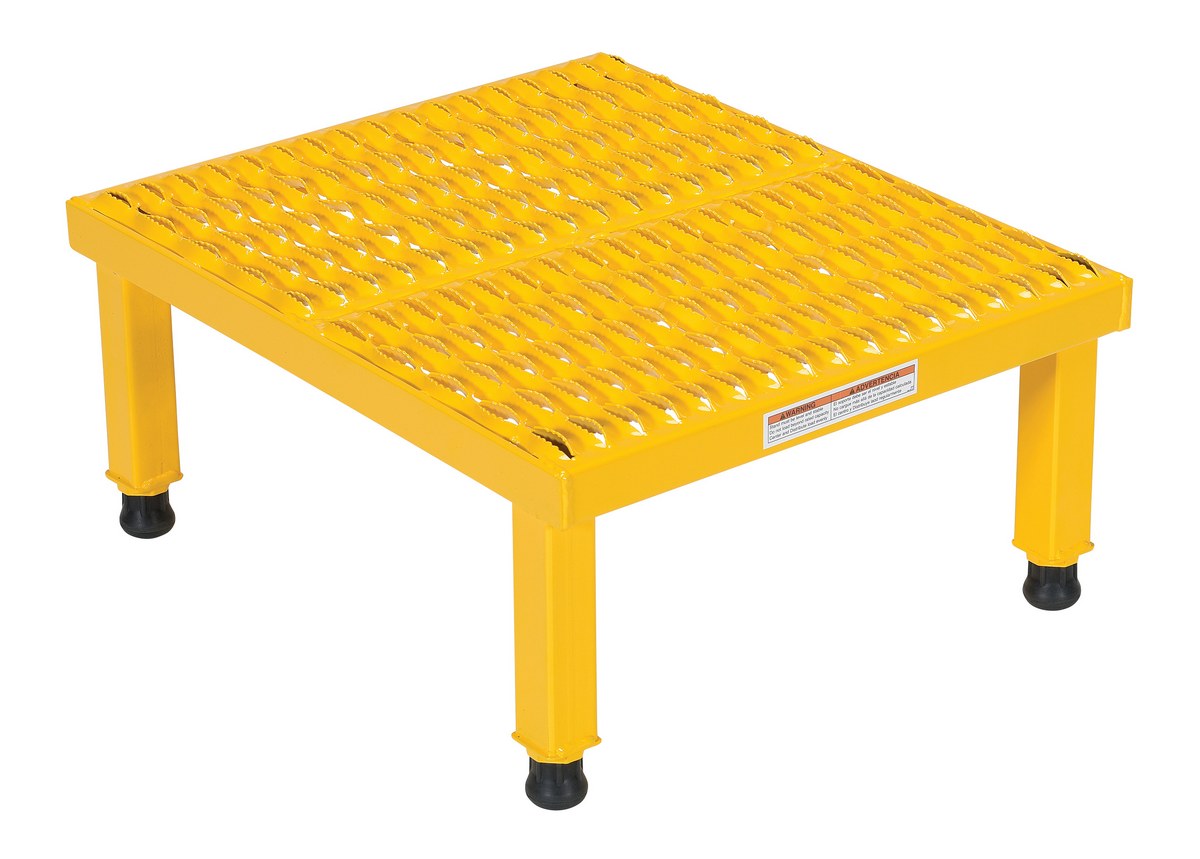
Compare an approved arrangement rather than modular components alone
Modular platforms can be useful where a facility expects defined layout changes, but configurable parts are not permission for unrestricted assembly. Steps, decks, connections, supports and rails must form an appropriate complete arrangement. Record the current task, working positions, loads and interfaces before deciding whether a modular or dedicated design offers the better fit.
For future changes, describe the likely layouts instead of requesting general flexibility. Ask which arrangements the proposed system supports and what review is required for reconfiguration. Components that look compatible may have different load paths or connection requirements. Reusing available sections is a design question, not simply a purchasing shortcut.
Include reconfiguration effort in the ownership comparison
A stable workstation may benefit from a dedicated arrangement with consistent access and fewer changeovers. A changing process may justify a configurable system, provided the facility can manage assembly, inspection, storage and documentation. Compare the labor, downtime and resources needed to move between approved layouts, not only the initial material quantity.
Request quotations against the same present task and anticipated changes. Identify included connections, access protection, site work and acceptance evidence. Keep the approved configuration records with the equipment so a later move does not become an informal rebuild. The objective is usable access through known changes, not modularity as a benefit independent of the work.
| Factor | Modular review | Dedicated review |
|---|---|---|
| Task fit | Approved assembly for the actual layout. | Dimensioned arrangement for the established task. |
| Future changes | Specific permitted configurations and needed components. | Which likely changes would require another design. |
| Site resources | Assembly, identification, inspection and storage. | Installation, service access and ongoing inspection. |
| Scope | Connections, supports, access and protection included. | Supports, anchors, access and installation included. |
Review checklist
- Expected layout changes
- Support and connection details
- Required access protection
Buyer questions
What documentation helps after a reconfiguration?
Keep the approved layout, component list, load information and inspection requirements available for the new arrangement.
Can we reuse existing sections in a new modular layout?
Only where compatibility and the resulting arrangement are approved for those components and intended loads. Identify the system and configuration rather than assembling by appearance. Obtain the required instructions and review before treating reused parts as a complete working platform.
How should future flexibility be written into an RFQ?
Show realistic alternative layouts and tasks, not an undefined requirement to fit anything. Ask the supplier which arrangements are approved, which additional components are needed and what review follows a change. Compare that scope with the expected frequency and value of reconfiguration.
References & further reading
Use the applicable requirements and the specific equipment instructions for your work. General references do not establish approval of a product or installation.