
Equipment buying & work planning
Work Platforms Explained: Access, Working Space and Load
A work platform provides a defined place to stand while performing a task. Fixed, rolling and powered configurations solve different access problems.
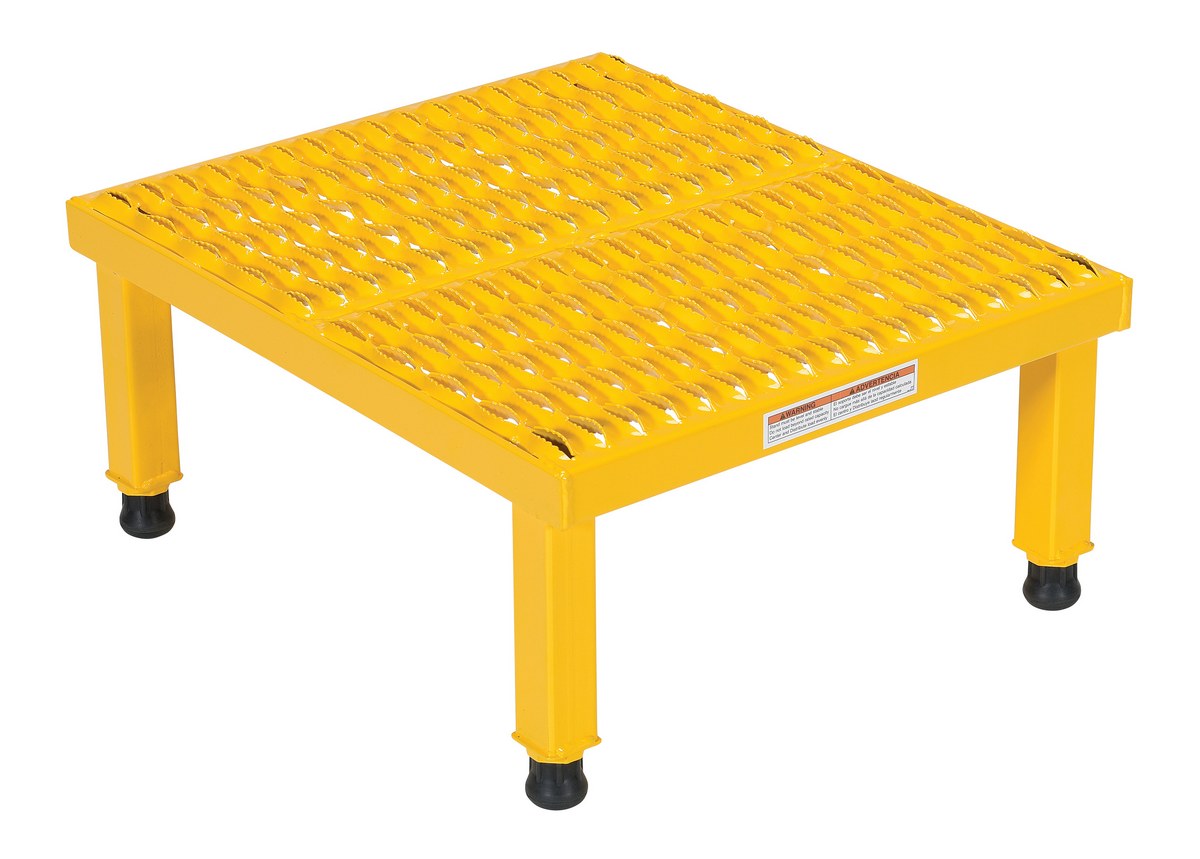
Distinguish access, working space and goods positioning
A work platform provides an intended position for a person to perform a task; a material lift table positions goods unless specifically designed and approved for personnel use. Start by stating who or what moves and what happens at the destination. Similar lifting motions do not make the equipment interchangeable.
Draw the work point, person, floor and nearby equipment. Include where the user enters and how tools or parts reach the working area. Record load, usable deck, required elevation and approach. The complete base, rails and supports may control fit even when the platform surface appears large enough.
Choose the arrangement around repeated use
Compare a fixed position with rolling or height-adjustable arrangements using actual tasks. Include setup, securing, adjustment, storage and inspection. A movable design needs an appropriate route and working surface; an adjustable one needs suitable configurations at the positions used. Neither feature resolves an obstruction at the work-facing edge by itself.
Ask the supplier to identify the exact configuration and its intended use, rating and installation requirements. Review the drawing against the measured task and keep unknown dimensions visible until resolved. A clear starting specification avoids a common purchasing mistake: ordering a broad platform category before establishing the working arrangement it must provide.
Review checklist
- Required deck height
- Usable working area
- Combined worker and tool load
Buyer questions
Is a lift table a work platform?
Not unless the equipment is specifically designed and approved to lift personnel. Material handling tables should not be treated as personnel lifts.
What is usable deck space?
It is the working area available in the approved configuration; rails, openings and nearby equipment can affect how that area supports the task.
What is the first difference to check between platforms?
Confirm intended use, particularly personnel access versus material handling, then compare the working position and load. Equipment names can be broad. Ask for the actual configuration, dimensions and instructions rather than assuming two similar decks provide the same function or approved use.
Can a beginner prepare a useful platform RFQ?
Yes: describe the task, provide verified dimensions and identify unknowns. Include people, tools, materials, route and environment. You do not need to invent the final design. Ask the supplier to explain the proposed configuration and assumptions so responsible site personnel can review it.
References & further reading
Use the applicable requirements and the specific equipment instructions for your work. General references do not establish approval of a product or installation.
