
Equipment buying & work planning
Rolling Work Platforms: Benefits and Space Requirements
A rolling platform can serve several work locations when the route and parking area are suitable. Its value depends on how easily it can be positioned and secured.
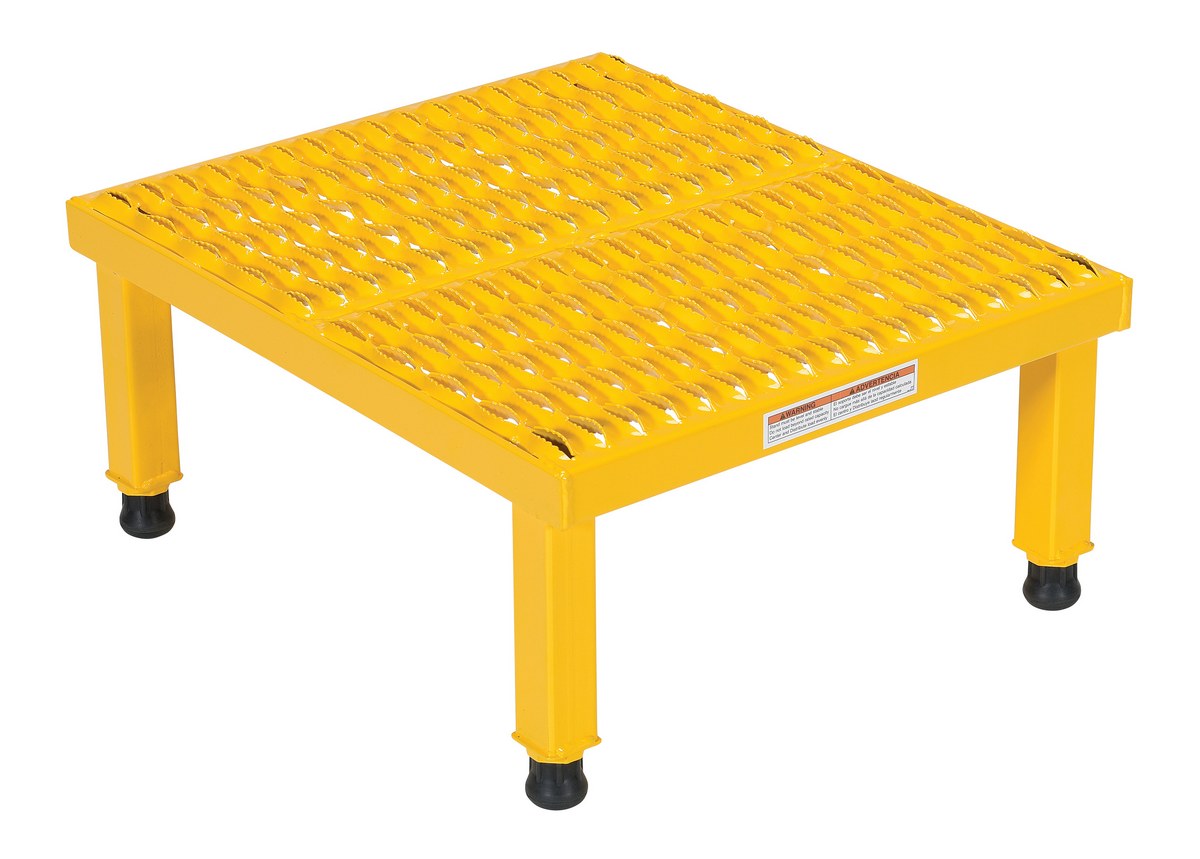
Evaluate movement as well as the working position
Rolling work platforms are useful when a stable working area must be repositioned between tasks. Their value depends on the full route: door openings, turning space, thresholds, nearby equipment and storage. Measure the base and rails rather than only the deck. A platform that fits beside a machine may still be difficult to bring there.
At each station, review entry, equipment-facing gaps, tool transfer and the approved movement-restraint system. Show the machine's service configuration, including panels and removed components. For equipment covered as a mobile ladder stand or mobile ladder stand platform, OSHA 1910.23 prohibits movement while occupied; wheels do not imply permission for occupied travel.
Compare shared use over a representative workday
List the moves required during a shift, the time spent positioning and securing the unit, and periods when several jobs need it at once. Include return to storage and inspection. Sharing can reduce equipment count while increasing waiting or handling, particularly when routes are narrow or maintenance tasks overlap.
Request the dimensions, rating and instructions for the exact configuration being considered. Identify stations it can serve and those requiring another access method. Use observed retrieval and setup effort to assess productivity, rather than assigning a general time saving to wheels alone. This makes the purchase useful for the maintenance schedule as well as the floor plan.
| Location element | Measure or describe | Decision supported |
|---|---|---|
| Travel route | Doors, turns, thresholds and overhead limits. | Whether the platform can reach the station as intended. |
| Work position | Deck height, service point and tools. | Whether usable working space matches the task. |
| Securing | Base area and approved restraints or locks. | Whether the working configuration fits and can be secured. |
| Daily sharing | Frequency, storage and conflicting tasks. | Whether one mobile unit provides useful availability. |
Review checklist
- Complete travel route
- Locking and stabilization method
- Work-facing clearance
Buyer questions
Can a rolling platform be moved while occupied?
Do not assume it can. Follow the specific manufacturer's operating instructions and applicable workplace requirements.
What belongs in the route survey?
Record the narrowest opening, turning space, thresholds, overhead limits and the final working footprint at each intended station.
Can a rolling platform replace several fixed platforms?
Sometimes, but verify each task's geometry and the schedule. Include repositioning, storage and simultaneous demand. A shared height range does not prove that entry, working-edge clearance or the full base fits every station, and a mobile arrangement still needs its approved securing method.
How should we manage a station that does not fit?
Mark it outside the platform's reviewed coverage and provide an appropriate approved alternative. Do not remove protection, extend the deck or use an improvised support to force compatibility. Revisit the specification with the supplier if the task is recurring and needs another configuration.
References & further reading
Use the applicable requirements and the specific equipment instructions for your work. General references do not establish approval of a product or installation.
