Equipment buying & work planning
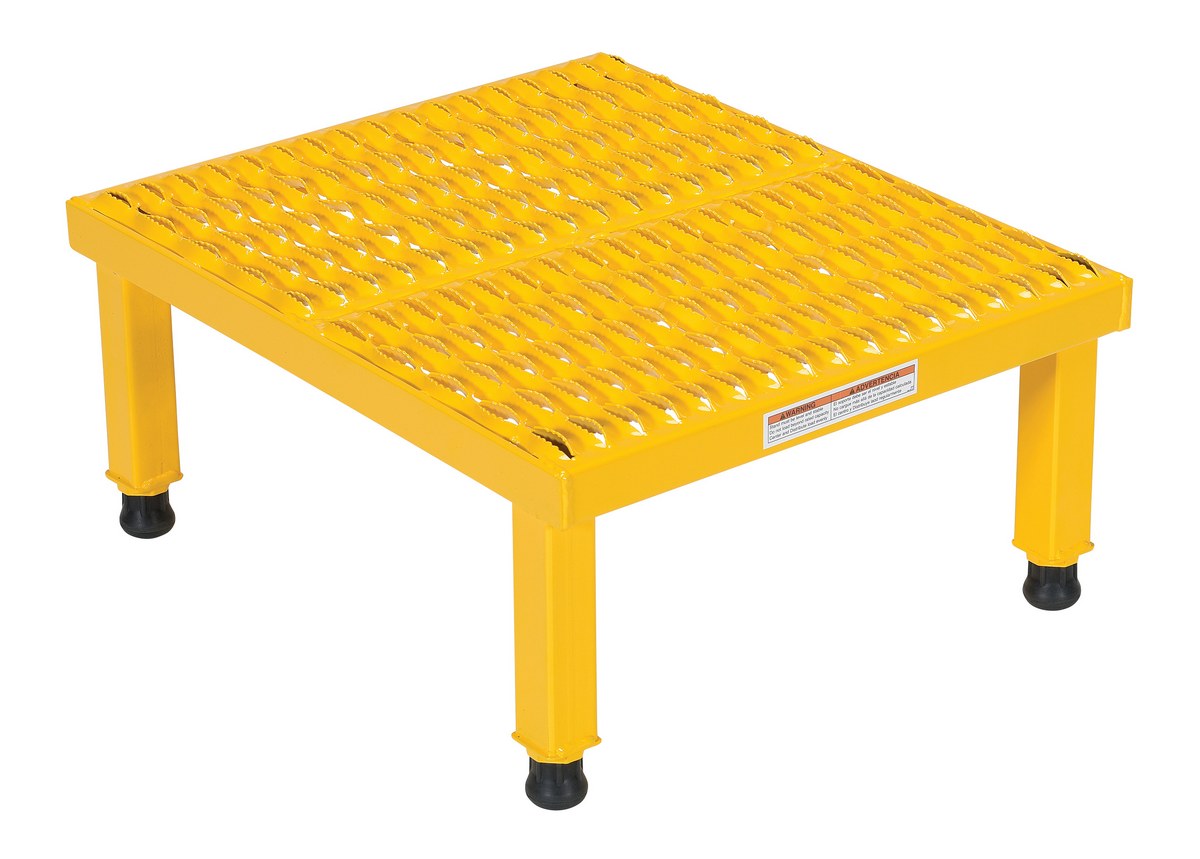
Adjustable Work Platforms: Match the Height Range to the Task
Adjustable height is useful when work positions vary, but the minimum height can matter as much as the maximum. Map every task elevation before choosing a platform.

Review the lowest, highest and intermediate working positions
An adjustable platform's height range does not describe every usable configuration. Record the task position at each required setting, including entry, rails, clearances and the work-facing edge. Ask how the adjustment locks and whether it may be performed under load. Do not assume a position between defined settings is available or approved.
Measure the complete base and available approach space. A larger deck can improve working room while increasing the footprint and turning requirement. Include tools, removed parts and the person using the platform in the load and space description. If the task involves force or a changing interface, explain that condition rather than specifying height alone.
Compare flexibility with changeover and availability
Map the stations the platform is expected to serve and the adjustment needed between them. Check movement, storage, setup responsibility and concurrent demand. A wide range can reduce the number of platforms required, but repeated changeover may make shared equipment inconvenient or unavailable when maintenance needs it.
Request drawings for the selected configuration and the positions relevant to the job. Agree on acceptance checks for adjustment, locking, entry and the measured interface. Keep unsupported station combinations out of the approved coverage. The useful question is whether the platform reduces access constraints across real tasks, not whether its advertised range is the widest.
| Check | Record for each task | Question for the supplier |
|---|---|---|
| Required position | Lowest, highest and intermediate work points. | Which approved setting or arrangement serves each point? |
| Entry and protection | Access direction, rails and working-edge clearances. | Does the arrangement remain suitable through the required range? |
| Adjustment | Frequency, intended loads and control access. | What is the permitted adjustment and locking method? |
| Sharing | Locations, route and simultaneous demand. | Does a shared unit fit the actual schedule and spaces? |
Review checklist
- Lowest and highest task positions
- Adjustment and locking method
- Platform and base dimensions
Buyer questions
Can one adjustable platform serve every station?
Only if its complete range and footprint fit each station; a shared height range alone is insufficient.
What if the required height falls between settings?
Ask the supplier how the approved configuration addresses it; do not create an informal adjustment or packing arrangement.
Is a wider adjustment range always worth choosing?
Only when the intended tasks use it and the complete platform remains suitable. Extra range can come with different geometry, setup or service requirements. Compare the required positions and daily workflow rather than paying for a maximum that adds no useful task coverage.
How should we accept an adjustable platform?
Compare the delivered identity and configuration with the approved drawing. Review dimensions and locking or adjustment using the manufacturer's instructions and the site's acceptance process. Keep the task coverage and limitations documented so later users do not infer approval for every reachable height.
References & further reading
Use the applicable requirements and the specific equipment instructions for your work. General references do not establish approval of a product or installation.