Equipment buying & work planning
Pneumatic Lift Tables in Cleanrooms: Benefits and Limits
Pneumatic actuation can suit some controlled processes, but it does not make a lift table sterile, spark-free or universally suitable. Review the complete design and air supply.
Evaluate pneumatic actuation within the complete process
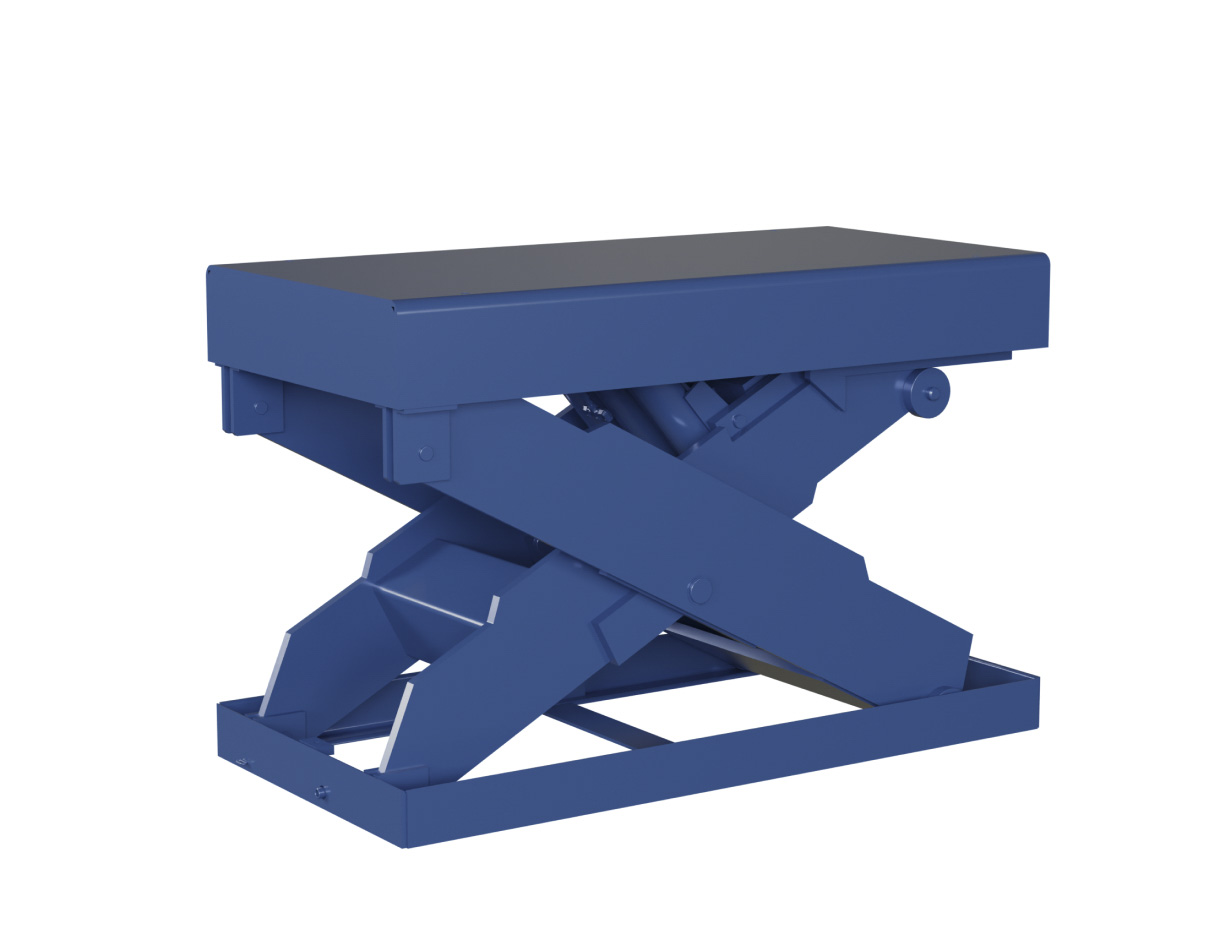
A pneumatic lift table may be considered where its documented design suits the handling task and process requirements. Air actuation alone does not establish sterility, cleanroom acceptance or superiority to a hydraulic design. Specify load distribution, transfer heights, stroke, positioning and duty separately from the contamination-control requirements.
Review construction across the assembly, including surfaces, joints, controls, wheels, seals and service access. A stainless tabletop is not a complete material or cleaning specification. Have the responsible quality team identify the evidence needed for the actual room, exposure and cleaning procedure.
Include the compressed-air system in the proposal
Request the actual model's supply, flow and air-quality requirements and relevant exhaust information. State the facility's available services and identify any preparation or treatment needed. The compressed-air system is part of the operating arrangement; it should not be omitted when comparing energy, installation or maintenance needs.
Give suppliers the same mechanical and process brief and compare the configuration, supporting services, documentation and acceptance scope. Include inspection and maintenance rather than assuming air operation removes those needs. This supports a process-specific purchase instead of using pneumatic or cleanroom as a universal performance or approval claim.
| Area | Specify | Confirmation |
|---|---|---|
| Mechanical task | Load, travel, deck and cycle. | Actual configuration and rating. |
| Process | Exposure, cleaning and documentation. | Requirements for the complete assembly. |
| Air system | Supply, quality and exhaust where relevant. | Site and model compatibility. |
| Ownership | Service, energy and maintenance access. | Resources beyond the lifting mechanism. |
Review checklist
- Process and cleaning requirements
- Air supply and exhaust
- Rated load and operating range
Buyer questions
Are pneumatic tables always preferable to hydraulic designs?
No. Compare the complete contamination controls and operating requirements rather than relying on the actuation type.
Does pneumatic actuation eliminate maintenance concerns?
No. The assembly, controls and air system still need inspection, service and process review appropriate to the actual equipment.
What compressed-air information belongs in a pneumatic table RFQ?
Identify the available supply and relevant site air-quality requirements and ask about the actual model demand and exhaust arrangement. Have the responsible process team review contamination implications. Include supporting energy and service needs in ownership comparison rather than treating compressed air as an unlimited or consequence-free input.
Does specifying a stainless tabletop define the full cleanroom assembly?
No. Identify requirements for the exposed structure, joints, controls, wheels, seals and service access where relevant. The facility should define cleaning and process evidence for the whole proposed design. A deck material and pneumatic mechanism do not establish complete contamination control or approval of the installation.
References & further reading
- FDA: sterile drug products produced by aseptic processing — CGMP guidance
- FDA: CGMP equipment design, cleaning and maintenance questions
Use the applicable requirements and the specific equipment instructions for your work. General references do not establish approval of a product or installation.