
Equipment buying & work planning
Cleanroom Lift Tables: Five Industry Requirements to Compare
Pharmaceutical, biotechnology, food, electronics and medical-device operations can require very different material handling arrangements. A cleanroom label does not establish suitability for all five.
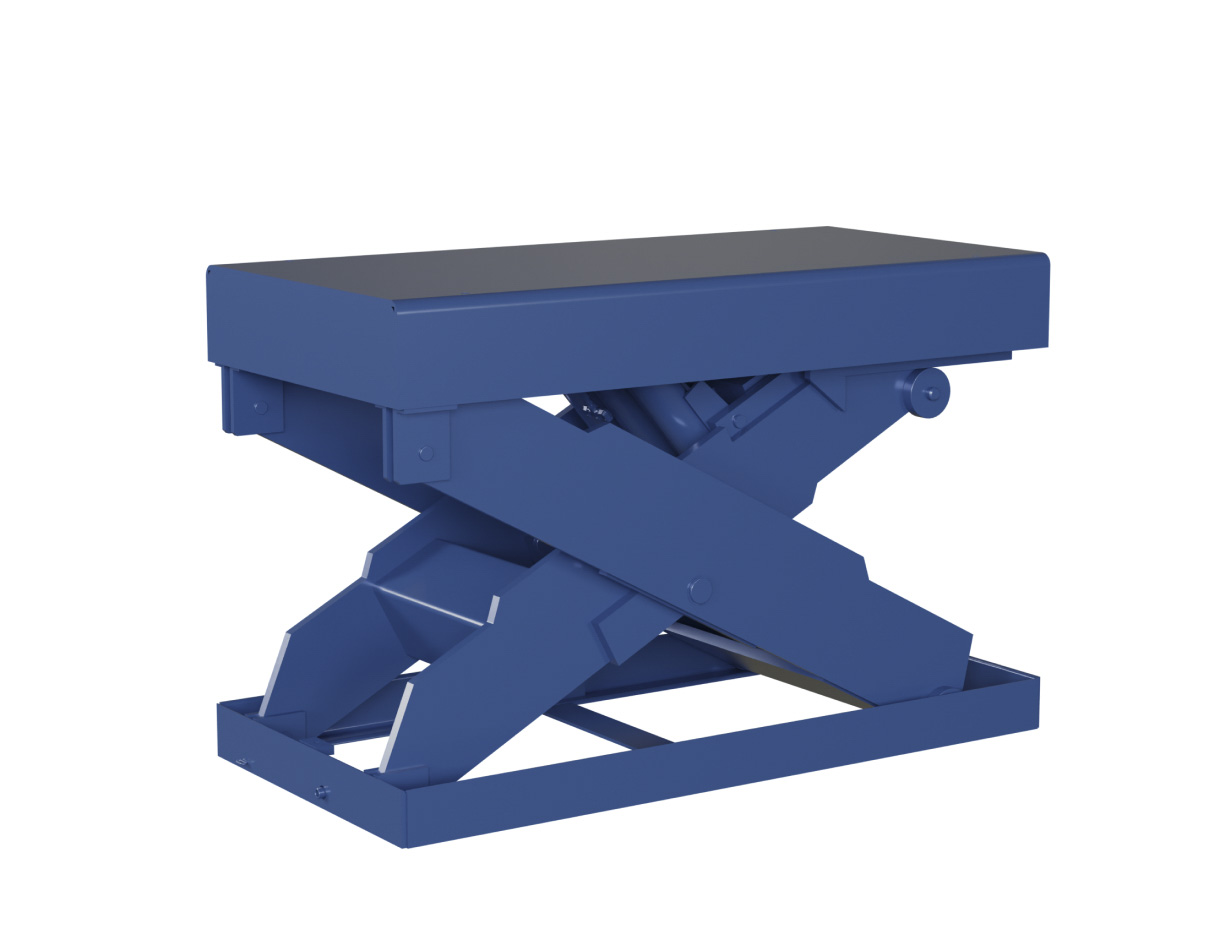
Define the process exposure rather than relying on an industry label
Pharmaceutical, biotechnology, food, electronics and medical-device operations do not share one universal lift-table specification. Handling closed totes in a support room differs from positioning materials beside exposed product. Identify where the table operates, what it carries and whether contamination, cleaning chemistry, electrostatic control or another process requirement governs selection.
Specify the mechanical task separately: load distribution, carrier dimensions, transfer heights, stroke, frequency and mobility. Then have the process owner define the required evidence for surfaces, joints, lubricants, wheels and controls. A stainless tabletop does not establish the suitability of the underside, actuator, seals or other exposed components.
Compare construction and cleaning as one equipment requirement
Give suppliers the cleaning agents and relevant procedure, including access needed for cleaning and maintenance. Request information for the actual configuration, not a brochure covering a product family. FDA guidance for aseptic drug processing has a defined scope; it should not be presented as a universal approval for tables used in food or electronics operations.
Ask operations and quality to review the same proposal. A mechanically suitable table can still create cleaning access problems, while a preferred finish may not resolve an unsuitable transfer height. Agree on the evidence needed at acceptance before ordering. This reduces the risk of equipment remaining out of service while construction or documentation gaps are resolved.
| Context | Process questions | Evidence to request where applicable |
|---|---|---|
| Pharmaceutical or biotechnology | Where is the table relative to exposed product and controlled processing? | Relevant material, finish, cleaning and maintenance information identified by quality. |
| Food production | What cleaning and product-contact conditions actually apply? | Compatibility with the defined cleaning method and exposed components. |
| Electronics | Are electrostatic or component-protection controls required? | Model-specific information for the specified controls, not a general cleanroom label. |
| Medical devices | What process and quality requirements govern this station? | The documented requirements and acceptance evidence for the actual application. |
Review checklist
- Cleaning method
- Product contact or noncontact use
- Required documentation
Buyer questions
Does stainless steel make a lift table sterile?
No. Sterility depends on the validated process and operating controls, not simply the construction material.
Should every controlled room use the same table?
Only when its handling, cleaning and process requirements are equivalent and the proposed equipment has been reviewed for each use.
Can one supplier certificate establish cleanroom table suitability?
Review what the document covers, which model and configuration it identifies, and whether it addresses the facility's actual process. A general company certificate or marketing statement does not establish every cleaning, material or operating requirement. Keep missing evidence visible for the responsible quality review.
Should every table component be stainless steel?
Specify materials where the process requires them and review the complete assembly. The appropriate choice depends on exposure, cleaning, mechanical performance and site requirements. Requiring a particular tabletop material without defining wheels, seals, controls or joints can leave the important process interfaces unresolved.
References & further reading
- FDA: sterile drug products produced by aseptic processing — CGMP guidance
- FDA: CGMP equipment design, cleaning and maintenance questions
Use the applicable requirements and the specific equipment instructions for your work. General references do not establish approval of a product or installation.