
Equipment buying & work planning
Cleanroom Lift Table Buying: Turn Room Requirements into a Specification
Start with the controlled process, not a generic cleanroom product label. The table must suit the load, movement and cleaning regime used at the facility.
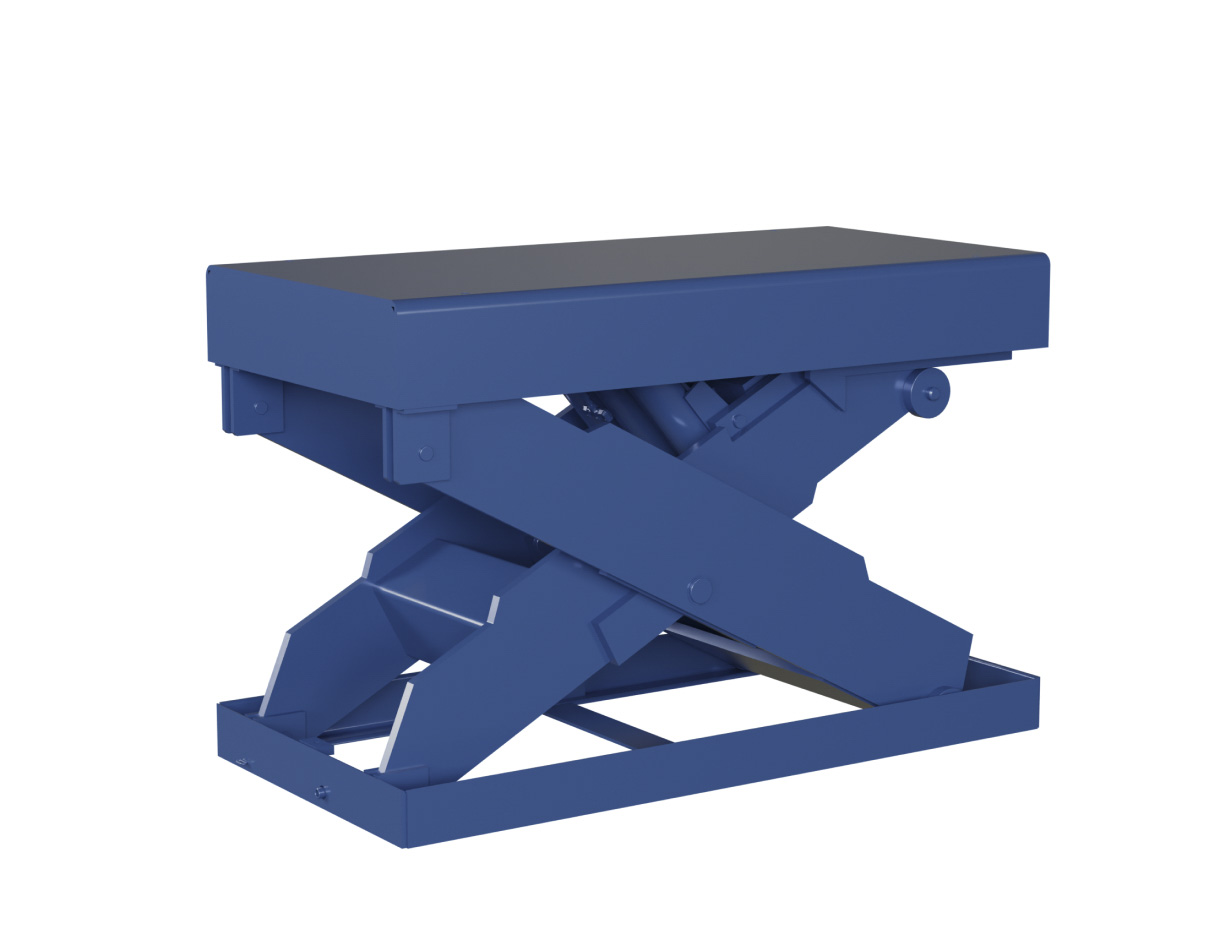
Write mechanical and process requirements separately
A cleanroom lift table must perform the handling task and satisfy the facility's process requirements. Specify load geometry and distribution, carrier, pickup and receiving heights, stroke, cycle pattern and mobility. Room classification alone does not establish a suitable table or explain how it interacts with the material being handled.
Describe exposure and movement between areas. Have the quality team identify necessary material, finish, lubricant, wheel and control requirements. A stainless tabletop does not define the whole assembly. Ask for information on joints, underside components, seals and maintenance access where those affect the cleaning or contamination-control review.
Make cleaning compatibility part of the RFQ
Provide relevant agents, contact conditions and the cleaning procedure the equipment must accommodate. Ask suppliers to identify evidence for the actual proposed configuration and any limitations. Mechanical suitability and process acceptance should be reviewed together, but neither should be inferred from a broad cleanroom product label.
Agree on acceptance documentation and responsibility before purchasing. Compare the same intended use, selected options, service requirements and included scope. Resolving these items with operations and quality helps avoid a table that can lift the load but cannot be released for its intended process because a construction or cleaning requirement was left unspecified.
| Requirement | Provide | Request evidence |
|---|---|---|
| Handling | Load, carrier, distribution and transfer heights. | Applicable rating and complete mechanical fit. |
| Process | Location, exposure and quality requirements. | Documentation tied to actual use. |
| Cleaning | Agents, methods and accessible surfaces. | Compatibility for exposed components. |
| Acceptance | Operations and quality responsibilities. | What is confirmed and what the site must verify. |
Review checklist
- Load and transfer dimensions
- Cleaning agents and methods
- Quality documentation
Buyer questions
Can I specify only a stainless tabletop?
That leaves the rest of the assembly undefined; identify which components and surfaces require particular materials or cleaning compatibility.
Is cleanroom classification enough to choose a table?
No. Translate the process, handling, cleaning and contamination concerns into specific requirements. The same room classification can contain different tasks and exposures. Ask the quality team to identify evidence and acceptance criteria and review the actual proposed assembly rather than a broad catalog label.
Should mobility between rooms be mentioned in the request?
Yes. Movement changes routes, handling, wheels and the facility's process review. Describe which areas the equipment serves and the relevant cleaning or control arrangements. Do not assume approval at one station transfers automatically to another controlled area or a different operation.
References & further reading
- FDA: sterile drug products produced by aseptic processing — CGMP guidance
- FDA: CGMP equipment design, cleaning and maintenance questions
Use the applicable requirements and the specific equipment instructions for your work. General references do not establish approval of a product or installation.