
Equipment buying & work planning
Loading Dock Equipment: Build a Site-Specific List
A dock equipment list should follow the transfer process. The facility's vehicles, handling equipment and traffic determine what belongs on it.
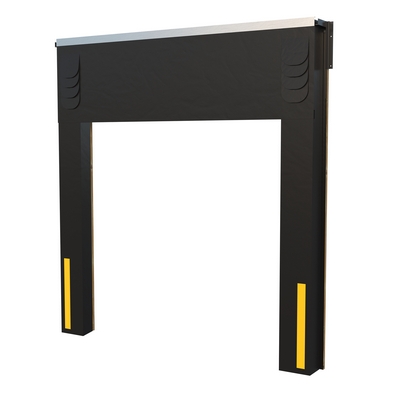
List required dock functions before choosing products
A site-specific dock list should address the vehicle interface, positioning, transfer, impact exposure, access and pedestrian movement. Identify what the current equipment already provides and where a documented gap remains. Not every dock needs the same collection of products, and a general checklist cannot establish the appropriate configuration for a particular bay.
Separate damaged components, incompatible vehicles and process delays. Waiting for an incomplete order is different from an unsuitable leveler transition. Observe representative vehicle cycles and exceptions before assigning an equipment solution. A proposed addition should resolve a defined issue without conflicting with adjacent systems.
Prioritize complete scope and operational support
For physical equipment changes, provide measured dock and vehicle information, loads and intended handling equipment. Ask proposals to identify configuration, site work, installation, inspection and maintenance access. Compare restraint, protection and transfer interfaces together where they interact rather than reviewing each item only in isolation.
Define acceptance around the original problem and the agreed configuration. Include how the bay will operate during replacement and how exceptions will be managed afterward. This gives procurement a practical list tied to facility operation and helps avoid buying equipment that leaves the actual delay or incompatible interface unresolved.
Review checklist
- Vehicle and load data
- Existing equipment condition
- Traffic and operating procedures
Buyer questions
Does every dock need the same equipment list?
No. Dock geometry, vehicle mix and loading methods can require different arrangements.
What if dock waiting time is caused by order readiness rather than equipment?
Record the cause before buying a faster component. Review staging, information and upstream flow with the teams feeding the dock. A targeted coordination trial may address the actual constraint. Compare complete vehicle cycles and keep equipment-fit or condition problems separate from goods that are not ready.
What should a dock survey produce before buying equipment?
A measured layout, vehicle and load profile, existing condition record, operating constraints and assigned questions. Include normal and exceptional transfers and identify the purpose of each proposed component. This gives suppliers a common brief and lets purchasing compare equivalent scope.
References & further reading
Use the applicable requirements and the specific equipment instructions for your work. General references do not establish approval of a product or installation.