Equipment buying & work planning
Dock Levelers: What to Specify Before Requesting a Quote
A dock leveler bridges the height difference between a loading dock and a vehicle. Its fit depends on the dock, vehicle range and handling traffic.
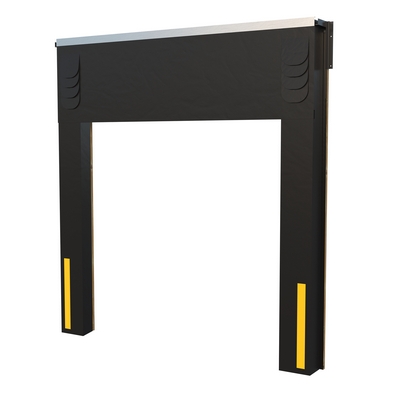
Survey the dock and vehicle range before choosing a leveler
A dock leveler must work with the building interface, vehicle bed range and loading equipment. Record pit or mounting dimensions, dock elevation, approach conditions and representative vehicles. Include occasional arrivals outside the normal range. Designing around an average vehicle can leave the facility with no suitable method for a recurring exception.
For a replacement, identify the existing unit and measure the surrounding structure separately. The old installation may have changed or served a different vehicle mix. Record loading patterns and relevant vehicle information for the supplier's capacity review. An old model number or external outline is a starting point, not a complete replacement specification.
Compare operation, installation and maintenance scope
Request information on actuation, controls, vehicle interface and required maintenance support for the actual design. Identify structural, electrical, installation and commissioning work included or excluded from the proposal. Review adjacent restraints and protective equipment as part of the dock arrangement rather than assuming a leveler replacement resolves every transfer issue.
Plan service access and equipment downtime before ordering. Compare an equipment-only amount with the full replacement scope, including site preparation and acceptance responsibilities. Keep vehicle exceptions and approved operating information available to the dock team. Resolving these details early helps avoid a new unit that fits the pit but cannot support the loading operation.
| Requirement | Evidence to collect | Supplier response needed |
|---|---|---|
| Dock interface | Measured pit or mounting and surrounding condition. | Proposed model dimensions and site assumptions. |
| Transfer | Vehicle range and loaded handling combination. | Applicable capacity and operating geometry. |
| Operation | Controls, restraint procedure and service access. | Equipment-specific operating and maintenance requirements. |
| Scope | Removal, structural and electrical work. | Included items, exclusions and acceptance responsibility. |
Review checklist
- Vehicle and load combination
- Dock and pit measurements
- Operating and maintenance arrangements
Buyer questions
Is a dock plate interchangeable with a leveler?
No. Their support, capacity and operating arrangements differ; select for the specific loading application.
Should a replacement always use the same capacity?
Review current loads, handling vehicles and duty rather than assuming the original selection still matches the operation.
Can a new leveler be ordered using only the old model number?
Use the identification as a starting point, then verify current dock dimensions, vehicle range, loads and condition. The site or operation may have changed since the original selection. Ask the proposal to address the actual replacement application rather than assuming an exact historical specification remains appropriate.
Does a higher-rated leveler solve every loading problem?
No. Transition geometry, vehicle compatibility, surrounding structure, restraints and traffic arrangements can limit the operation independently of nominal capacity. Review the complete transfer and the model's operating conditions. Extra capacity should not be used to avoid resolving an incompatible interface.
References & further reading
Use the applicable requirements and the specific equipment instructions for your work. General references do not establish approval of a product or installation.