
Equipment buying & work planning
Loading Dock Equipment: Build the Specification Around the Vehicles
The right dock equipment depends on the vehicle mix, dock geometry and transfer method. Start with the loads and vehicles the facility actually handles.
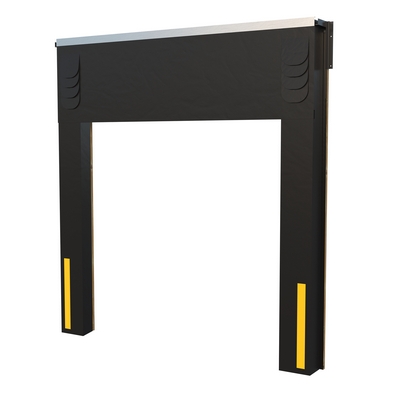
Build the equipment list from the vehicles and loads
Loading dock equipment must connect the building, vehicle and handling operation. Record vehicle types, bed-height range, approach conditions, loading frequency and the equipment moving the goods. Include occasional vehicles that need a different method. A specification based on the most common trailer can leave a recurring arrival outside the dock's usable range.
Map the transfer and the functions already provided by the dock. Review levelers, restraints, bumpers, edge protection and surrounding structure together. Replacing one component can leave another interface unresolved. Distinguish damaged equipment from a vehicle mismatch or a process delay so the purchase addresses the actual problem.
Ask suppliers to price the same complete scope
Provide measured dock dimensions, load information, vehicle details and operating requirements with the RFQ. Request confirmation of the proposed configuration, installation requirements and any exceptions. Identify structural, electrical, site-preparation and maintenance-support work separately where responsibility differs. An equipment-only proposal should not be compared directly with a complete installation amount.
Plan how the bay will operate during replacement and how acceptance will be checked. Include the vehicle exceptions and the inspection and service information needed by the dock team. Resolving these details before ordering reduces the risk of receiving new equipment that fits physically but leaves the loading method unavailable or incomplete.
Review checklist
- Dock survey
- Vehicle and handling-equipment data
- Operating and maintenance plan
Buyer questions
Can a new leveler solve an incompatible vehicle interface alone?
Not necessarily. Restraints, dock geometry, bumpers and handling methods may also require review.
Should every dock position use identical equipment?
Standardization helps where requirements match, but review vehicle mix, geometry, load and duty by position. Dedicated bays may need different arrangements. Document exceptions and approved methods instead of assuming that one reviewed transfer applies to every vehicle at every dock.
What should be checked before replacing a single dock component?
Review its interfaces with vehicles, structure, handling equipment, controls and adjacent systems. Confirm current loads and use, not only the old identification. A physical replacement can still need broader review when the operation or surrounding installation has changed since the original selection.
References & further reading
Use the applicable requirements and the specific equipment instructions for your work. General references do not establish approval of a product or installation.