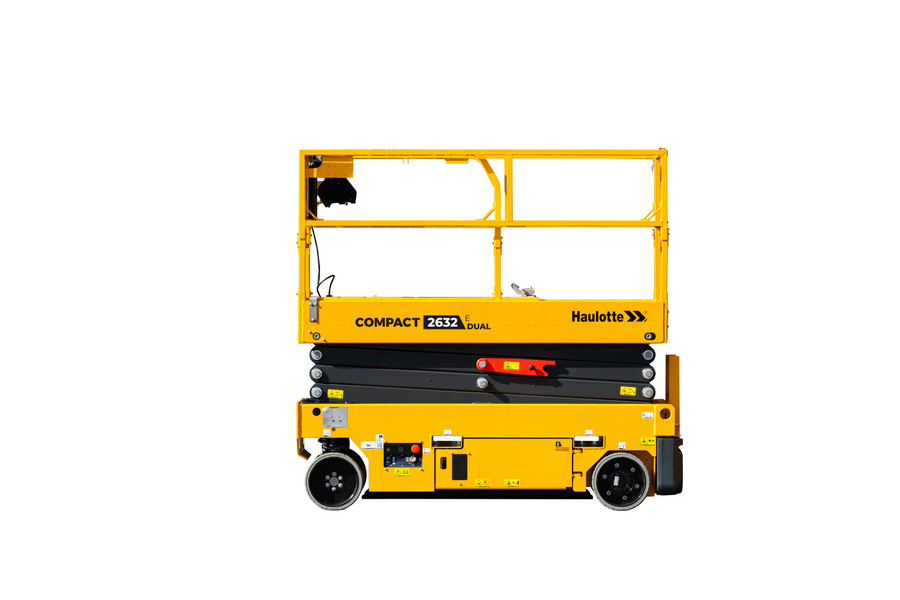
Equipment buying & work planning
Aerial Work Platform Safety: Plan the Work Envelope
Aerial platform safety starts before raising the platform. The setup position, overhead space and rescue arrangements need review alongside the equipment itself.
- Identify the model
Use its actual instructions and limits.
- Inspect condition
Resolve defects through the approved process.
- Review the site
Map support, traffic and overhead space.
- Prepare response
Confirm communication and emergency arrangements.
Separate equipment inspection from the work-area assessment
A pre-use inspection checks the condition and function of the specific machine. A work-area assessment checks the task, supporting surface, route and surrounding activity. Passing either check does not satisfy the other. A sound lift can be unsuitable for a location, while a suitable location does not make a defective machine ready for use.
Identify the actual equipment type and model before selecting a checklist. Controls, ratings, permitted environments and protective arrangements can differ. Include occupants, tools and materials in the task description, and review the entire operating envelope around structures, traffic and electrical hazards. Keep the correct instructions available to trained personnel.
Plan for changes and a stopped platform
Define how new obstructions, nearby work or changed tools are reported and reviewed. A route that was clear at setup can become unsuitable during a maintenance job. The plan should identify who can stop the activity and how a revised arrangement is communicated, rather than treating the initial survey as approval for every later condition.
Prepare communication, ground access and model-specific emergency arrangements before elevating personnel. Distinguish loss of machine control from an operator who cannot respond. Use approved instructions and the site's response plan; do not improvise an escape or transfer from a similar machine. These preparations support reliable task execution without turning a general article into an operating or rescue procedure.
| Review | Evidence | Reason to reassess |
|---|---|---|
| Equipment | Model instructions, inspection and defect status. | A reported fault, damage or changed configuration. |
| Task | Working position, load and approved operation. | Different tools, materials or required access. |
| Site | Support, route, traffic and overhead assessment. | New obstruction, opening or nearby activity. |
| Response | Communication and model-specific emergency plan. | A different machine, location or support team. |
Review checklist
- Operator authorization
- Site hazard review
- Emergency communication and lowering plan
Buyer questions
Does passing inspection authorize use anywhere?
No. Equipment condition and suitability for the specific location are separate checks.
Can one pre-use checklist cover an entire lift fleet?
A common form can organize site responsibilities, but it must connect to each model's required inspection and operating information. Do not let standardization hide different controls, limits or emergency arrangements. Identify the actual machine and the instructions used for the check.
What should happen when a new obstruction appears?
Follow the site's process to stop and reassess the affected work. Review the required envelope and controls with the changed condition, and confirm whether the current equipment and setup remain suitable. Do not use extra reach or an unapproved platform position to work around the obstruction.
References & further reading
Use the applicable requirements and the specific equipment instructions for your work. General references do not establish approval of a product or installation.