Equipment buying & work planning
If a Man Lift Stops: Prepare the Emergency Plan Before Use
A stopped elevated platform needs a planned response. The operator and ground team should know the model-specific emergency controls and communication process before starting work.
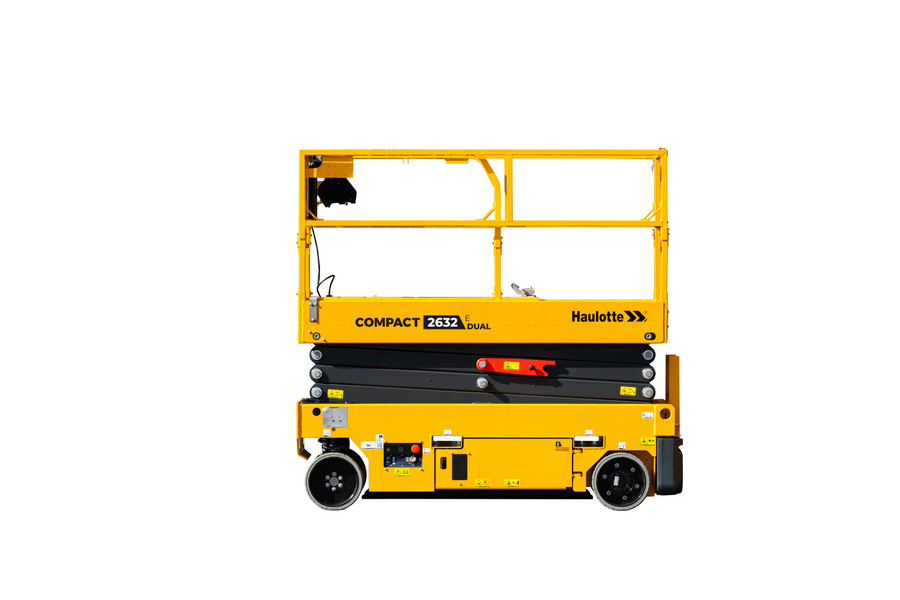
- Identify the machine
Use its actual emergency information.
- Assign support
Confirm training and communication.
- Review the location
Keep access and assistance workable.
- Control return to use
Resolve faults through the approved process.
Prepare the response before elevating personnel
A stopped elevated platform requires a response based on the actual machine and location. Identify the model, its emergency information and the personnel assigned to support the task. Distinguish power or control failure from an operator who cannot respond. The plan should not assume that the elevated person will always be able to operate controls.
Review communication, ground access and assistance arrangements before work begins. Nearby structures, traffic or restricted machinery can affect response even when the same lift is used. Changing the machine, base location or task can invalidate those assumptions, so the briefing should identify the equipment and current operating area.
Use approved instructions rather than an improvised escape
Controls and emergency procedures differ by model. Training and familiarization should use the actual equipment through the approved process. Do not infer which valve, lever or switch to operate from another machine, or improvise climbing or transfer to another structure because normal controls stop responding. Follow the site's response arrangements and appropriate emergency assistance process.
After a fault or event, use the required defect assessment and return-to-service process. Successful lowering does not prove that the machine is ready to resume operation. Keep the reported symptoms, machine identity and actions taken available for service. These preparations support maintenance readiness without turning a general planning guide into a rescue instruction.
| Element | Record | Check before work |
|---|---|---|
| Machine | Exact model and emergency information. | Instructions are applicable and available. |
| People | Trained operator and assigned support. | Communication and responsibilities are understood. |
| Location | Ground access, nearby hazards and assistance route. | The response arrangement fits this work position. |
| After an event | Defect reporting and return-to-service process. | Work does not resume on an unresolved fault. |
Review checklist
- Emergency lowering instructions
- Ground-support training
- Communication and rescue arrangements
Buyer questions
Should the operator climb down the lift structure?
Do not improvise an escape. Use the equipment-specific emergency procedure and the site's rescue plan.
Can emergency lowering be learned from a similar model?
Use the actual model's instructions and approved training. Similar appearance or a shared manufacturer does not establish identical controls or procedures. The plan should connect the machine identity, trained personnel and work location rather than relying on a general memory of another lift.
What should change when the work location changes?
Review ground access, nearby hazards, communication and assistance arrangements against the new position. The equipment-specific instructions remain necessary, but the site's response plan may need revision. Keep the assessment current instead of assuming one earlier briefing covers every setup.
References & further reading
Use the applicable requirements and the specific equipment instructions for your work. General references do not establish approval of a product or installation.