Equipment buying & work planning
Man Lift Safety: Practical Checks Without Unsupported Statistics
A safety plan does not need an alarming statistic to be useful. It needs a suitable machine, trained personnel and controls for the actual work.
Make pre-use checks specific to the machine and job
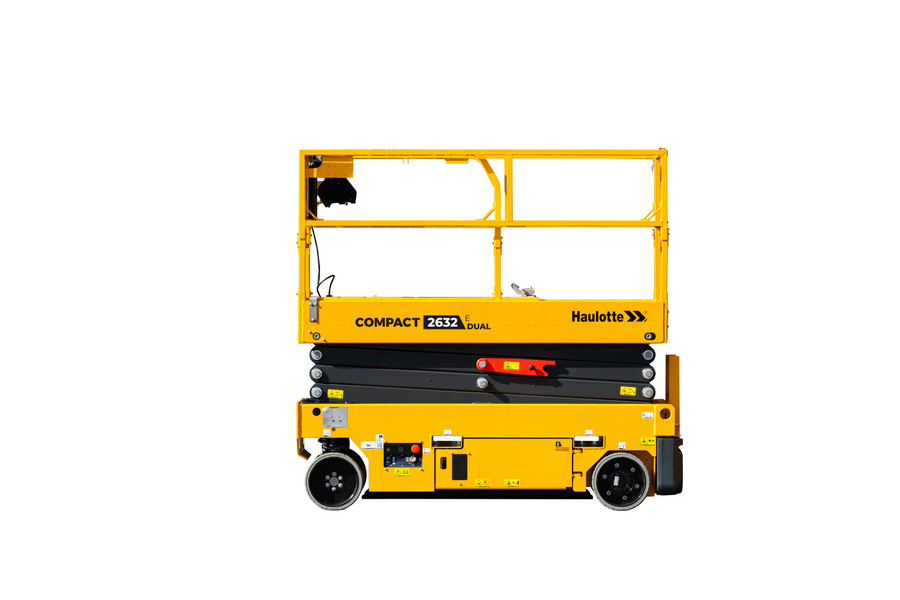
A practical man-lift review identifies the equipment, intended work, platform load and operating location. Complete the actual model's inspection and resolve defects through the site's process. A brief task is not a reason to skip preparation, and a familiar equipment name does not establish that another model uses the same controls or limitations.
Survey access, supporting conditions, traffic and overhead hazards. Include occupants, tools and materials and the required working position. If the task cannot be reached within the approved arrangement, review the method instead of using an improvised extension, standing point or transfer.
Reassess changes and keep response arrangements usable
Review significant changes in tools, materials, route and nearby work before continuing the affected operation. A short inspection and a longer repair at the same point can have different loading and space needs. Keep those tasks distinct rather than treating the original assignment as permanent coverage.
Confirm communication, access to relevant instructions and assigned support for the machine and location. After a fault or event, follow the appropriate assessment and return-to-service process. These checks support reliable work planning without relying on unsupported accident statistics or treating a general guide as an operator-training course.
Review checklist
- Equipment condition
- Site and overhead review
- Training and emergency arrangements
Buyer questions
Does a five-minute task justify skipping pre-use checks?
No. Follow required equipment and site preparation regardless of task length. Brief exposure does not establish suitable condition, load or setup. Arrange an appropriate alternative when a defect or mismatch is unresolved rather than using duration as the reason to proceed.
What should happen when the task cannot be reached within approved limits?
Reassess the equipment, setup or work method through the responsible process. Do not obtain extra height or outreach using rails, improvised additions or unapproved transfers. The actual operating limits and task arrangement need to support the work without extending capability informally.
References & further reading
Use the applicable requirements and the specific equipment instructions for your work. General references do not establish approval of a product or installation.