Equipment buying & work planning
What Is a Man Lift? Personnel Access vs. Material Lifting
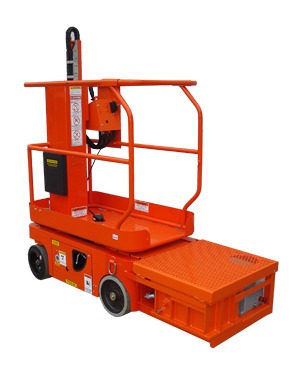
In industrial purchasing, man lift often refers broadly to equipment that elevates people for work. Confirm the exact equipment type because terminology and regulatory definitions can differ.
Distinguish personnel access from material lifting
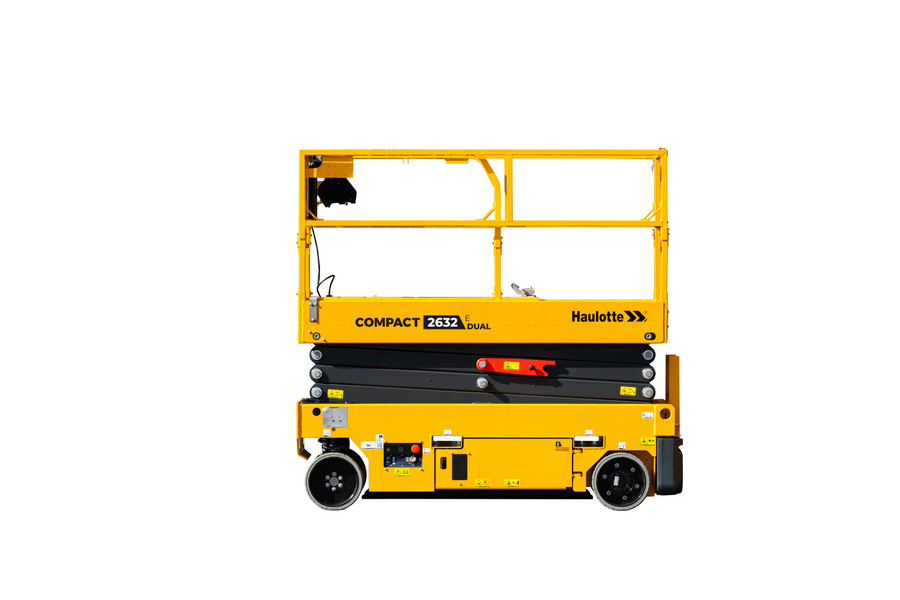
Man lift is a broad purchasing term for equipment that provides an intended personnel-access position. The actual manufacturer and regulatory terminology can be more specific. State whether the job involves people working at elevation, access to a landing or moving goods. A material lift table is not a personnel platform unless designed and approved for that use.
For personnel work, describe vertical position, outreach, obstacles, occupants, tools and materials. For goods handling, describe pickup, transfer and placement. Those are different equipment briefs even when both involve elevation. Precise function is more useful to a supplier than an unspecified request for an industrial lift.
Narrow the configuration with site and operating requirements
Measure travel, setup and working space separately. Include doors, turns, supporting conditions and environment. A machine that passes through the entry may not fit its operating position. Maximum height alone does not establish usable reach, sufficient platform space or suitability for a particular process area.
Ask the proposal to name the exact equipment type, configuration and relevant ratings and limits. Compare inspection, energy, storage and support needs for the jobs it will cover. Keep that approved coverage with the equipment at handover so an informal name does not become a reason to assign it to unreviewed personnel or materials-handling tasks.
Review checklist
- People or goods
- Elevation and outreach
- Site and operating conditions
Buyer questions
Why do definitions matter?
Different equipment can have different design, training and operating requirements even when everyday language uses the same word lift.
Is every platform that raises a load a man lift?
No. Intended use matters. Material tables, stackers and personnel-access platforms are different equipment, even if all have a raising mechanism. Confirm the actual function, rating and approval and do not assign personnel lifting to a goods device because its deck happens to reach the task.
Can a supplier help when the buyer does not know the terminology?
A clear task and measured constraints provide a useful starting point. Ask for an explanation of suitable configurations, their limits and unresolved fit questions. You do not need to invent a final design, but the actual proposed model and use should be explicit before approval.
References & further reading
Use the applicable requirements and the specific equipment instructions for your work. General references do not establish approval of a product or installation.