
Equipment buying & work planning
Choosing an Industrial Man Lift: Define the Job First
The term man lift covers different access configurations. A useful selection begins with the worker's required position, tools and task duration.
Define the normal jobs and the demanding exceptions
Start personnel-lift selection with a list of work positions, not the tallest machine available. Separate clear vertical access from jobs beyond machinery or structures. Record tools, materials, occupants and the space needed to work. A higher platform does not solve an outreach problem or an inadequate working area.
Survey routes, setup locations, supporting conditions and environmental restrictions for those jobs. Include changes between inspection and repair tasks at the same point. A machine that suits a short visual check may not provide the space or approved loading arrangement needed for component replacement. Treat those as different applications in the brief.
Compare useful coverage over the working week
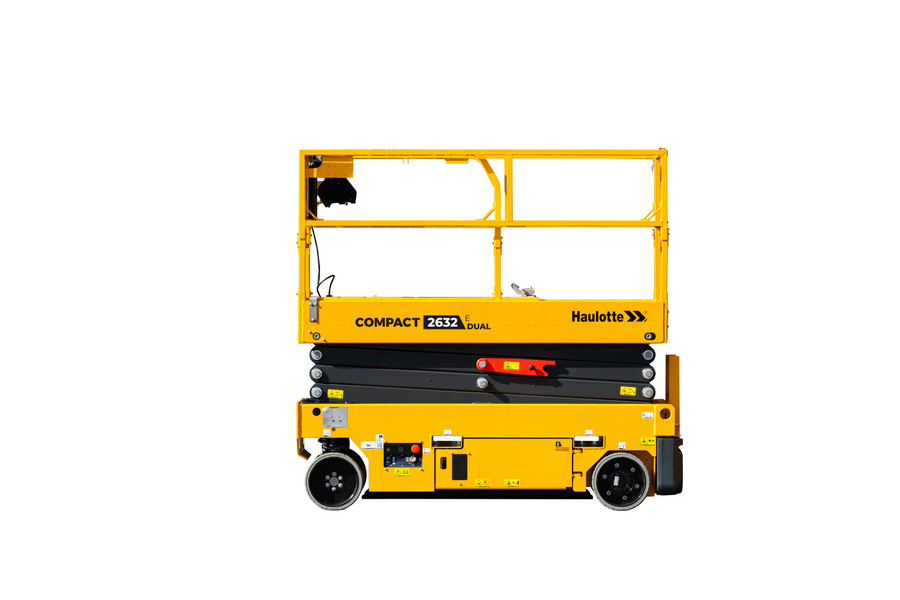
Ask each proposal to show which tasks the exact model and configuration cover and which remain unresolved or excluded. Review relevant dimensions, ratings, reach information and operating conditions. Avoid using an industry label or representative photograph as evidence that the proposed lift is suitable throughout the facility.
Compare retrieval, repositioning, energy, storage, inspection and support alongside task performance. A shared machine can reduce equipment count while introducing schedule conflicts. Document routine coverage and a separate plan for exceptional work. This supports a purchase based on actual utilization rather than paying for an extreme capability that still leaves normal access constraints unresolved.
Review checklist
- Task location and duration
- Load and working space
- Route and operating environment
Buyer questions
Can a taller lift solve an outreach problem?
Not necessarily. Maximum height does not establish the horizontal position the platform can reach.
What if a brochure uses platform height and working height?
Keep them separate and confirm how each figure relates to the actual task and approved standing position.
Should we buy for the most extreme future job imaginable?
Define realistic work and record uncertain future needs separately. A model chosen around an unlikely maximum can compromise everyday access or support cost. Compare confirmed coverage and plausible changes instead of treating unspecified future flexibility as a benefit that has already been established.
What if the correct lift category is unknown?
Provide the tasks and measured constraints without forcing a category choice. Ask suppliers to explain suitable configurations, evidence and limitations. A clear work-point, route and load brief is more useful than an uncertain equipment name and makes alternative proposals easier to evaluate consistently.
References & further reading
Use the applicable requirements and the specific equipment instructions for your work. General references do not establish approval of a product or installation.