
Equipment buying & work planning
Man Lift Applications: Why One Model Rarely Fits Every Job
Access needs vary between inspection, installation and maintenance. Similar target heights can involve very different working positions and loads.
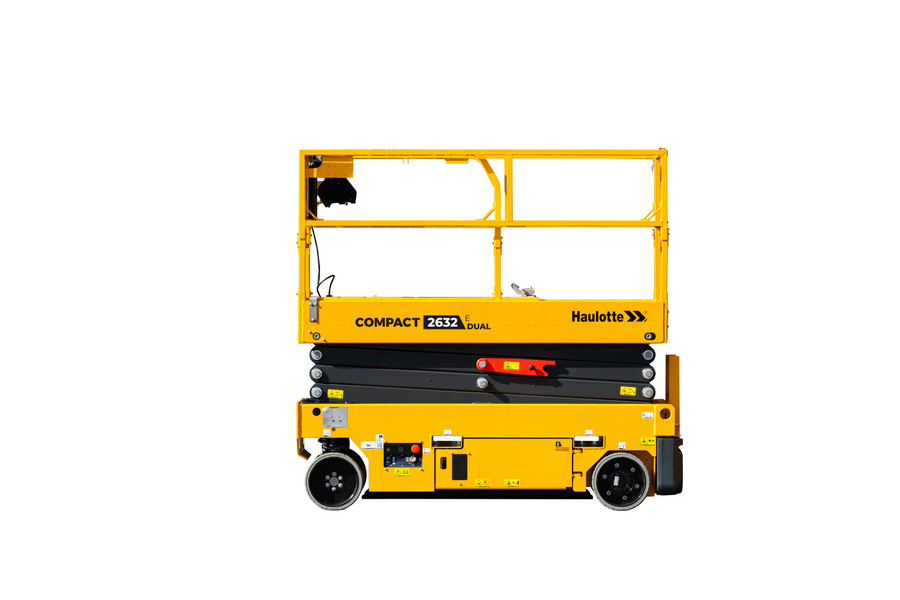
Group work by access geometry and platform needs
One lift rarely covers every job simply because it reaches the highest work point. Group clear vertical tasks, obstacle access, larger working-area needs and frequent travel separately. Record the tools, materials and occupants for each group. Maximum elevation is only one part of useful coverage.
Survey the route and setup at representative locations. Include demanding exceptions but distinguish them from recurring work. A tall machine may fail a door or operating footprint, while a compact one may lack the working space or reach required elsewhere. Ask proposals to identify covered, unresolved and excluded tasks using the same measurements.
Evaluate sharing against simultaneous demand
Map a typical work week, including retrieval, positioning, energy, inspection and storage. Sharing can reduce machine count while creating waits between departments. Evaluate whether recurring work conflicts and how exceptional jobs will be handled. Available machine hours are not the same as useful utilization.
Keep an application coverage record with the selected configuration and operating information. Review it when tasks or layouts change, rather than assigning the machine by availability alone. This supports a more practical purchase than selecting the tallest model and assuming that all future access needs will fit within its capabilities.
Review checklist
- Task groups
- Route and setup constraints
- Expected frequency and conflicts
Buyer questions
What is a useful coverage record?
Link each intended task to a verified work envelope, load, route and approved configuration, with unverified uses clearly marked.
Should the tallest lift be selected to cover future tasks?
Only if its complete dimensions, ratings, environment and ownership needs fit the realistic work. Extra height alone does not provide outreach or solve access. Keep uncertain future tasks separate and compare everyday usefulness and support rather than assuming a larger maximum guarantees better coverage.
How should approved coverage be communicated to staff?
Identify the model, configuration, reviewed task families and relevant limits with the operating information. Keep exceptions and change-review responsibilities clear. A shared machine should not be assigned every elevated task simply because it is available or was used successfully elsewhere in the building.
References & further reading
Use the applicable requirements and the specific equipment instructions for your work. General references do not establish approval of a product or installation.