Equipment buying & work planning
Aerial Lift Compliance: Documentation and Site Responsibilities
Buying a lift does not complete an employer's compliance responsibilities. Equipment selection, training, inspection and the worksite all need review.
Identify the equipment and work before applying requirements
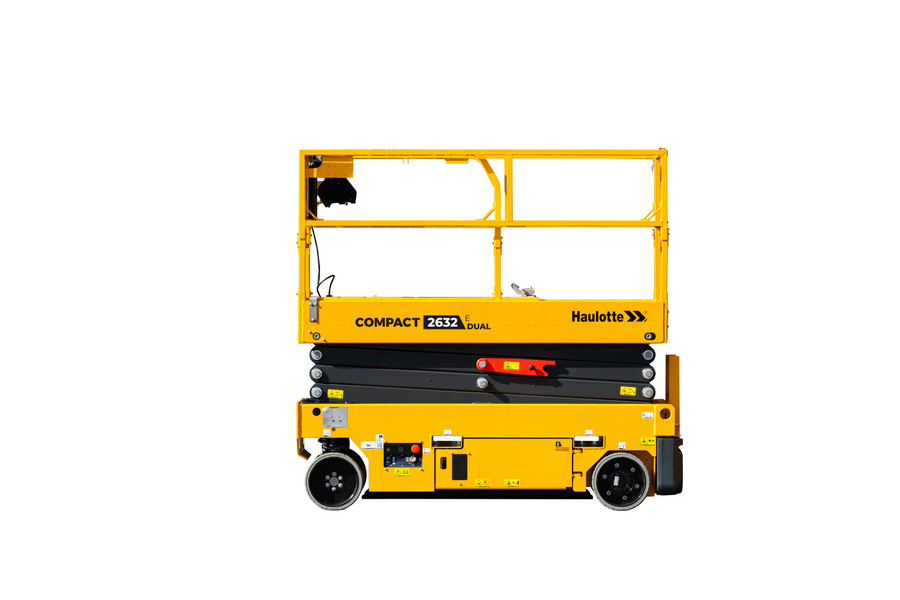
Aerial-lift compliance is not completed by buying a product with a general safety label. Identify the type, actual model, intended operation and industry context. Everyday terminology may group scissor platforms and boom-supported machines together, but that does not make their operating requirements identical.
Request the manufacturer's instructions, relevant ratings and configuration information for the proposed equipment. Keep these distinct from site duties such as operator preparation, inspection and work-area assessment. A compliant product description is not a conclusion that the machine can be used at every location within the facility.
Connect evidence to the actual operating arrangement
Keep equipment identity, inspection and defect records, training information and the site plan traceable to the relevant machine and task. Record supporting conditions, route, load, surrounding hazards and response arrangements. Resolve defects and unsuitable conditions before use instead of treating documentation as a substitute for them.
For a substitute model or changed task, review what information and preparation must change. A new location can introduce different overhead, traffic or environmental constraints without changing the machine. This gives procurement and operations a practical evidence trail and avoids extending a previous compliance conclusion to equipment or work it did not cover.
| Evidence | Connect to | Gap to avoid |
|---|---|---|
| Equipment information | Actual model and configuration. | General label used as approval for every use. |
| Inspection and defects | Condition and return-to-service process. | Passing site review mistaken for equipment readiness. |
| Training | Actual controls and assigned tasks. | Experience transferred without relevant instruction. |
| Site plan | Task, environment and response arrangements. | An old location assessment reused after change. |
Review checklist
- Equipment classification
- Training and inspection records
- Task and rescue arrangements
Buyer questions
What should a compliance file connect?
The equipment identity, applicable instructions, inspection process, training and site-specific work arrangements should be traceable to one another.
Is an OSHA-compliant product description sufficient?
No. Review what the description covers and the actual equipment, task, maintenance, training and site conditions. A general product statement cannot establish every employer duty or installation requirement. Keep applicable evidence and responsible review tied to the proposed configuration and use.
What should be checked when changing lift models?
Review controls, ratings, instructions, inspection, training, work envelope and emergency arrangements for the new equipment. Similar height or appearance does not establish equivalent use. Update records and site fit where relevant rather than carrying the previous model's conclusions over automatically.
References & further reading
Use the applicable requirements and the specific equipment instructions for your work. General references do not establish approval of a product or installation.