Equipment buying & work planning
Aerial Lift Purchasing: Build a Comparable RFQ
Two lift quotations are comparable only when they cover the same work envelope, site conditions and operating requirements. State those requirements before asking for models.
Define reach as a set of required positions
An aerial lift RFQ should distinguish platform elevation, task height and horizontal outreach. Plot the work point and any obstruction relative to a feasible machine position. Maximum height and maximum outreach may describe different points on a model's reach envelope, so they should not be combined into an assumed capability.
Describe occupants, tools and materials along with the loading arrangement. Measure access doors, turning space, setup area and supporting conditions. Include indoor or outdoor use, environmental restrictions and required movement between jobs. Those details narrow the options more effectively than a request for a lift of a particular nominal height.
Make quotation scope and lifecycle support comparable
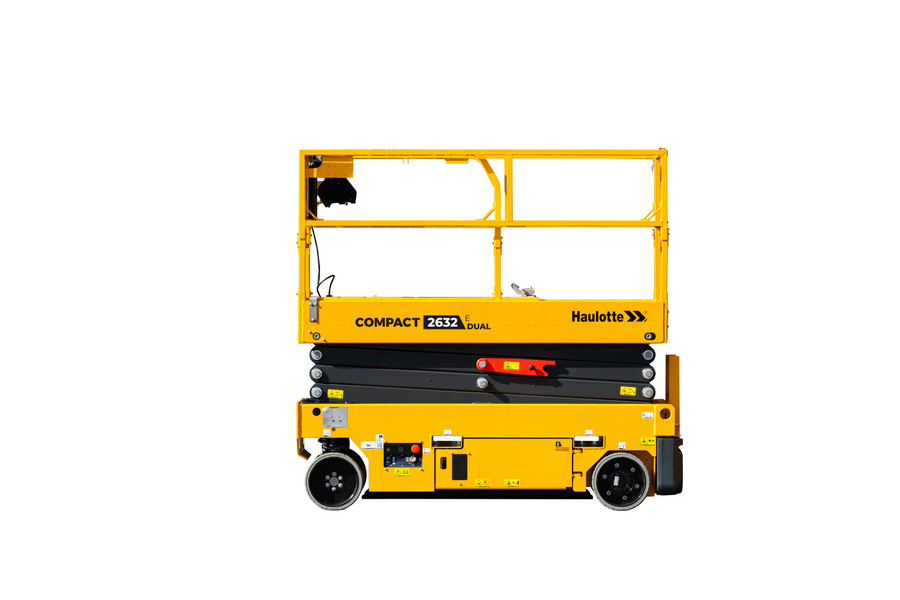
Ask each supplier to name the actual model and configuration and explain how it covers the listed tasks. Request the applicable dimensions, load information, operating limits and required site resources. Record exceptions explicitly. A representative photograph or a general equipment category does not establish coverage of a constrained work location.
Compare included options, energy requirements, inspection access, parts and service arrangements. Use the same schedule and assumptions when evaluating ownership or rental. Before ordering, resolve dimensions that control fit and responsibilities for support. A precise RFQ reduces avoidable revisions and makes differences in quoted amounts easier to explain.
| Requirement | Information to send | Response to request |
|---|---|---|
| Work envelope | Measured task points, obstacles and base positions. | Model-specific permitted positions at the intended load. |
| Route and support | Doors, turns, surface and work-area constraints. | Stowed dimensions and applicable support requirements. |
| Platform task | People, tools, materials and duration. | Rated configuration and usable working arrangement. |
| Proposal scope | Mandatory options and required documents. | Included items, exclusions and unresolved assumptions. |
Review checklist
- Work height and outreach
- Door and route dimensions
- Load, occupants and duty cycle
Buyer questions
Why do two lifts with similar height ratings perform differently?
Their reach envelopes, platform capacities and permitted setup conditions can differ significantly.
What should I do when dimensions are uncertain?
Mark them as estimates and arrange verification before approving a configuration; an unverified measurement should not become an assumed design fact.
Should an RFQ name a preferred lift model?
It can identify a known starting point, but still include the task and site requirements. Ask the supplier to confirm fit or explain an alternative. A model name should not replace measurements or cause the team to overlook a constraint the preferred equipment cannot meet.
What should be verified before an order is approved?
Resolve the required working position, ratings, route and supporting conditions, exact configuration and essential scope. Identify who checks site interfaces and delivery. Keep any outstanding question visible rather than assuming it will be solved after the equipment arrives.
References & further reading
Use the applicable requirements and the specific equipment instructions for your work. General references do not establish approval of a product or installation.