Equipment buying & work planning
How Scissor Lifts Can Support Safer Work Planning
A properly selected platform can reduce climbing and awkward access, but it also introduces vehicle, crushing and stability hazards. Evaluate the task as a complete system.
Evaluate the task benefits and the hazards introduced
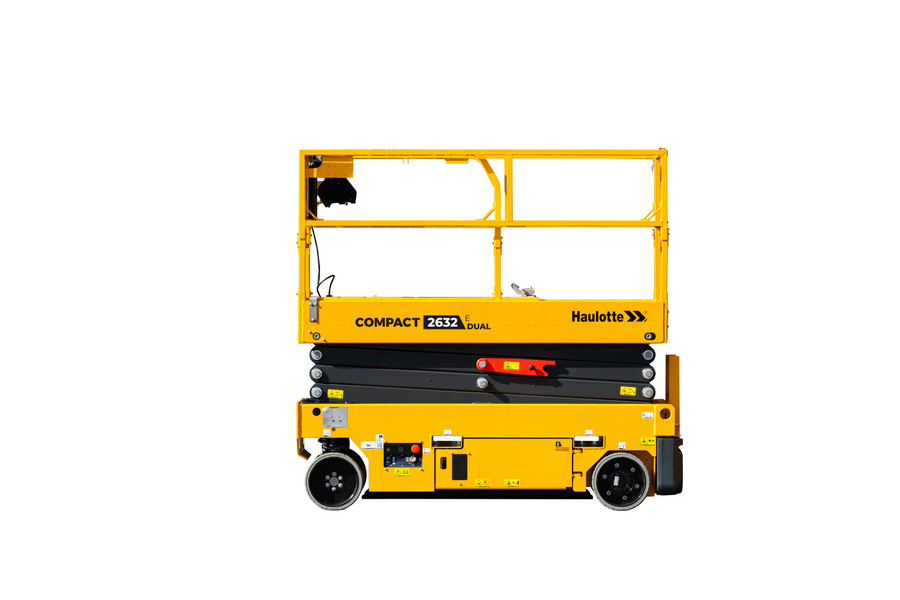
A suitable personnel scissor lift can provide a defined standing surface, room for permitted tools, controlled vertical positioning, protected working edges and repeatable access. These benefits depend on the actual model and job. A large platform does not compensate for an unsuitable floor position, restricted access or an excessive load.
Compare how workers and materials reach the task using each proposed method. Identify which exposures change and which remain. OSHA's scissor-lift guidance addresses fall protection, stabilization and positioning; it also emphasizes hazards such as crushing and electrical contact. Equipment selection is one part of preparing the operation, not a safety guarantee by itself.
Review the work envelope and operating support
Include the complete machine, overhead services, surrounding structures, pedestrians and other vehicles in the site review. Confirm the platform's permitted occupants and loading arrangement. An extension deck may have its own restrictions. Keep access, controls and required protective arrangements consistent with the actual machine instructions and applicable site requirements.
Evaluate a proposed change through representative work rather than an equipment-only demonstration. Measure positioning effort and task completion while checking new congestion or clearance problems. Keep training, inspection and emergency arrangements in the implementation plan. This connects a purchasing decision to a workable method instead of assuming that changing equipment categories automatically makes every job safer.
| Potential benefit | What must be verified | New issue to review |
|---|---|---|
| Defined working area | Usable deck, access and permitted occupants. | Crowding, tool placement and obstructed entry. |
| Vertical positioning | Required platform position within approved limits. | Contact with overhead or adjacent structures. |
| Tool accommodation | Actual load and material dimensions. | Load distribution and approved extension conditions. |
| Repeatable access | Suitable route, setup and operator procedure. | Vehicle interaction, supporting surface and emergency access. |
Review checklist
- Required working space
- Platform load and occupants
- Traffic exclusion area
Buyer questions
Are scissor lifts safer than ladders in every case?
No. The decision depends on the task, equipment configuration, site hazards and the controls in place.
Can a scissor lift eliminate fall exposure entirely?
Do not make that assumption. Review entry, working position, protection, nearby structures and the applicable requirements for the actual task. The platform's features are part of the arrangement, while training, inspection and operating controls remain necessary. Resolve any transition or access issue separately.
How should a safety-related equipment change be evaluated?
Document the hazards and controls before and after the change using the same task. Include new exposures introduced by the machine. Have the responsible site team review the complete arrangement, and keep productivity measurements separate from a claim that the operation is safer.
References & further reading
Use the applicable requirements and the specific equipment instructions for your work. General references do not establish approval of a product or installation.