Equipment buying & work planning
Scissor Lift Investment: Five Questions Before Buying
Buying a scissor lift makes sense only when a suitable model supports the actual workload. Establish task fit before comparing ownership costs.
Verify usable task coverage before calculating payback
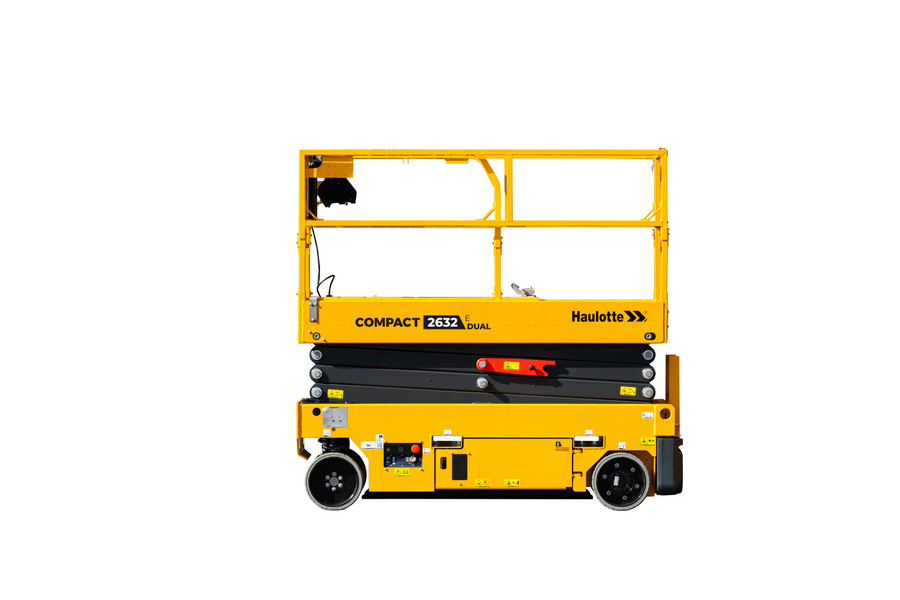
A scissor lift investment begins with task suitability. Record required elevation, platform occupants, tools, materials, route and working area. Identify jobs requiring outreach or another access method. A utilization estimate is not meaningful if it assumes the proposed machine can perform work outside its actual operating envelope.
Map when the lift is needed, including recurring maintenance, seasonal peaks and competing requests. Separate hours available from productive use. Frequent rental can reveal demand, but it does not prove that any proposed owned model will provide equivalent coverage or that ownership will cost less.
Count the resources needed to keep the lift available
Include purchase, energy, storage, inspections, maintenance, operator preparation and service support in the comparison. Review site access and the supporting-surface information for the actual model. Compare rental and ownership using the same periods, tasks and required configuration rather than different levels of equipment or support.
Test the business case under lower use or changing requirements. Keep supplier information separate from estimates and identify the assumptions that control the result. This gives management a clearer choice between buying, renting or using a mixed arrangement, instead of relying on a favorable payback figure based on full utilization throughout the year.
| Decision | Evidence | Risk to expose |
|---|---|---|
| Task coverage | Measured work and approved model limits. | Height matches while access or space does not. |
| Utilization | Actual scheduled jobs and shared demand. | Ideal availability treated as continuous use. |
| Ownership | Storage, service, charging and training. | Purchase amount treated as the complete cost. |
| Alternatives | Equivalent scope and current proposals. | Different tasks or periods compared as equal. |
Review checklist
- Frequency and duration of use
- Maintenance and storage resources
- Equivalent rental comparison
Buyer questions
Does frequent use automatically justify buying?
It strengthens the case, but model suitability, support costs and changing demand still affect the decision.
What if future work needs more outreach?
Include a changing-task scenario rather than assuming the purchased scissor configuration can serve work outside its approved access geometry.
Which internal resources should be included before buying a scissor lift?
Identify inspection, operator training, charging or energy, storage, maintenance access and service coordination for the actual model. Include these responsibilities in ownership comparison and confirm who provides them. An equipment amount and a busy schedule do not establish that the facility can support the machine appropriately.
What should count as useful utilization in a lift business case?
Count realistic supported tasks and include setup, travel, conflicts and time out of service. Available hours are not the same as productive use. Keep exceptional or unverified work separate and test a lower-use scenario so the decision does not depend only on ideal deployment.
References & further reading
Use the applicable requirements and the specific equipment instructions for your work. General references do not establish approval of a product or installation.