Equipment buying & work planning
Fall Protection Planning: Identify the Exposure Before the Equipment
Fall protection should address the work location, access route and task. A harness or guardrail is part of a system, not a standalone guarantee.
Map exposure before selecting protective components
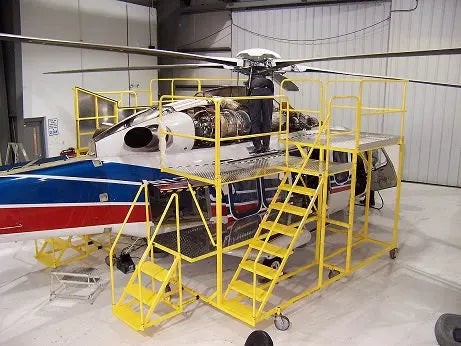
Fall protection planning starts with the task and the route to it. Identify elevated edges, openings, climbing, landings and transfers as well as the final work position. A protected platform at the destination does not resolve an exposed transition on the way there. Show how the person, tools and materials move through the complete operation.
Consider whether task layout or an appropriate protected working position can avoid an exposure before specifying personal components. Fall prevention and fall arrest are different approaches. A harness alone is not a complete system, and equipment from different applications should not be assumed compatible because the parts connect physically.
Resolve the arrangement and response through the site plan
Have the responsible safety team determine applicable requirements, compatible equipment, training, inspection and response arrangements. Include the actual access device and permitted use. Keep anchor or attachment assumptions explicit and do not treat a nearby structure or equipment surface as an approved connection without the required assessment.
Record changes in task, location, configuration or surrounding activity that require another review. For purchasing, request information for the proposed system and intended operation rather than a blanket compliance statement. This keeps procurement aligned with the site's actual protection plan and avoids acquiring isolated components that do not form a usable arrangement.
| Review area | Record | Question to resolve |
|---|---|---|
| Task route | Entry, work, transitions and exit. | Where does exposure arise or change? |
| Control method | Proposed prevention or protection arrangement. | Does it suit the actual equipment and context? |
| System | Applicable compatibility and clearance information. | Is the complete arrangement reviewed? |
| Support | Inspection, training and response responsibilities. | Can the plan be implemented at this location? |
Review checklist
- Task and access route
- Protection and component compatibility
- Inspection and rescue plan
Buyer questions
Is fall prevention the same as fall arrest?
No. Prevention aims to avoid a fall exposure; arrest systems are designed to stop a fall and require their own system review.
Is wearing a harness enough to make work at height acceptable?
No. The complete task and applicable protection arrangement need review, including compatible components, anchorage, clearance, training and rescue where relevant. Personal equipment should not be used as a reason to ignore unsuitable access or an unresolved working position.
When should a fall-protection plan be reviewed again?
Reassess changes affecting exposure, equipment, access, anchorage, clearance or response. A new task or platform position can alter the arrangement even within the same building. Keep the responsible review current rather than assuming the initial plan covers every later use.
References & further reading
Use the applicable requirements and the specific equipment instructions for your work. General references do not establish approval of a product or installation.