Equipment buying & work planning
Fall Prevention at Work: Start with the Task and Access Route
Fall prevention aims to avoid exposing workers to a fall where practicable. Review how people reach, perform and leave the work.
Trace changing exposure along the access route
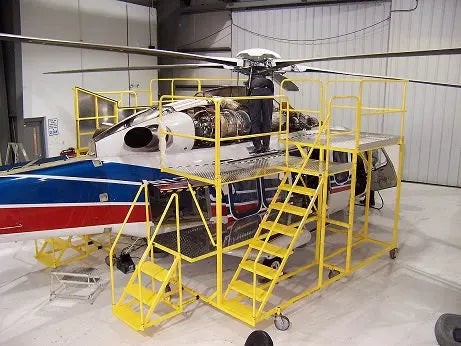
Fall prevention begins with the task and how people reach it. Show climbing, landings, entry, work edges, openings and transfers. Identify where protection or conditions change along the route. A satisfactory final working position does not resolve an exposed transition earlier in the operation.
Consider whether the layout, task method or appropriate protected access can avoid an exposure before selecting personal components. Different ladders, platforms, lifts and locations may need different arrangements. Protective equipment should not be treated as compensation for an access method that does not fit the work.
Keep the selected arrangement connected to changing work
Have the responsible safety team establish applicable controls, training, inspection and response arrangements for the actual task. Identify relevant structures, equipment interfaces and limitations. Do not infer that nearby components or surfaces provide an approved connection or that one general protection plan covers every use.
Record changes in task, route, configuration and surrounding activity that require review. For procurement, state the access function and evidence needed for the proposed arrangement. This helps the facility acquire appropriate equipment within a complete work plan rather than buying isolated components and assuming that their presence establishes fall prevention.
Review checklist
- Complete work route
- Applicable protection method
- Inspection and rescue responsibilities
Buyer questions
Can protective equipment compensate for poor access?
It should not be treated as a reason to ignore an unsuitable access arrangement; review the complete task.
What should a fall-prevention plan identify?
Record the task, access route, exposures, selected controls, inspection requirements and the responsibilities for training and response.
Why do access transitions need a separate fall-exposure review?
Moving from a ladder or platform to another surface can create a condition different from the main working position. Map entry, passage and exit and use the applicable instructions and responsible task review. Protection at the final point does not automatically cover the whole route.
What changes should be captured in a fall-protection review record?
Identify changes to task, route, equipment, surrounding openings and the selected system, along with who reviews them. Keep relevant compatibility, clearance and response information current. A documented original arrangement should not become assumed approval for a later configuration with different exposure.
References & further reading
Use the applicable requirements and the specific equipment instructions for your work. General references do not establish approval of a product or installation.