
Equipment buying & work planning
Buying Lifts: Separate Personnel Access from Material Handling
The first purchasing decision is what the lift must carry and accomplish. Personnel platforms and material lifts have different intended uses.
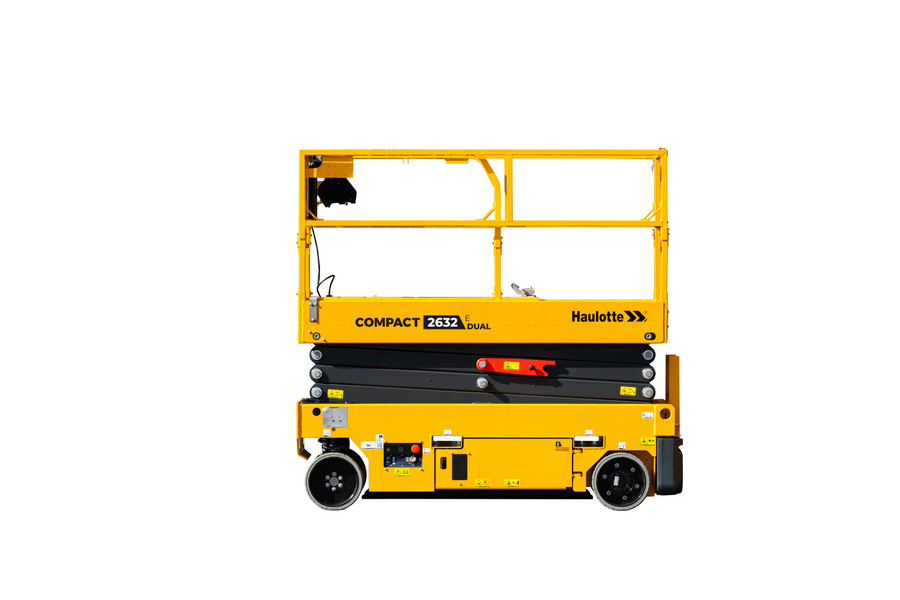
Separate personnel access from goods handling in the brief
The word lift covers equipment with different intended functions. For people, describe the working position, outreach, occupants, tools and environment. For goods, describe mass, distribution, carrier, pickup, travel and placement. Equipment that raises a load is not automatically designed or approved to carry a person.
A department may need both functions, but they should have clearly separated requirements. Record the complete route and interfaces for each. Similar height and capacity figures do not establish interchangeable controls, access protection, loading or installation requirements.
Compare complete proposals rather than broad product names
Ask suppliers to identify the actual equipment type, model, rated configuration and operating limitations. If only height and load are initially known, mark the remaining task and site questions for resolution instead of assuming a category. Provide sketches, carriers and surrounding equipment so interfaces can be reviewed.
Compare installation, energy, service, inspection and documentation as relevant to the proposed design. Retain task coverage and exceptions with the purchase. A precise functional brief reduces the risk of ordering a familiar lift name that reaches the required level but cannot support the intended personnel or materials operation.
| Decision | Personnel access brief | Material handling brief |
|---|---|---|
| Function | Where the person must stand and work. | How goods engage, move and release. |
| Load | People, tools and permitted materials. | Weight, distribution, carrier and geometry. |
| Interfaces | Entry, work envelope and site. | Pickup, transfer, route and destination. |
| Evidence | Model-specific intended use and limits. | Applicable rating and complete handling compatibility. |
Review checklist
- People or material
- Required movement and load
- Site and support conditions
Buyer questions
Can a material lift be used for occasional personnel access?
Only if specifically designed and approved for personnel lifting; occasional use does not create that approval.
What if the same department needs both functions?
Evaluate approved equipment for each function; shared ownership does not make personnel and material lifting interchangeable.
Should one RFQ combine personnel access and material handling tasks?
Describe the functions separately and ask for appropriate approved equipment for each. Shared ownership does not make the functions interchangeable. Identify people or goods, movement, loads and interfaces so a proposal cannot obscure that one task remains outside the intended use of the suggested device.
What if the buyer only knows the required height and load?
Add the intended function, load geometry, task or transfer points, route, setup and environment. Mark unknowns for review. Ask suppliers to explain the exact proposed configuration and its boundaries so a broad lift inquiry becomes a comparable, application-based request.