Equipment buying & work planning
Aircraft Maintenance Platforms: Review Access, Gaps and Movement
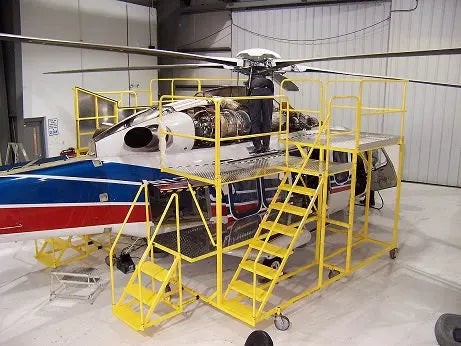
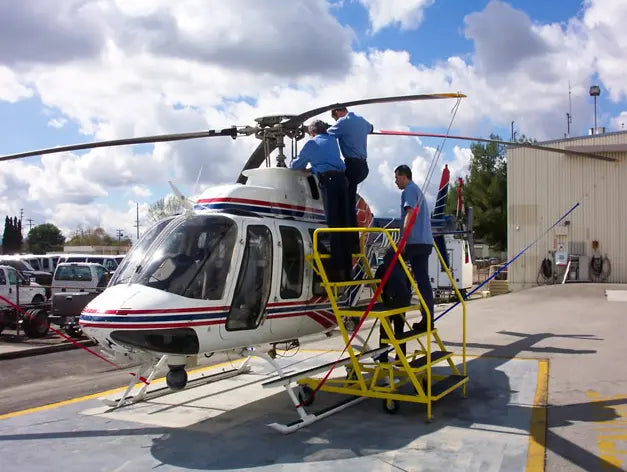
Aircraft platforms should be assessed beside the aircraft in its maintenance configuration. A platform that fits a parked aircraft may not fit when panels, doors or controls move.
- Show the service state
Include panels, gaps and component paths.
- Review platform fit
Confirm the intended working arrangement.
- Coordinate crews
Control shared space and movements.
- Reassess changes
Keep the task and approved configuration aligned.
Map access, gaps and component movement together
An aircraft maintenance platform must fit the service state used by the crew. Show opened panels, removed components, tools and changing clearances at the working edge. Include the approach and exit route as well as the final deck position. A platform can reach the task while leaving an unsuitable gap or obstructing another required operation.
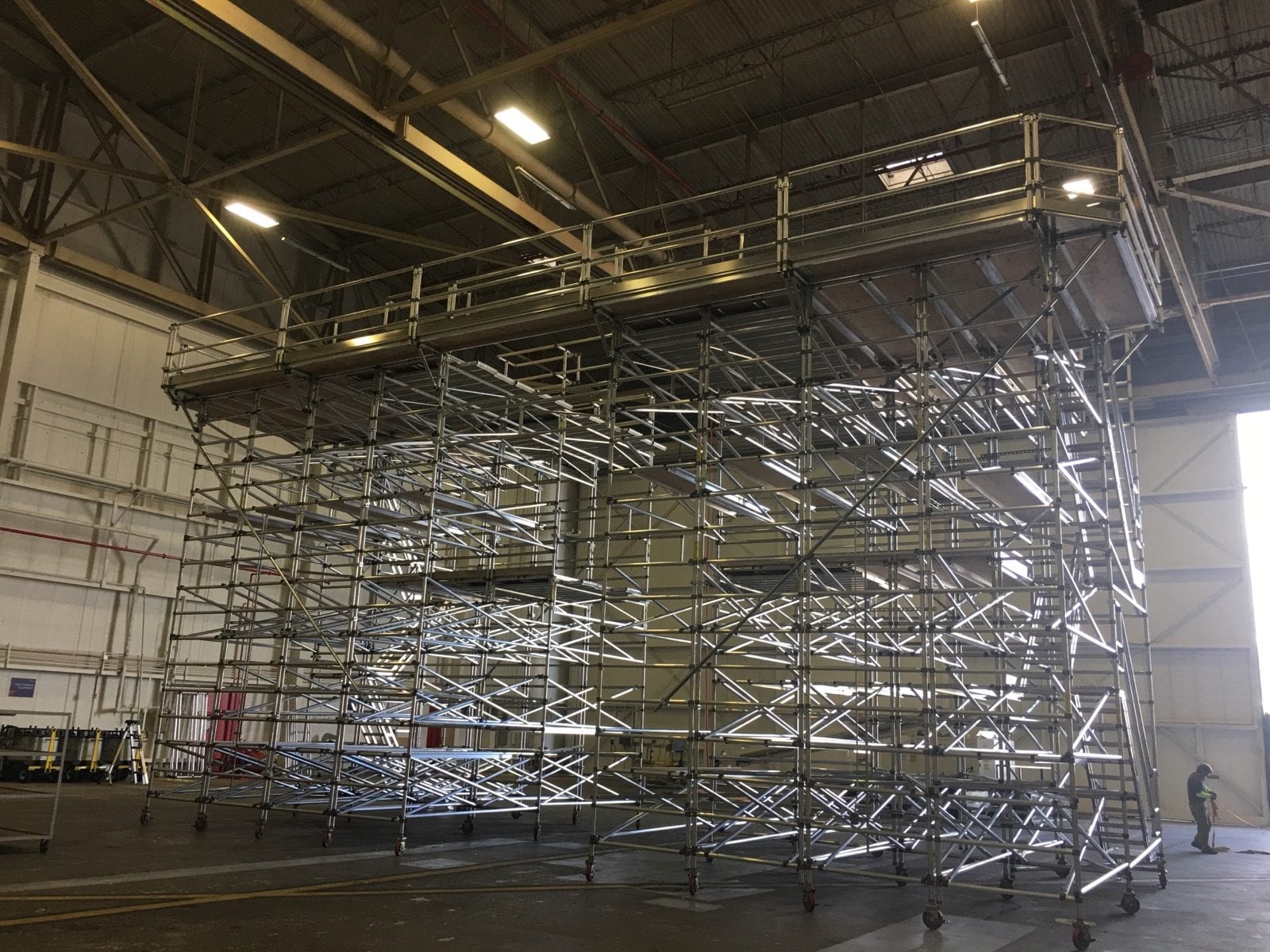
Review how people and parts enter the deck without blocking access or relying on aircraft surfaces as improvised standing areas. Confirm usable deck space, approved loads and the proposed edge protection. A larger platform is not automatically more suitable if its base, rails or positioning route conflict with the aircraft or adjacent ground equipment.
Coordinate shared hangar activity before positioning equipment
Assign inspection, positioning, locking and removal responsibilities. Review simultaneous maintenance, aircraft movement and nearby support vehicles with the responsible teams. A stand moved for one crew can change another crew's route or working edge. Keep approved positions and conditions for repositioning clear in the maintenance plan.
Use the same aircraft configuration and service tasks when comparing quotations. Request drawings showing the actual interfaces and document outstanding dimensions before approval. Acceptance should check the delivered configuration against that scope. Preparing these details reduces the risk of access equipment becoming the constraint that interrupts an otherwise ready maintenance task.
| Review area | Information to show | Unresolved issue to flag |
|---|---|---|
| Aircraft interface | Variant, service state, open panels and working edge. | Fit inferred from a different configuration or model. |
| Task space | People, tools, removed parts and component paths. | Deck area that becomes blocked during the work. |
| Shared area | Other crews, platforms and emergency routes. | A movement that changes another team's clearance. |
| Acceptance | Approved drawing, configuration and inspection information. | Delivered equipment differing from the reviewed arrangement. |
Review checklist
- Aircraft configuration
- Work-edge and panel clearance
- Platform positioning procedure
Buyer questions
Can a platform remain in place during aircraft movement?
Only under an approved procedure that addresses the specific equipment and aircraft clearances.
What changes should trigger another access review?
Aircraft movement, configuration changes, different service tasks and repositioned ground equipment can all change fit or exposure.
Can a platform remain positioned for the whole maintenance visit?
Only where the approved plan covers the changing tasks and aircraft configurations. Review panel movement, component handling and other crews' needs. A position suitable at the start may later obstruct access or create a different gap. Follow the coordinated procedure for checking and changing the arrangement.
What should a platform fit review document?
Identify the aircraft variant, task, service configuration, platform position, clearances and any limitations. Keep the approved drawing and equipment identity linked to the review. Mark unresolved interfaces explicitly so general reach or a representative photograph is not mistaken for verified compatibility.
References & further reading
Use the applicable requirements and the specific equipment instructions for your work. General references do not establish approval of a product or installation.