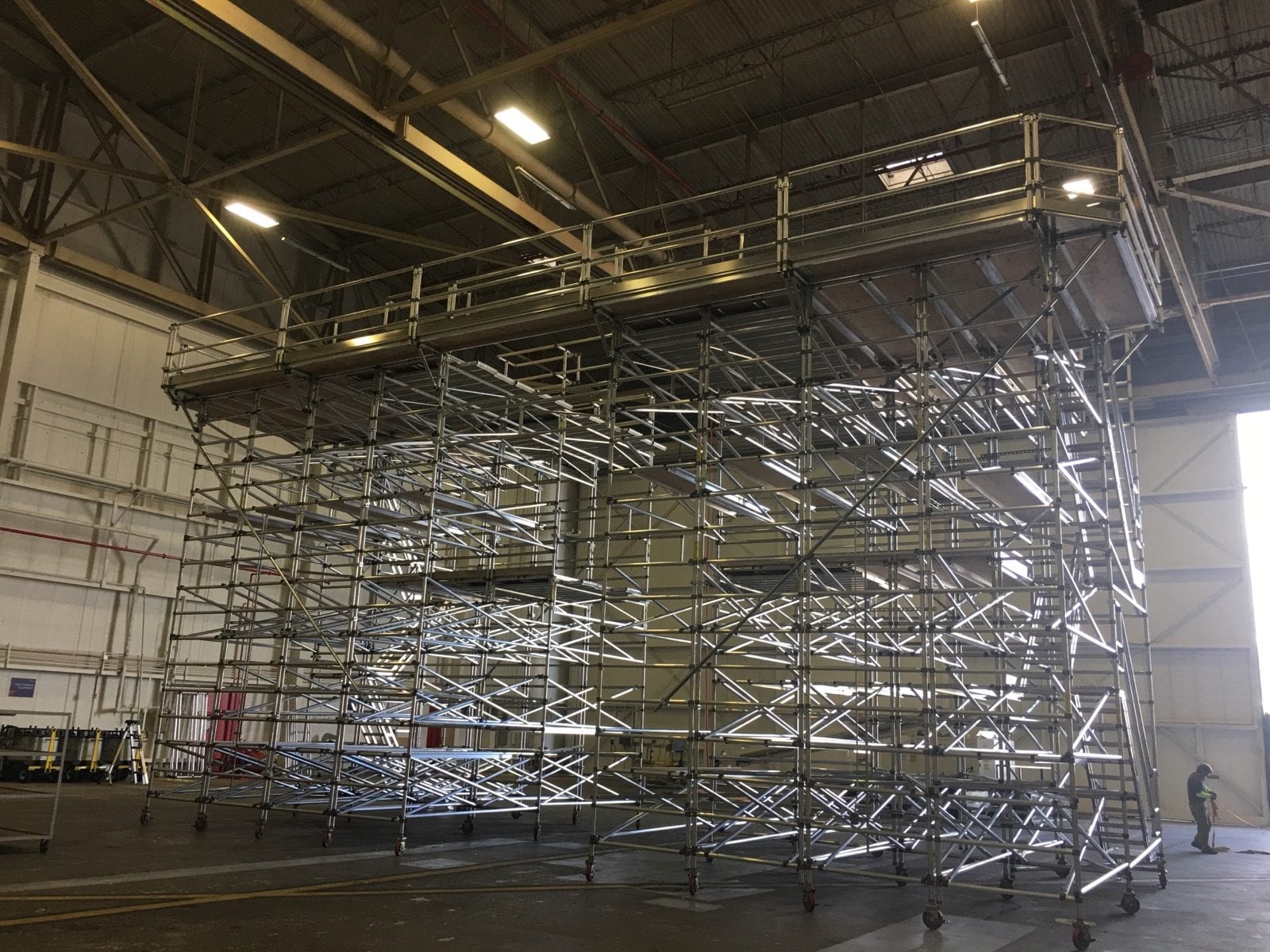
Equipment buying & work planning
Aircraft Maintenance Stands: Organize by Service Task
Aircraft maintenance stands should be compared by service location and technician position. Engine access, rotor-area work and fuselage inspection do not necessarily need the same platform.
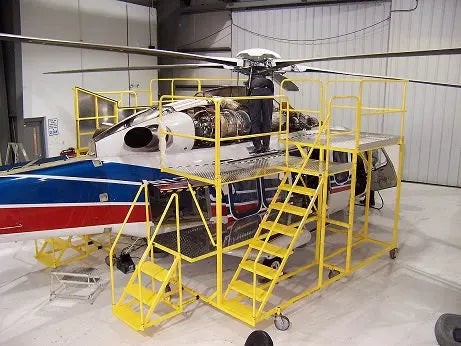
- List service tasks
Record aircraft and working interfaces.
- Map the schedule
Identify shared and simultaneous demand.
- Compare arrangements
Include dedicated and adjustable options.
- Document coverage
Keep verified uses and limitations visible.
Allocate stands by service task and aircraft configuration
A maintenance stand should be selected for the work performed at a service point, not solely for the aircraft's overall height. List the aircraft variants, approach directions, open panels, tools and components involved. Record working elevation, deck space and the clearances that change during the maintenance sequence. A common adjustment range does not establish fit across an entire fleet.
Create a task-and-equipment matrix showing which stand serves each operation. Identify simultaneous jobs and access routes occupied by other crews. A shared stand can reduce the number of units purchased while creating waiting, repeated adjustment or movement conflicts. Those effects belong in the equipment plan before the purchasing comparison is finalized.
Compare dedicated and adjustable stands against the schedule
For a frequently repeated service operation, evaluate whether a dedicated configuration reduces setup without compromising access elsewhere. For variable work, review the adjustment method, securing arrangements and time required to change configurations. Confirm each intended aircraft interface using the proposed drawing and applicable equipment information rather than a photograph of another installation.
Include storage, inspection access and selected options in the quotation. At acceptance, verify the actual stand and its configuration against the approved scope. Keep supported aircraft-and-task combinations available to the maintenance team. This links the purchase to usable maintenance capacity instead of assuming that fewer stands or a larger height range automatically improves efficiency.
| Input | Record | Why it affects allocation |
|---|---|---|
| Service point | Aircraft, variant, task and approach. | Determines geometry beyond nominal height. |
| Working needs | Tools, parts, duration and intended users. | Determines usable area and rated configuration. |
| Timing | Concurrent tasks and repositioning frequency. | Shows whether sharing creates a queue. |
| Coverage | Verified configurations and outstanding fit questions. | Prevents a shared stand being assumed universal. |
Review checklist
- Service location and height
- Tools and working space
- Repositioning frequency
Buyer questions
Is one stand enough for a mixed fleet?
Sometimes, but only after verifying its adjustment range and geometry against every intended aircraft configuration.
What makes a useful stand schedule?
Record aircraft, task, required configuration, expected use period and any competing demand for the same equipment.
How can we justify a dedicated aircraft stand?
Document a recurring fit or availability need. Include setup, repositioning, simultaneous maintenance and storage rather than relying only on purchase amount. A dedicated stand can be useful where it supports a defined task consistently, but the aircraft interface and support requirements still need review.
Does an adjustable height range establish fleet coverage?
No. The base, access, platform geometry, rails and aircraft-facing clearances must also fit each intended configuration. Record the reviewed combinations and limits. A stand that can reach a service point may still obstruct a panel or provide an unsuitable working position there.