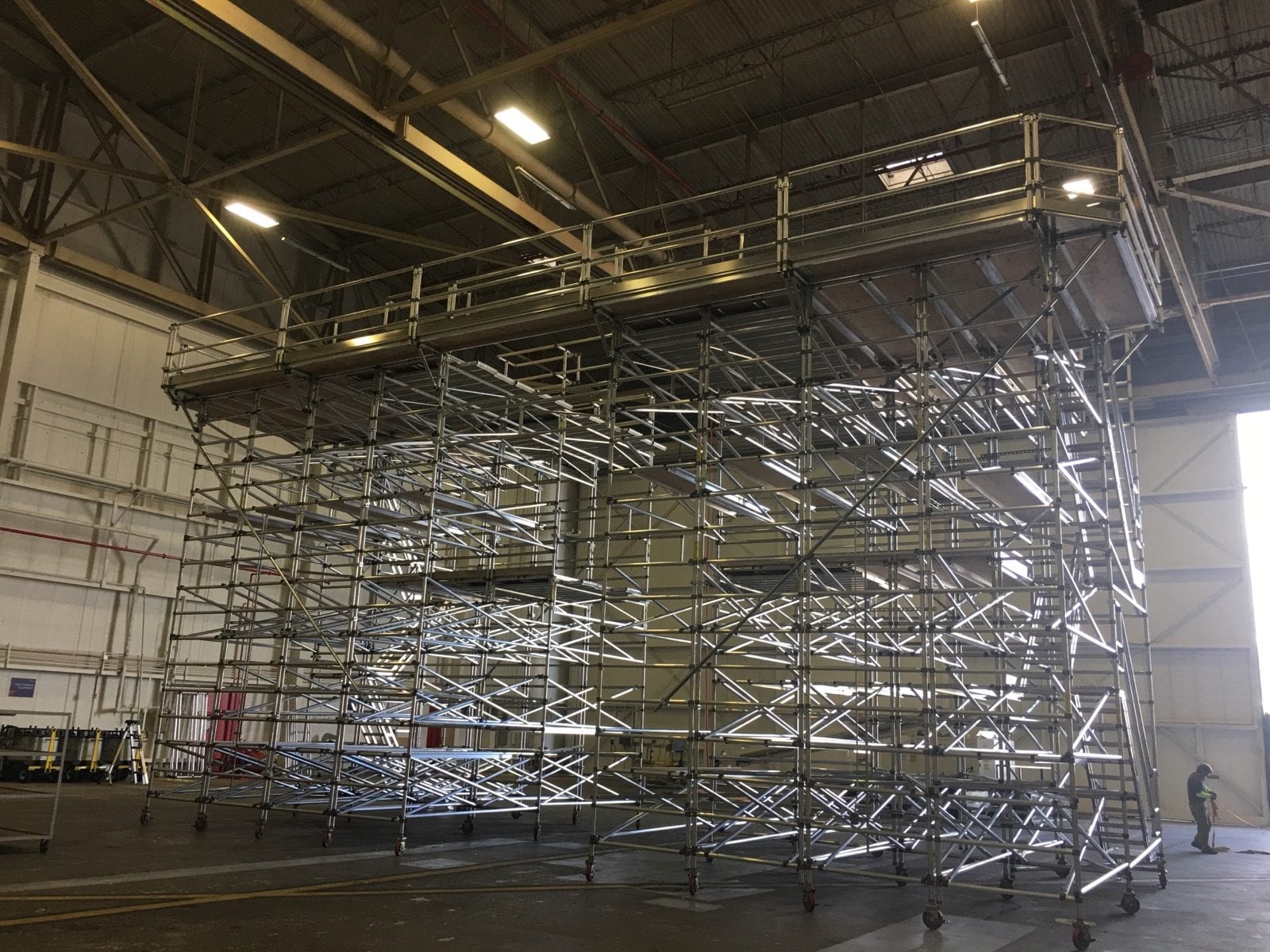
Equipment buying & work planning
Aircraft Maintenance Stands: A Buyer's Fit Review
A maintenance stand should support a defined task on identified aircraft. Begin with the aircraft variant and service configuration, then evaluate the platform rather than buying by nominal height.
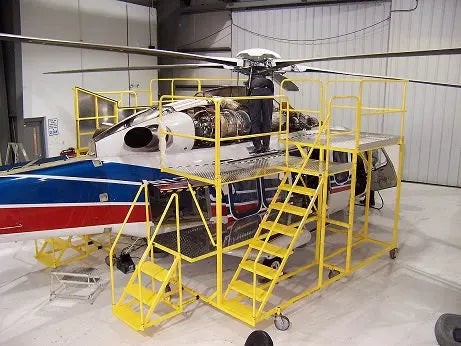
Build the fit review around aircraft-and-task combinations
A stand's maximum height does not establish aircraft compatibility. Record the aircraft variant, service location, required approach, projections and maintenance configuration. Include doors and panels that open, tool space and removed components. Draw the intended standing area and access route relative to the aircraft rather than asking a supplier to interpret a general fleet description.
List each intended application as supported, unresolved or excluded. A shared stand that covers routine inspections may not cover a repair requiring larger tools or component handling. Identify those exceptions before comparing fleet-wide quantities. Similar service heights can conceal different landing geometry, rail positions or base clearances.
Define acceptance before the stand is needed for a job
Request drawings showing platform dimensions, adjustment positions, locking arrangements and the aircraft-facing interface. Compare the selected options with the quotation and identify who verifies outstanding measurements. At acceptance, check the delivered model and configuration against that approved information; do not wait for the first scheduled maintenance task to discover a mismatch.
Plan storage, inspection and movement responsibilities alongside the purchase. Keep the approved task coverage available when crews allocate equipment. A clear fit record supports consistent use and makes later changes easier to assess. It also helps procurement compare a lower equipment amount with a proposal that includes the options and documentation needed for the actual work.
| Stage | Useful evidence | Question to close |
|---|---|---|
| Requirements | Aircraft variants, tasks and configuration matrix. | Which combinations must the stand serve? |
| Proposal | Dimensioned interface and actual model information. | What remains assumed or unverified? |
| Acceptance | Delivered identity, options and approved drawing. | Does the supplied arrangement match the reviewed one? |
| Ongoing use | Instructions, inspection and application boundaries. | When does a changed task require another review? |
Review checklist
- Aircraft and task identification
- Dimensioned interface
- Acceptance and inspection criteria
Buyer questions
What proves a stand fits our aircraft?
An approved interface drawing and an appropriate fit review provide more useful evidence than a general compatibility claim.
What should acceptance include?
Compare the delivered equipment with the approved specification and fit-review process, including dimensions, adjustment, locks and intended aircraft interfaces.
What if one stand covers most aircraft but not every task?
Document the suitable combinations and provide another approved method for exceptions. Do not conceal the gap with a broad compatibility statement. Compare the frequency and importance of the uncovered tasks when deciding whether a second stand or another configuration is justified.
Should acceptance wait until the stand is already needed?
Plan acceptance before ordering so the equipment, documents and site interfaces can be checked in a controlled way. Identify who verifies dimensions and task fit and how discrepancies are resolved. Urgent maintenance demand should not turn unverified assumptions into routine operating practice.