Equipment buying & work planning
Scissor, Articulating and Telescoping Lifts: Compare Access Geometry
Choose among lift configurations by mapping the task and the base location. Equipment names are less useful than the position the platform must reach.
Use access geometry to organize the three options
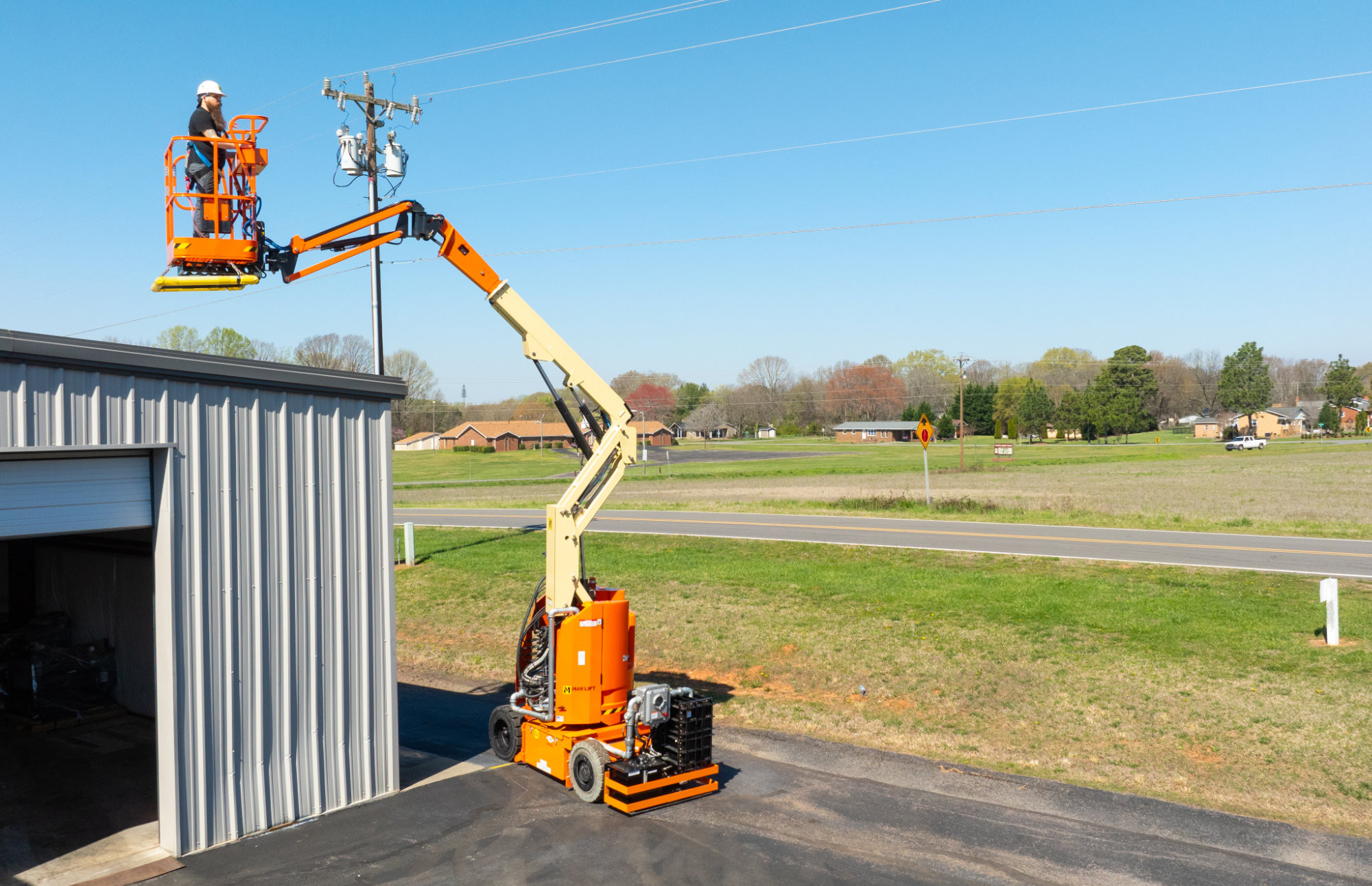
A personnel scissor platform provides vertical movement, an articulating boom uses jointed geometry, and a telescoping boom extends along a more direct path. These distinctions help organize the shortlist, but the actual model determines reach, platform load and permitted environment. No mechanism establishes a universal occupancy, capacity or safety advantage.
Plot the work point, obstacles and feasible base locations. Include the movement needed to reach the task, not just its final position. A machine can achieve a nominal height while failing outreach, platform space or setup. Use the manufacturer's actual operating information rather than combining separate brochure maximums.
Compare real jobs and the daily support required
Provide normal tasks and demanding exceptions with occupants, tools and materials. Ask each proposal to identify covered, unresolved and excluded applications. A large scissor deck is not a substitute for a boom's geometry, while additional reach does not guarantee enough working area for the intended materials.
Include stowed access, supporting conditions, retrieval, training, inspection, energy and storage in the comparison. Keep equipment classification and operating requirements clear even where everyday terminology groups machines together as aerial lifts. The goal is documented coverage of the facility's work, not selecting one lift type as the best for every situation.
Review checklist
- Target position
- Obstacle and base geometry
- Rated load and site limits
Buyer questions
Can a comparison table replace the model manual?
No. It helps narrow options, but the actual instructions, ratings and site conditions still require review.
Is one lift type safest for every job?
No. Suitability depends on the task, actual model, site and controls. Compare the approved operating conditions and requirements for the equipment being proposed. A mechanism can solve one access problem while introducing different setup or movement constraints that the work plan must address.
How should a first-time buyer compare different mechanisms?
Provide a measured task brief and ask each candidate to show the required positions at the intended load. Include route, setup, environment and platform needs. Use the comparison to narrow options, then verify the specific model and instructions rather than using the category overview as final approval.
References & further reading
Use the applicable requirements and the specific equipment instructions for your work. General references do not establish approval of a product or installation.