Equipment buying & work planning
Man Lift and Ladder Safety: Use the Right Checklist
Ladders and powered personnel lifts have different operating methods and hazards. A shared instruction to be careful is not enough to cover both.

Use equipment-specific requirements for one common task
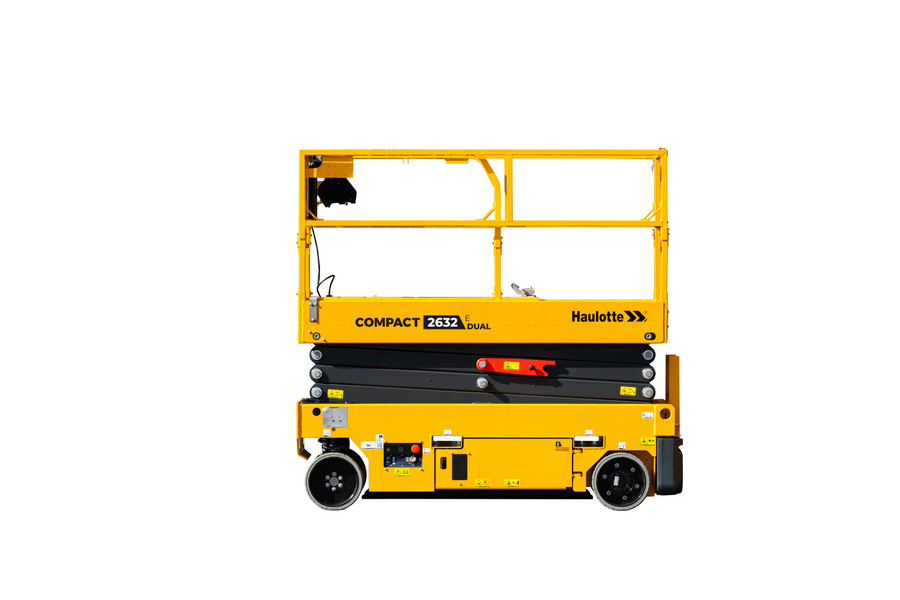
Ladders and powered personnel lifts have different setup methods, controls and operating limits. Ladder experience should not be treated as qualification to operate an unfamiliar personnel lift. Identify the actual equipment and applicable instructions before comparing access methods for a job. A shared reminder to be careful does not resolve those differences.
For either method, describe standing position, reach, tools, materials and the route to the work. Review supporting conditions, surrounding activity and access. A powered platform may offer more working space while introducing its own setup and control requirements. No category is automatically suitable because it appears more substantial.
Address goods transfer and recurring improvisation
Observe how tools and parts reach the task and how they are removed. Repeated overreach, obstructive carried goods or improvised stepping are reasons to review the work method. A higher load rating or more platform height does not correct every transfer problem. Keep personnel access distinct from equipment intended only to move materials.
Compare complete arrangements, including inspection, training, securing or operation, and required support. Document supported tasks and exceptions. This helps procurement select an appropriate method and gives supervisors a practical basis for deciding when changed work requires another review instead of extending an earlier equipment choice informally.
| Element | Ladder question | Powered-platform question |
|---|---|---|
| Identity | Which model and intended standing use? | Which model, controls and operating limits? |
| Setup | Placement and approved securing? | Base, support and work envelope? |
| Task | Reach, carrying and duration? | Platform load, space and movement? |
| Support | Inspection and defect process? | Training, inspection and emergency arrangements? |
Review checklist
- Equipment identification
- Task and site review
- Training and emergency requirements
Buyer questions
Can ladder experience qualify a worker to operate a personnel lift?
No. Training and familiarization must address the actual equipment and applicable requirements. Powered platforms introduce model-specific controls, limits and response arrangements. Do not transfer authorization simply because the worker is comfortable at height or has used a different access device.
What if a task keeps requiring an improvised transfer?
Stop and review the access and material-handling method through the responsible process. Identify load, geometry and tools and provide an appropriate approved arrangement. Repeated improvisation suggests the planned job is incomplete; it should not become an accepted extension of the equipment's intended use.
References & further reading
Use the applicable requirements and the specific equipment instructions for your work. General references do not establish approval of a product or installation.