
Equipment buying & work planning
Scissor Lift Tables and Safety: Review the Complete Workstation
A lift table may improve load positioning while introducing pinch points and transfer hazards. Assess the table as part of the workstation.
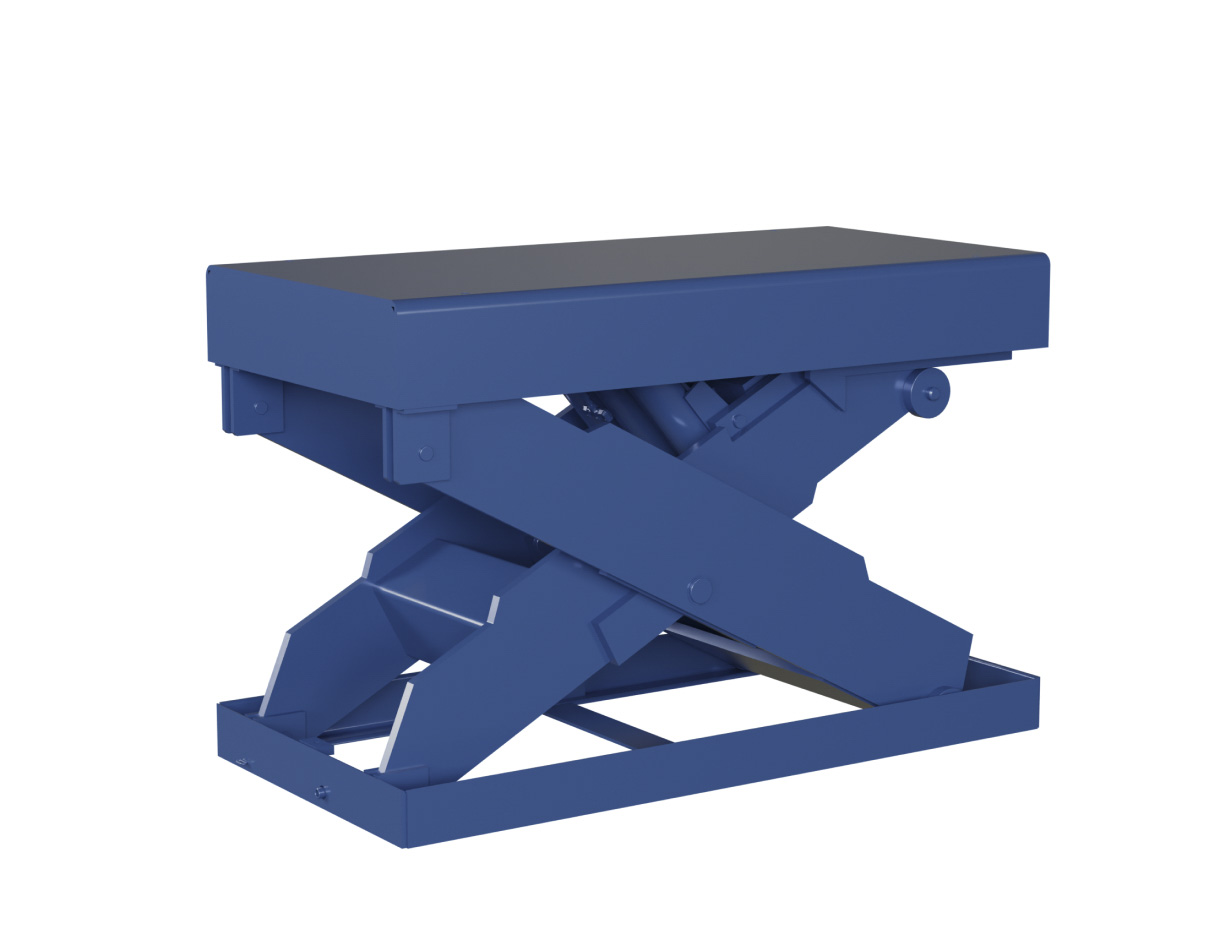
Review benefits and moving-part exposure in one layout
A material lift table can improve load presentation while introducing moving parts and transfer constraints. Observe loading, raising, work, lowering, unloading and maintenance. Identify where people stand and where hands, feet or nearby objects could enter a hazardous space. An ergonomic benefit does not establish that the complete station arrangement is suitable.
Describe actual load distribution, carriers and how goods engage and leave the deck. A table that performs correctly in isolation may conflict with a fixture, conveyor or operator route when installed. Include control position and access around the station rather than assessing only the lifting surface.
Resolve controls and maintenance support with the proposal
Ask for the actual model's protective arrangements, operating information and maintenance-support procedure. Include abnormal tasks such as clearing an obstruction or servicing raised equipment in the site's review. Do not assume that a normal production position provides an approved maintenance arrangement.
Compare candidates using the same workstation cycle, loads and interfaces. Identify site work and acceptance responsibilities and retain the configuration and instructions at handover. This helps purchasing address both the positioning improvement and new constraints, rather than treating a general safer-workplace claim as evidence for the complete installation.
| Stage | Review | Question |
|---|---|---|
| Loading | Carrier, contact and transfer method. | How does the load reach the table? |
| Work | Reach, controls, moving parts and load. | What benefits and exposures change? |
| Unloading | Destination, support and release. | Is the handoff still suitable? |
| Maintenance | Actual isolation and support instructions. | Can service be performed through the approved process? |
Review checklist
- Load and height range
- Transfer and pinch-point review
- Inspection and maintenance access
Buyer questions
Can a raised table be serviced without support?
Follow the manufacturer-specific isolation and maintenance support procedure; do not improvise around a raised mechanism.
Does an ergonomic improvement establish workstation safety?
No. Review the complete task and equipment, including transfers, moving parts, controls, access and maintenance. A useful height change can coexist with unresolved issues elsewhere. Keep the responsible assessment and equipment instructions connected rather than treating one benefit as approval of the whole arrangement.
Why must loading and unloading be included in a table safety review?
They can involve different hand positions, load shifts and interfaces from normal work at height. A useful working position does not resolve every transfer. Review carrier engagement, controls, support and release with representative goods through the actual instructions and responsible task assessment.
