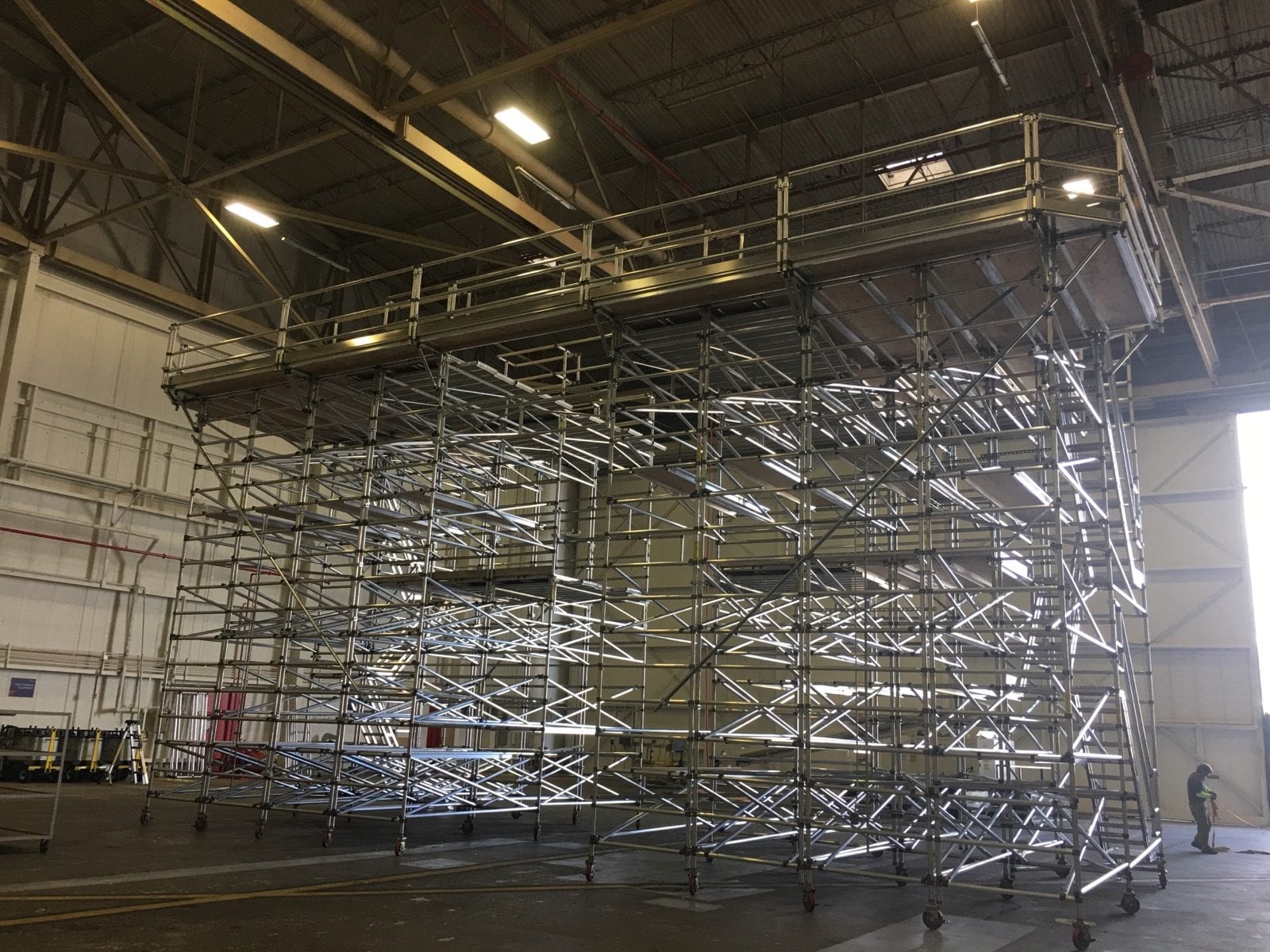
Equipment buying & work planning
Aircraft Maintenance Docking Systems: Prepare the Interface Brief
A docking system must fit the aircraft and the maintenance sequence. Begin with the aircraft variants and service configurations rather than an approximate overall size.
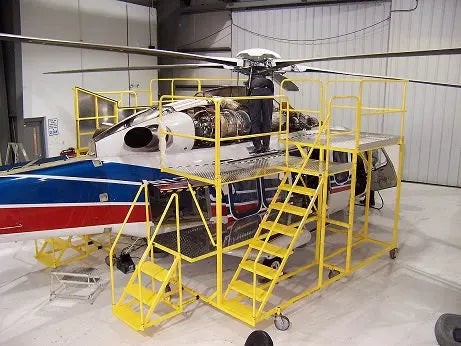
- Map aircraft tasks
Include variants and changing states.
- Review system interfaces
Show panels, parts and support.
- Plan configurations
Identify approved movements and layouts.
- Verify acceptance
Retain coverage and change responsibilities.
Prepare the interface brief from the maintenance sequence
An aircraft docking system must support the service configuration and the work around the aircraft. Identify variants and the fuselage, wing, tail or engine access required. Show open panels, removed components, work positions and changing clearances. Similar aircraft size does not establish that a docking arrangement fits another variant or maintenance state.
Map tools, components, crew access and simultaneous tasks. Include the hangar floor, positioning routes, doors, storage and adjacent ground equipment. A docking section can fit its local interface while blocking another necessary operation. Review the system as part of the complete maintenance visit.
Control configuration, approval and acceptance
Ask the proposal to identify supported aircraft-and-task combinations, adjustment, access protection and relevant site interfaces. Assign responsibility for verifying outstanding dimensions and approving drawings. Define how configurations are identified and changed so a stand position accepted for one stage is not silently used for another.
Compare equipment supply, installation, documentation and acceptance scope on the same basis. At handover, verify the actual configuration against the approved interfaces and retain the operating and inspection information. These steps reduce the risk that a docking investment delays maintenance because essential fit, sequence or site responsibilities remain unresolved.
| Area | Record | Review deliverable |
|---|---|---|
| Aircraft | Variants and service states. | Explicit application coverage and exclusions. |
| Tasks | Work points, panels and component paths. | Complete interface and sequence drawings. |
| Hangar | Routes, support and shared space. | Suitable installation and movement arrangements. |
| Control | Approved configurations and responsibilities. | Acceptance, identification and change process. |
Review checklist
- Aircraft variants and configurations
- Service and component envelopes
- Hangar and support conditions
Buyer questions
Can docking designed for one variant serve another?
Only after a documented interface review; similar aircraft appearance does not establish fit.
What should drawing approval resolve?
Aircraft interfaces, configuration changes, working clearances, support, movement and the responsibilities for site verification and acceptance.
How should docking configuration changes be controlled during maintenance?
Keep approved layouts and application limits identifiable, assign movement and inspection responsibilities and coordinate affected crews. Panels, component removal or aircraft changes can alter the interface. Do not assume an adjustable section permits any intermediate arrangement; use the reviewed system information and appropriate change process.
What should be settled before accepting a docking system?
Confirm the delivered configuration, aircraft interfaces, task coverage, support, movement and required documents against the approved scope. Identify who verifies site and fit information and how discrepancies are resolved. Acceptance should address the system and its operating arrangements rather than appearance alone.