
Equipment buying & work planning
Aircraft Maintenance Equipment: Build the Investment Case
An access-equipment purchase should support identified maintenance tasks. Compare the effect on setup, working access and equipment availability rather than assuming every new stand reduces costs.
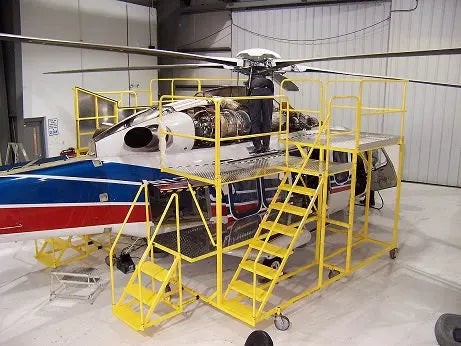
Measure the maintenance constraint before proposing equipment
An aircraft maintenance equipment investment should address a defined access or workflow problem. Record positioning, setup, inspection, tool movement and removal for representative tasks. Include conflicts between crews and verified damage or rework records where relevant. Do not count only time beside the aircraft while omitting retrieval and return.
Check the actual aircraft interfaces and configurations before assigning a productivity benefit. A stand that fits an inspection may not support a repair with more tools or component handling. List the aircraft-and-task combinations the proposal covers and retain exceptions rather than assuming a fleet-wide result from one favorable job.
Compare ownership through the maintenance schedule
Review simultaneous demand, shared equipment, adjustment, storage and inspection access. Fewer units can mean more waiting if several crews need the same stand. A dedicated arrangement may reduce setup at a recurring task, but it should be compared with alternatives using the same observed workload and fit requirements.
Include drawings, selected options, acceptance, service and support in the quotations. Keep measured benefits separate from estimates and test how demand changes the case. This gives procurement a defensible basis for investing in useful maintenance capacity instead of treating a broad efficiency claim as evidence for replacing equipment across the fleet.
Review checklist
- Task and aircraft coverage
- Measured workflow constraints
- Inspection and service costs
Buyer questions
Can a single productivity estimate justify a platform?
Use several representative tasks and verify fit; a favorable estimate for one job may not reflect normal use.
What should the investment review retain?
Keep task coverage, aircraft fit evidence, utilization assumptions, expected benefits and ownership support requirements together.
Can one favorable task justify fleet-wide equipment replacement?
Use a representative set of aircraft and tasks and verify fit for each intended application. A benefit at one service point may not transfer to other geometry or schedules. Keep the evidence, exceptions and ownership requirements visible before extending a local improvement across the fleet.
What should be measured before requesting an investment quote?
Record the task interfaces, setup and waiting causes, equipment availability and normal workload. Include tools and component handling. This gives suppliers a concrete requirement and lets purchasing compare a proposed solution with the existing method without relying on unsupported productivity percentages.