Equipment buying & work planning
Industrial Ergonomics: Measure Reach, Force and Repetition
An ergonomic equipment decision should start with observed work. Identify the movement causing difficulty before assuming a lift, cart or platform is the solution.
- Observe the full task
Include replenishment and removal.
- Identify the issue
Separate height, reach, force and repetition.
- Trial a defined change
Use representative conditions.
- Review remaining needs
Keep follow-up and ownership clear.
Observe reach, force and repetition through the complete task
An ergonomic equipment review should start with the work people perform, not a preferred device. Record handling heights, reach distances, load characteristics, frequency and tool use. Include setup, replenishment and unloading as well as the main production cycle. A short demonstration with a light item can miss the demanding part of the job.
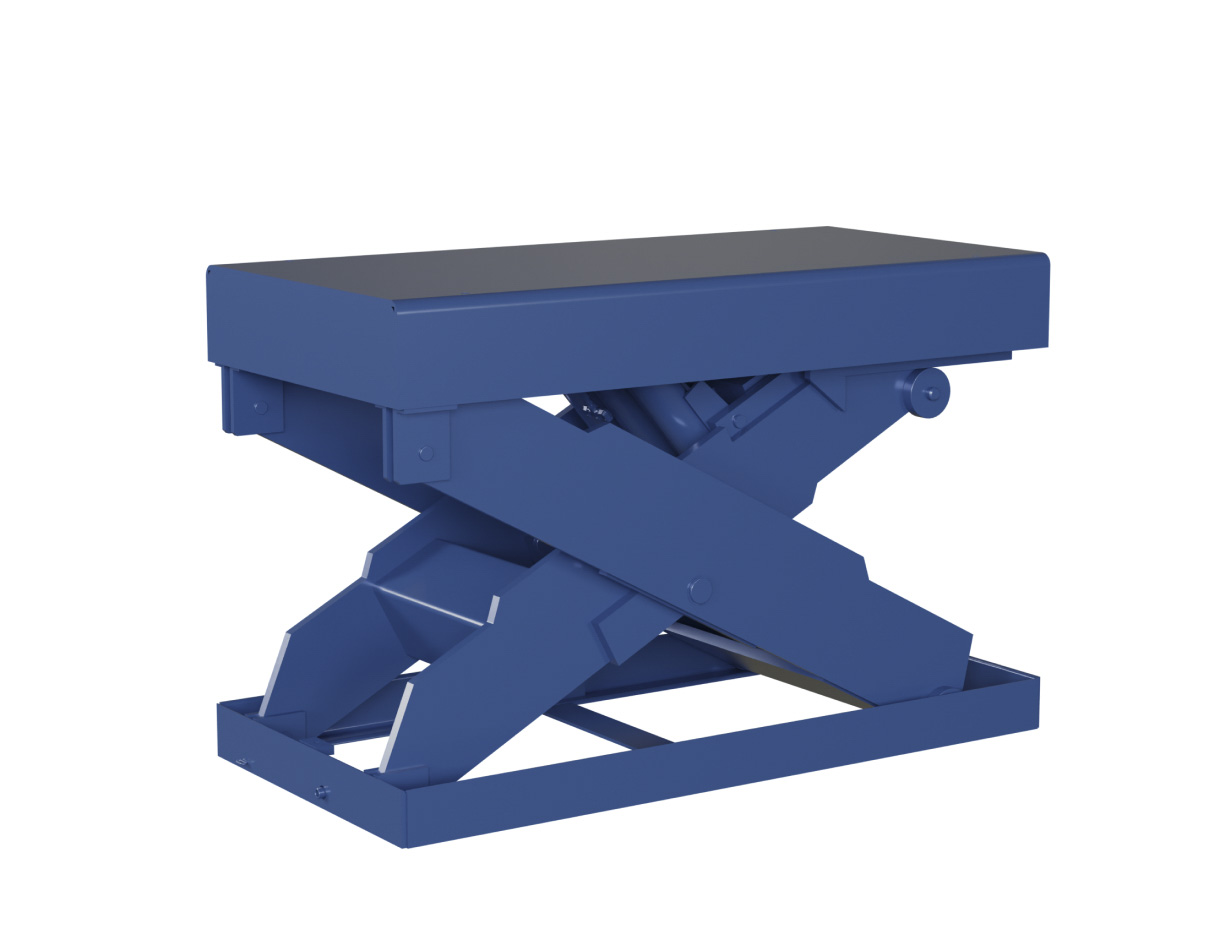
Identify whether the main issue is load presentation, access, orientation, repeated travel or another constraint. A height-adjustable table may help vertical positioning while leaving twisting or a difficult transfer unchanged. Define the intended improvement before comparing lifts, tilters, fixtures or layout changes.
Trial a defined change with representative users and products
Observe the complete cycle with the proposed arrangement. Ask users where reach, effort, visibility or control access remains difficult. Include different shifts and representative product variation. Check whether reduced effort at one point creates additional handling at the next station. Do not treat the presence of ergonomic equipment as proof of a resolved task.
Use the trial findings to write dimensions, load distribution, interfaces and required functions into the RFQ. Compare selected controls, power, cleaning and maintenance access where relevant. Keep measured outcomes and remaining issues with the business case, rather than assigning a generic injury or productivity reduction to an equipment category.
| Observation | Record | Possible review focus |
|---|---|---|
| Reach and posture | Where and how the task is performed. | Layout, working position and presentation. |
| Force | Load characteristics and operation. | Handling method and appropriate assistance. |
| Repetition | Frequency and cycle pattern. | Task organization and repeated exposure. |
| Interfaces | Replenishment, controls and removal. | Whole-cycle effects of a proposed change. |
Review checklist
- Task observations
- Representative loads
- Trial results and feedback
Buyer questions
Will a height-adjustable table solve every ergonomic issue?
No. Load orientation, reach, force and task organization may still require changes.
Should an ergonomic trial use the lightest product?
Use a representative range, including demanding tasks, so the result does not hide important handling conditions.
Which work steps are commonly missed in an ergonomic equipment review?
Include replenishment, setup, loading, removal and control access, not just the main production motion. These less frequent steps may involve greater reach or effort. Observe representative goods and conditions and keep findings with the responsible assessment so a favorable demonstration does not hide another part of the cycle.
What should users be asked during an equipment trial?
Ask about the actual task, control access, loading, reaching, effort and any new difficulty at connected steps. Gather feedback across representative products and use conditions. Combine it with observations and the responsible assessment rather than relying on a demonstration with an empty device or lightest load.