Equipment buying & work planning
Aerospace Manufacturing: Build Equipment Lists from the Process
Aerospace production equipment needs vary by part, process and quality system. Start with the work sequence rather than a generic list of factory essentials.
Specify the component and fixture together
Aerospace handling equipment must fit the part, its carrier and the production process. Record dimensions, mass, center of gravity, fixtures, transfer heights and permitted support locations. A fixture can materially change the handling envelope even when the component itself is light. Include empty fixtures and containers in the return route as well as loaded movements.
Identify process constraints such as surface protection, contamination control or traceability through the responsible team. Use those requirements to define construction and documentation, rather than assuming that equipment described as used in aerospace carries an aerospace certification or suits every part and station.
Check connected stations and acceptance evidence
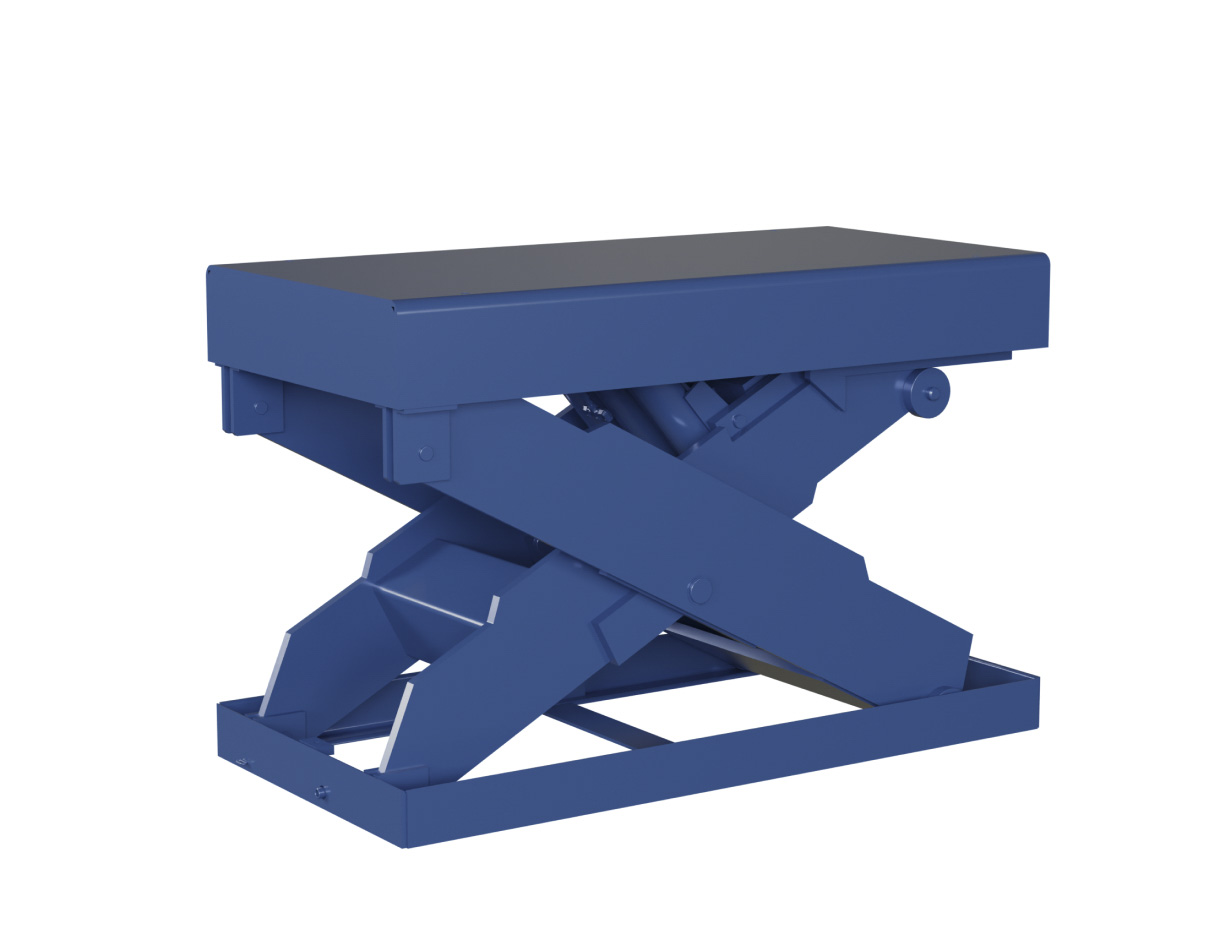
Show how carts, racks, tables and fixtures exchange the assembly. Review alignment, underside clearance, operator access and the room needed to release or remove the carrier. Capacity at one device does not establish a compatible transfer to the next. Record changes in part orientation and presentation through the complete sequence.
Ask each quotation to address the same mechanical and process requirements, including selected materials, interfaces and evidence needed at acceptance. Separate equipment supply from facility work and verification responsibilities. A clear process-based brief reduces the risk of a suitable-looking component becoming a bottleneck when it is installed within the actual manufacturing flow.
Review checklist
- Part and fixture geometry
- Handling and cleanliness controls
- Station-to-station transfers
Buyer questions
What should an aerospace handling RFQ include?
Part and fixture geometry, load information, transfer interfaces, process restrictions and required quality documentation.
Does equipment used in aerospace automatically carry aerospace certification?
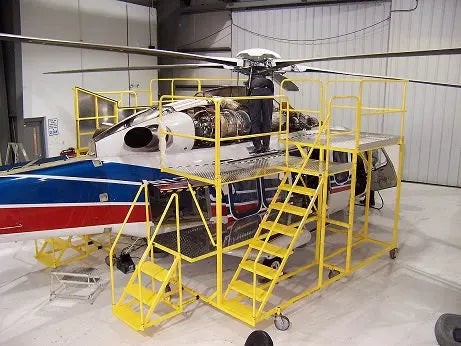
No. Verify the exact documentation required by the process and what the supplier's evidence covers. Industry use or a photograph in a hangar does not establish certification, quality-system approval or compatibility with a particular part, fixture or production station.
Why include empty fixtures and containers in the layout?
They occupy space and need return handling even when the main load has moved on. Ignoring them can create queues, congestion or extra touches. Map the complete cycle so a proposed equipment arrangement supports normal flow rather than only the loaded movement shown in a demonstration.