Equipment buying & work planning
Aerial Work Platform Types: A Practical Comparison
Access equipment differs in platform movement, reach and operating footprint. Begin with the work position and the route to it.
Distinguish vertical access from outreach
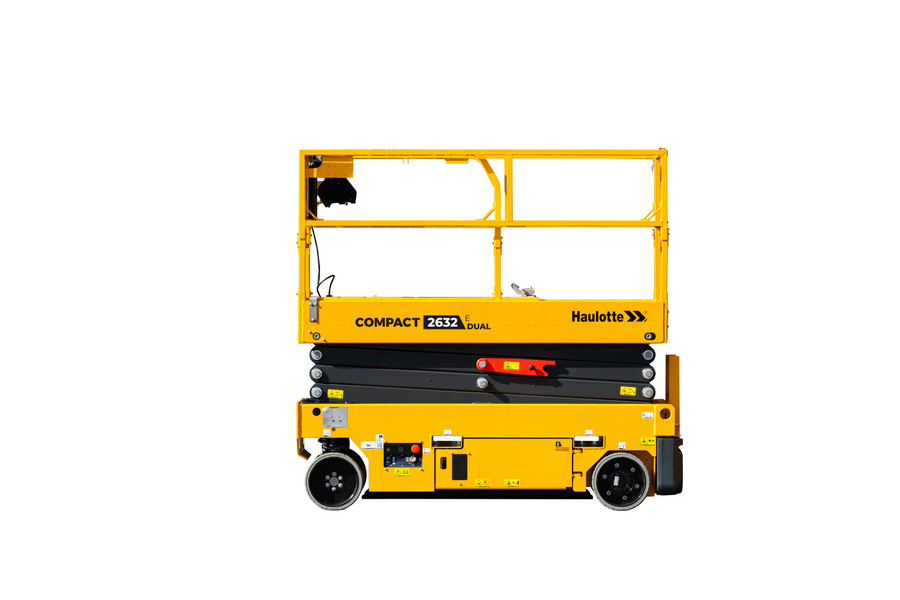
Vertical mast and scissor configurations can serve selected vertical-access tasks, while boom configurations provide different paths to work beyond obstacles. Use those broad functions to understand options, then compare actual models. A type name does not establish load, platform area, environmental suitability or all requirements applying to the machine.
Describe work position, occupants, tools and materials. Include how long the task lasts and how goods reach the platform. A compact machine may suit the route but offer insufficient working space; a larger platform may fit the job but not its setup location. Equipment types should not be treated as interchangeable because their nominal heights overlap.
Build the shortlist from measured jobs
Survey doors, turns, supporting conditions, overhead obstructions and working areas. Ask for stowed and operating dimensions and the relevant ratings for each proposed configuration. Where reach charts apply, review the required positions and load conditions rather than assembling a capability from separate maximum values.
Compare representative tasks and the daily resources needed for inspection, operation, energy and storage. Keep supported applications and exceptions documented. This turns an unfamiliar category list into a practical purchasing review and avoids assuming that one aerial platform type has the right operating method or compliance framework for every facility task.
Review checklist
- Work position
- Travel and setup dimensions
- Platform load and operating conditions
Buyer questions
What if the required task crosses several categories?
Describe the task and constraints so suitable configurations can be compared on the same measured requirements.
Are all aerial work platforms subject to identical requirements?
No. Identify the actual equipment and work context and review applicable requirements and instructions. Broad terminology should not obscure differences in controls, classification, training or protection arrangements. Use the model information and responsible site review rather than transferring rules between categories automatically.
What is the best way to compare unfamiliar equipment types?
Prepare one measured task and site brief and ask candidates to address the same positions, loads and constraints. Request explanations of configuration and limitations. Compare actual evidence and task coverage rather than choosing a type from its name, photograph or greatest advertised height.
References & further reading
Use the applicable requirements and the specific equipment instructions for your work. General references do not establish approval of a product or installation.