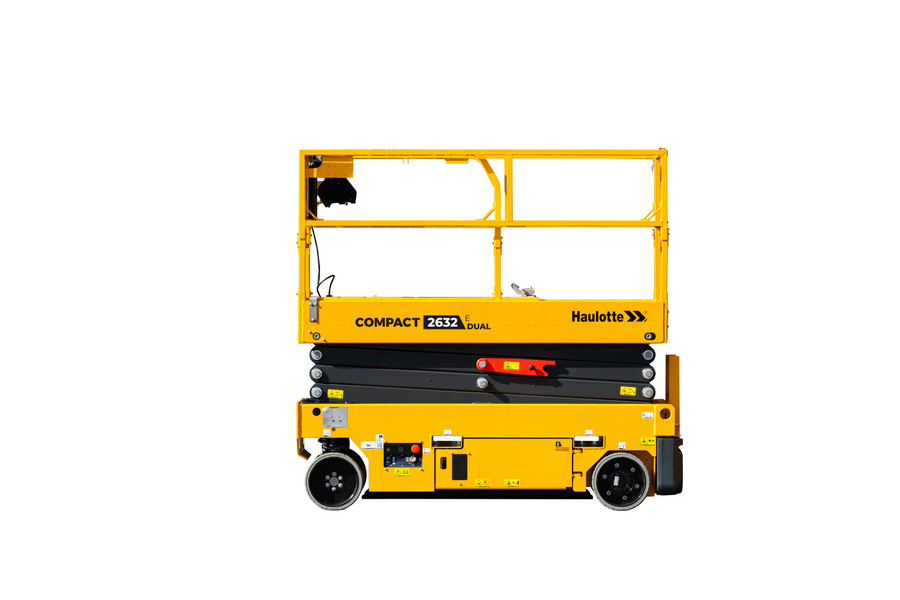
Equipment buying & work planning
Warehouse Safety Planning: Fix Recurring Conditions
A warehouse safety plan should address repeated hazards through equipment, layout and work methods. General reminders alone cannot resolve an obstructed aisle or damaged rack.

- Identify recurrence
Record when and why it happens.
- Control current conditions
Use the site's process.
- Correct the cause
Coordinate layout, equipment and workflow.
- Verify the change
Test representative operations.
Use recurrence to identify the underlying process condition
A warehouse condition that returns after housekeeping deserves a review of how the work is organized. Combine reports, near misses, worker feedback and observation under normal demand. Ask why goods, equipment or people repeatedly occupy the same space or encounter the same access problem. Repeating a reminder does not by itself resolve inadequate storage or a conflicting workflow.
Separate immediate defects from the conditions that recreate them. Use the site's process to control or escalate current hazards while the longer-term correction is developed. Record the actual location, task and affected equipment so the action is specific enough for another shift or department to understand.
Verify the correction under the conditions that caused the problem
Assign an owner, proposed change and completion check. Review layout, scheduling, equipment suitability and operating responsibilities before deciding the response is solely training or enforcement. A durable correction should remain usable during busy periods and replenish or return goods without moving the same problem to another area.
For equipment changes, provide suppliers the measured constraint and required function, then evaluate the proposed arrangement against that need. Revisit the area after implementation and record remaining exceptions. This connects purchasing with a verified operational correction rather than assuming new equipment automatically prevents recurrence.
| Step | Record | Evidence |
|---|---|---|
| Find | Specific condition and recurring circumstances. | Observation and worker reports. |
| Control | Immediate response and escalation. | Applicable site process. |
| Correct | Owner and defined physical or process change. | Action tied to the cause. |
| Verify | Representative demand and review criteria. | Resolution survives normal operation. |
Review checklist
- Evidence and site observations
- Assigned corrective action
- Follow-up review
Buyer questions
What makes a corrective action durable?
It addresses the recurring cause, has clear ownership and is checked under the conditions that previously produced the problem.
What if a problem returns after housekeeping?
Review the storage, timing, equipment and workflow recreating it. Keep the immediate control appropriate, but assign a correction addressing the recurring cause. Repeated cleanup alone may not resolve a staging or capacity issue. Check the new arrangement under the same conditions that previously produced the obstruction.
How should equipment changes be evaluated as corrective actions?
Define the actual task and constraint, then compare suitable configurations and complete workflow effects. Check acceptance and representative use after implementation. A purchase should solve a documented requirement and should not become a substitute for resolving layout, allocation or operating responsibilities that remain unchanged.