
Equipment buying & work planning
Scissor Lifts in Cold Weather: Review the Model's Limits
Cold weather affects the worksite and can affect batteries, fluids and traction. Use the manufacturer's permitted conditions to decide whether the lift is suitable for the planned work.
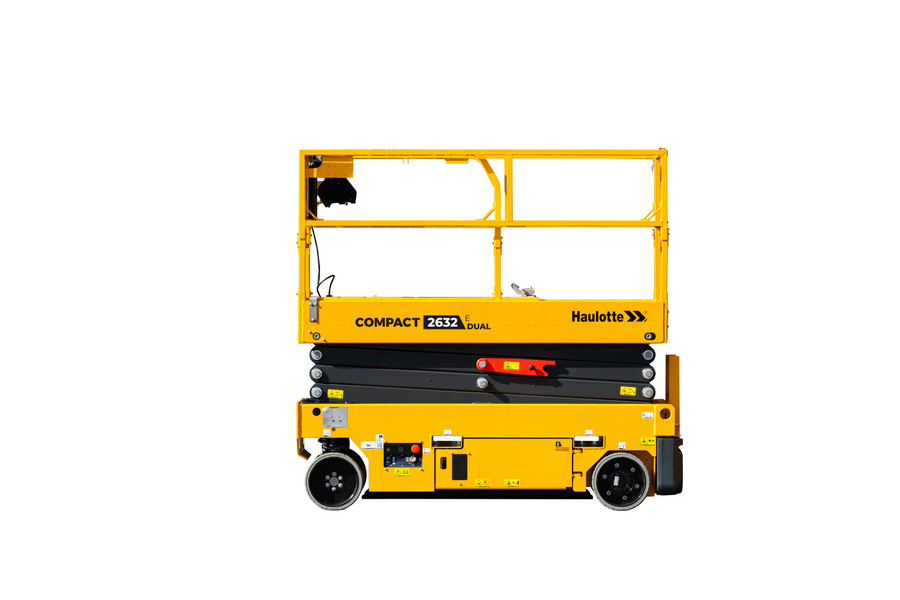
Review the environment through the whole operating period
A lift can leave warm storage and later encounter cold, wet or exposed conditions. Map the route and work area, including ice, snow, water, visibility and supporting conditions. Review the proposed model's permitted environment. Outdoor appearance or a rough-terrain description does not establish suitability for every winter surface.
Reassess when weather or nearby work changes the approved arrangement. Conditions hidden by snow, changing traction or reduced visibility can affect access and positioning. A temperature reading at startup is not a complete assessment of the shift. Include return, storage and access for appropriate assistance in the plan.
Use model-specific battery, fluid and storage requirements
Ask for the actual machine's cold-weather, charging and service instructions. Electrical power and hydraulic actuation can coexist, so a label such as electric does not describe every maintenance requirement. Do not substitute a lubricant, adopt a procedure from another lift or use an improvised heater to compensate for unsuitable conditions.
Describe the intended duty and exposure in the RFQ, including travel between buildings or work inside a chilled area. Compare the documented configuration and support requirements for that application. Keep operator preparation, inspection and emergency arrangements connected to the specific machine. This supports a usable winter work plan without promising performance outside the manufacturer's limits.
| Review | Information required | Reason to stop or clarify |
|---|---|---|
| Environment | Model limits and actual route/work conditions. | Use outside documented permitted conditions. |
| Surface | Current support, traction and concealed changes. | Ice or snow invalidating the assessed route. |
| Service | Approved charging, fluids and storage instructions. | Improvised substitutes or heating methods. |
| Work plan | Visibility, traffic and emergency arrangements. | Changed conditions not covered by the plan. |
Review checklist
- Permitted temperature range
- Surface and weather conditions
- Charging and storage instructions
Buyer questions
Can an indoor-rated lift be used outdoors briefly?
Do not assume so. Confirm the model's environmental rating and all applicable operating limits before use.
Can a different fluid solve a cold-weather problem?
Only use manufacturer-approved fluids and service methods; an improvised substitution does not establish suitability for the conditions.
Can a lift be used in cold weather for only a short time?
Duration alone does not establish suitability. Check the actual model limits and site conditions for the full operation, including travel, setup and return. Do not treat brief exposure as permission to use indoor-only equipment or bypass required service and operating instructions.
Should we select cold-weather equipment from temperature alone?
Include surface, moisture, wind or other relevant exposure, task load, route and duty. Ask for documentation applying to the exact proposed configuration. A temperature figure is useful but does not establish the complete machine's suitability or a safe work arrangement at the site.
References & further reading
Use the applicable requirements and the specific equipment instructions for your work. General references do not establish approval of a product or installation.