
Equipment buying & work planning
Buying Telescoping or Articulating Booms: Compare the Required Positions
A purchase comparison should plot the positions needed across representative jobs. The longest advertised reach is not necessarily the most useful configuration.
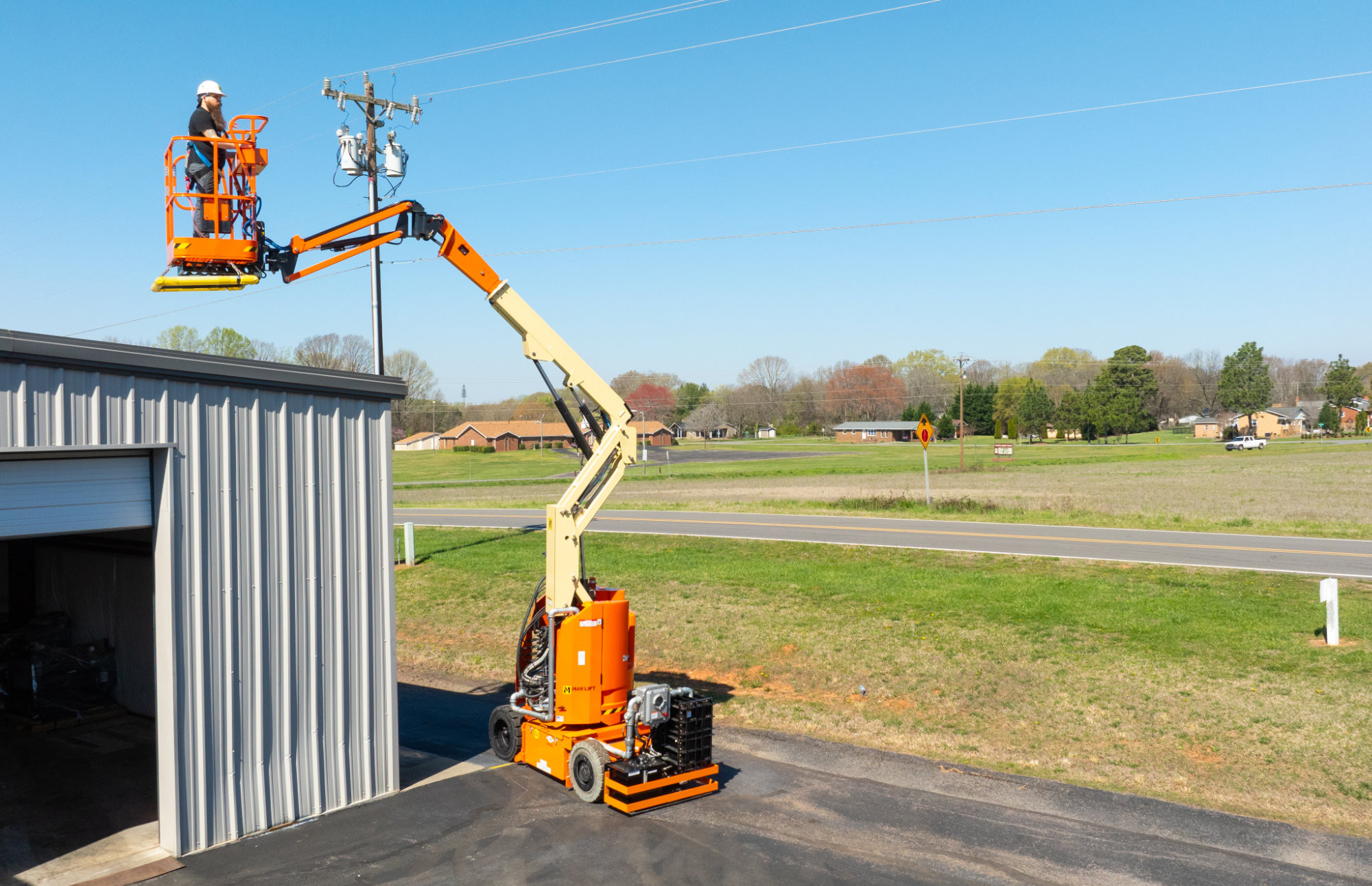
Compare required positions across the recurring workload
A boom-lift purchase should cover measured jobs, not just the most impressive height or outreach figure. Record work points, obstacles and feasible base locations for routine tasks. Include the platform load and working space. Articulating and telescoping geometries provide different paths, while the actual model's chart determines the permitted positions.
Show the movement to the work point as well as the destination. Check chassis access, rotation and supporting conditions. A platform can reach the final point while another part of the machine conflicts with a structure during approach. Keep difficult exceptions separate so one hypothetical future task does not dominate the entire purchase.
Evaluate useful coverage and ownership support
Ask proposals to identify covered, unresolved and excluded applications using the same sketches and loads. Do not combine maximum capacity, height and outreach from different chart conditions. Compare platform dimensions, selected options and restrictions that affect the intended operation rather than choosing geometry by a broad rule.
Include retrieval, repositioning, energy, training, inspection, service and storage in the business case. Document the approved task coverage and a plan for work outside it. This supports a more useful fleet decision than assuming one purchased boom should accommodate every possible future task or that additional reach always improves utilization.
Review checklist
- Representative work envelopes
- Model-specific ratings
- Operating and support costs
Buyer questions
What should the purchase comparison retain?
Keep the measured jobs, model envelopes, required loads, site constraints and any excluded applications together.
Should a boom purchase cover every possible future task?
Define realistic requirements and keep uncertain future needs separate. Compare normal coverage and plausible changes rather than buying from an undefined maximum. Different work may need another approved method, and a larger advertised envelope can introduce route or ownership compromises without adding useful everyday coverage.
Why compare the movement path as well as the final platform point?
A reachable endpoint can still involve conflict between the boom, chassis and surrounding structures during approach. Show full obstacles and setup and review the actual model's configuration. Final position alone does not establish that the complete machine can perform the required movement at the site.
References & further reading
Use the applicable requirements and the specific equipment instructions for your work. General references do not establish approval of a product or installation.