
Equipment buying & work planning
Aircraft Ramp Service Equipment: Match Equipment to the Turnaround
Ramp equipment should be selected around the aircraft and service sequence. Different aircraft and ground operations can require different interfaces.
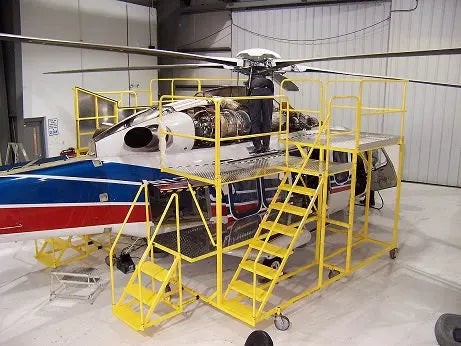
Build the equipment list from the turnaround sequence
Aircraft ramp equipment should be selected for defined tasks and aircraft interfaces. List passenger access, towing, maintenance and other service functions separately. Record aircraft variants, configurations and the work performed at each point. A broad aviation-use description does not establish compatibility with every aircraft or operation.
Map vehicle paths, equipment staging, crew access and necessary emergency routes. Include where equipment enters and leaves and how tasks overlap. A useful individual device can still obstruct another required part of the turnaround. Evaluate the arrangement through the sequence, not as isolated product positions on a plan.
Compare coverage, sharing and support
Identify which equipment is dedicated and which is shared between crews or aircraft. Record demand, positioning and retrieval time along with fit. A shared unit may reduce quantities while creating waits or conflicting movements. Keep unsupported aircraft-and-task combinations visible rather than extending equipment use by availability alone.
Request the actual model, interfaces, selected components, instructions and service information in the quotation. Clarify responsibility for site verification and acceptance. This links the procurement list to usable ramp coverage and helps prevent equipment arriving without a required adapter, access arrangement or support component for the intended operation.
Review checklist
- Aircraft and task identification
- Interface and route dimensions
- Staging and movement procedures
Buyer questions
Can equipment marketed for aviation serve every aircraft?
No. Verify the actual aircraft interface and intended use rather than relying on the industry label.
How should shared ramp equipment be allocated between crews?
Map the actual service sequence, simultaneous demand, routes and storage. Verify aircraft interfaces and task coverage before treating one unit as interchangeable across jobs. Assign positioning and movement responsibilities so a convenience for one crew does not obstruct another service or a required route.
What should a ramp equipment layout include beyond parking positions?
Show approach and removal paths, simultaneous tasks, passenger or personnel routes, ground equipment and emergency access as applicable. Include who coordinates movements. A device can fit a static position while creating a conflict during the actual service sequence.