
Equipment buying & work planning
Hydraulic vs. Traction Lifts: Clarify the Equipment Category
Hydraulic and traction systems are often compared in building elevators, while industrial tables and access equipment use other configurations. First identify which type of lifting equipment the project actually needs.
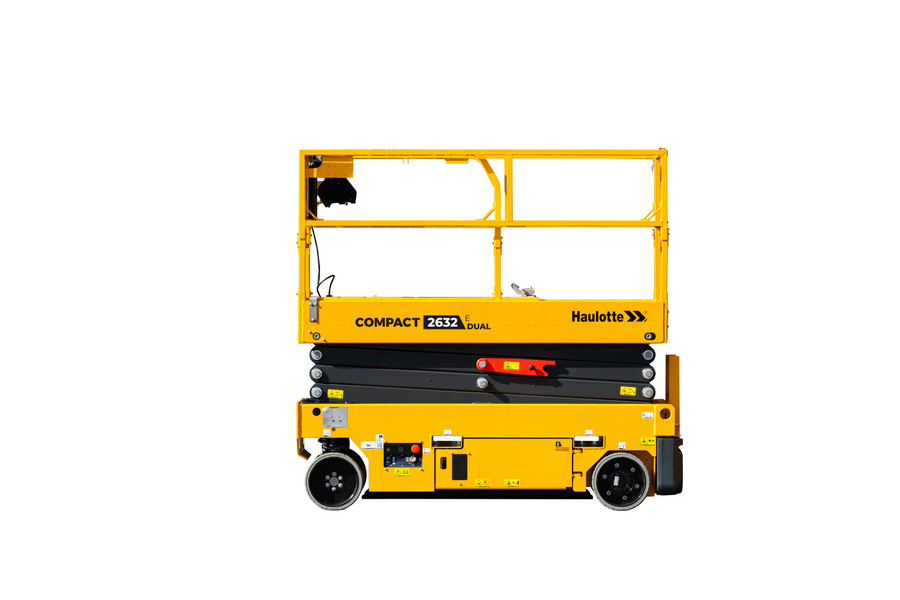
Identify the lifting application before comparing mechanisms
Hydraulic and traction systems are often compared in building elevators, while industrial lift tables and access equipment use different configurations. State whether the project moves people, goods or a workstation load and whether the installation forms part of a building. Do not transfer an elevator comparison directly to a mobile or stationary industrial table.
Describe travel, capacity, load presentation, location and operating duty. Ask the supplier to identify the complete system, not just its drive label. Installation, controls, supporting structure, service access and applicable requirements can differ substantially between applications that all involve raising a load.
Compare operating data for the actual proposed system
Request power, installation and maintenance information under the intended work pattern. Avoid a universal claim that one mechanism is more efficient, cheaper or preferable. A comparison needs equivalent duty and scope; an idle consumption figure or a broad equipment description cannot establish the ownership result for a different installation.
Resolve unfamiliar terminology before comparing quotations. Keep the intended function and interfaces at the top of the specification and ask each proposal to explain its configuration and exclusions. This helps purchasing avoid a technically misleading choice between terms that may describe equipment designed for entirely different jobs.
Review checklist
- Equipment and load type
- Required travel and installation
- Applicable documentation
Buyer questions
Are hydraulic lifts always preferable?
No. Suitability depends on the complete application and design; the drive label alone cannot determine the choice.
Why should building elevators and industrial lift tables be specified separately?
They have different intended functions, interfaces and installation contexts. Identify people or goods, travel, loads and applicable project requirements before comparing mechanisms. A general elevator-drive discussion should not determine workstation equipment, and an industrial catalog device should not substitute for an appropriately designed building system.
How should confusing supplier terminology be handled?
Ask the proposal to name the equipment type, energy source, actuation, intended use and rated configuration explicitly. Keep those definitions with the requirements. This prevents a familiar term from hiding a different system or creating an unsupported comparison between unrelated equipment.
