Equipment buying & work planning
Aerial Lift Safety for Construction: Ten Planning Questions
Construction sites change as work progresses. A lift plan should be reviewed against the current location rather than reused without checking.
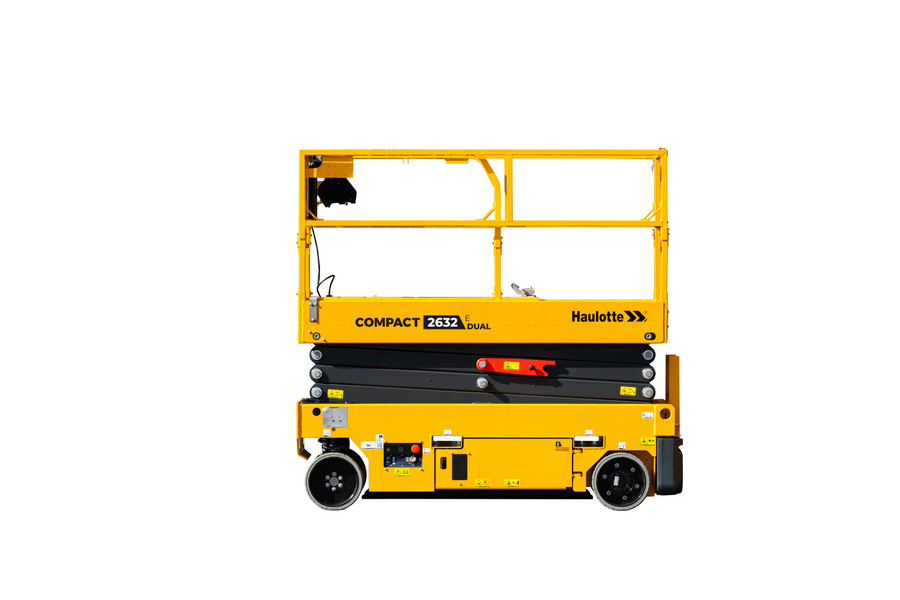
- Identify the assignment
Use actual model and task.
- Review current conditions
Include other trades and obstacles.
- Confirm controls
Keep load and envelope within limits.
- Reassess changes
Maintain communication and response access.
Make ten planning questions specific to the current work
Review equipment suitability, operator preparation, inspection, supporting conditions, travel access, overhead hazards, nearby traffic, platform load, protective arrangements and emergency response. Each question should refer to the actual machine, location and task. A generic checklist organizes preparation but does not establish that a changed operation is covered by yesterday's answers.
Survey the whole travel, setup and elevated movement envelope. Materials, excavations, temporary structures and other trades can alter it during the project. A route clear during initial planning may be obstructed at use. Identify who controls conflicting activity and how current conditions are communicated to the operator.
Prepare reassessment and usable response arrangements
Define how defects, changed loads and new work positions are reported and reviewed. Do not compensate for unsuitable reach with unapproved additions or transfers. Keep model-specific instructions and access for assigned support available as the work progresses. A general guide cannot provide the operating or rescue sequence for every machine and site.
If another trade introduces a structure near the platform path, review clearance for the complete machine before resuming affected work. Record the revised arrangement and responsibilities. For equipment selection, use these actual conditions in the RFQ rather than treating a nominal height or general construction-use claim as sufficient evidence of task fit.
| Topic | Record | Recheck when |
|---|---|---|
| Equipment | Model, limits and inspection. | Machine or configuration changes. |
| Task | Position, load and intended operation. | Tools, materials or required reach change. |
| Site | Support, route, overhead and shared activity. | Construction alters the operating area. |
| Response | Communication and model-specific arrangements. | Access or support resources change. |
Review checklist
- Current site and route
- Model-specific operating limits
- Communication and rescue arrangements
Buyer questions
Can yesterday's site review cover today's work?
Only if conditions remain suitable; changing construction activity requires reassessment.
How can different tools or materials change a construction lift task?
They can change load, platform space, handling and the required working position even at the same elevation. Review the actual model conditions and site arrangement for the changed task. Do not carry the original assignment forward solely because the work remains in the same area.
What makes a construction lift briefing useful to operators?
Identify the actual machine, task, platform load, base, route, current hazards, controls and response arrangements. Explain changes and stop-and-review conditions. This connects general training with the operation being assigned and avoids relying on an abstract checklist unrelated to the current site.
References & further reading
Use the applicable requirements and the specific equipment instructions for your work. General references do not establish approval of a product or installation.